As published in

At a moment when Europe is being forced to rethink not only its economic model but its approach to energy, industry, security and resilience, Poland stands as one of the continent’s most consequential nations. For decades perceived through the lens of convergence – a fast-growing Central European economy catching up with Western Europe – that narrative is now outdated, with Poland emerging as a strategic anchor of Europe’s future. In an era defined by international conflict, the reconfiguration of global supply chains, intensifying geopolitical competition and a growing need for democratic alliances, Poland is uniquely well equipped to meet the moment.
The nation’s economy now exceeds $1 trillion – a symbolic and structural milestone achieved in 2025 that marks one of the world’s most successful economic transformations. Few countries globally have demonstrated the sustained growth and resilience seen in Poland over the past three decades. “We have achieved this success thanks to our own entrepreneurship, courage and creativity,” Prime Minister Donald Tusk said in May, noting that the average Polish citizen is three times wealthier than in 1989.
Equally key is Poland’s close partnership with Germany – one that has been mutually beneficial. In 1990, German exports to Poland amounted to only a few billion euros; in 2025, that figure reached €96.9 billion, up 6.5% year on year. In the same period, total bilateral trade with Germany reached €180 billion, on the back of record growth in the first half of the year – making Poland Germany’s fifth-largest trading partner and closing the gap on France in fourth. “Our relations with Germany are exceptionally good,” Tusk said at a December 2025 summit with German Chancellor Friedrich Merz in Berlin. In his remarks that followed, Merz hailed the two countries as “indispensable partners.”
Poland’s ascendancy is more than a story of trade and GDP growth, however. As Europe debates how to remain competitive in the global arena, Poland is central to the answers – simultaneously strengthening industrial production, investing in energy transition, modernising infrastructure, expanding logistics capabilities and reinforcing technology and defence ecosystems at an unprecedented pace.
That reflects a country standing at the intersection of the priorities shaping the new global economy: the restructuring of European energy systems, NATO’s expanding eastern flank, the continent’s reindustrialisation drive, the race for technological sovereignty and the urgent diversification of trade corridors. Poland’s influence in all these spheres is why the country holds relevance not only for investors, but for policymakers, industrial leaders and political strategists across the world.
All of that is underpinned by a society shaped by resilience, solidarity and an enduring understanding of the value of freedom. These dimensions carry particular significance at a time when countries worldwide are confronting polarisation, political uncertainty and questions around identity and cohesion.
Europe, in particular, is facing a defining challenge: how to balance economic openness with strategic security; innovation with social stability; national identity with transnational cooperation; competitiveness with democratic values. Poland’s experience in navigating these tensions, while maintaining growth, stability and sovereignty, offers a roadmap. “We must always firmly and relentlessly defend the values that make us human in the deepest sense of the word,” Tusk said in his speech at the Impact’26 conference in Poznań. That civilisational dimension may ultimately be one of the country’s greatest strategic assets.
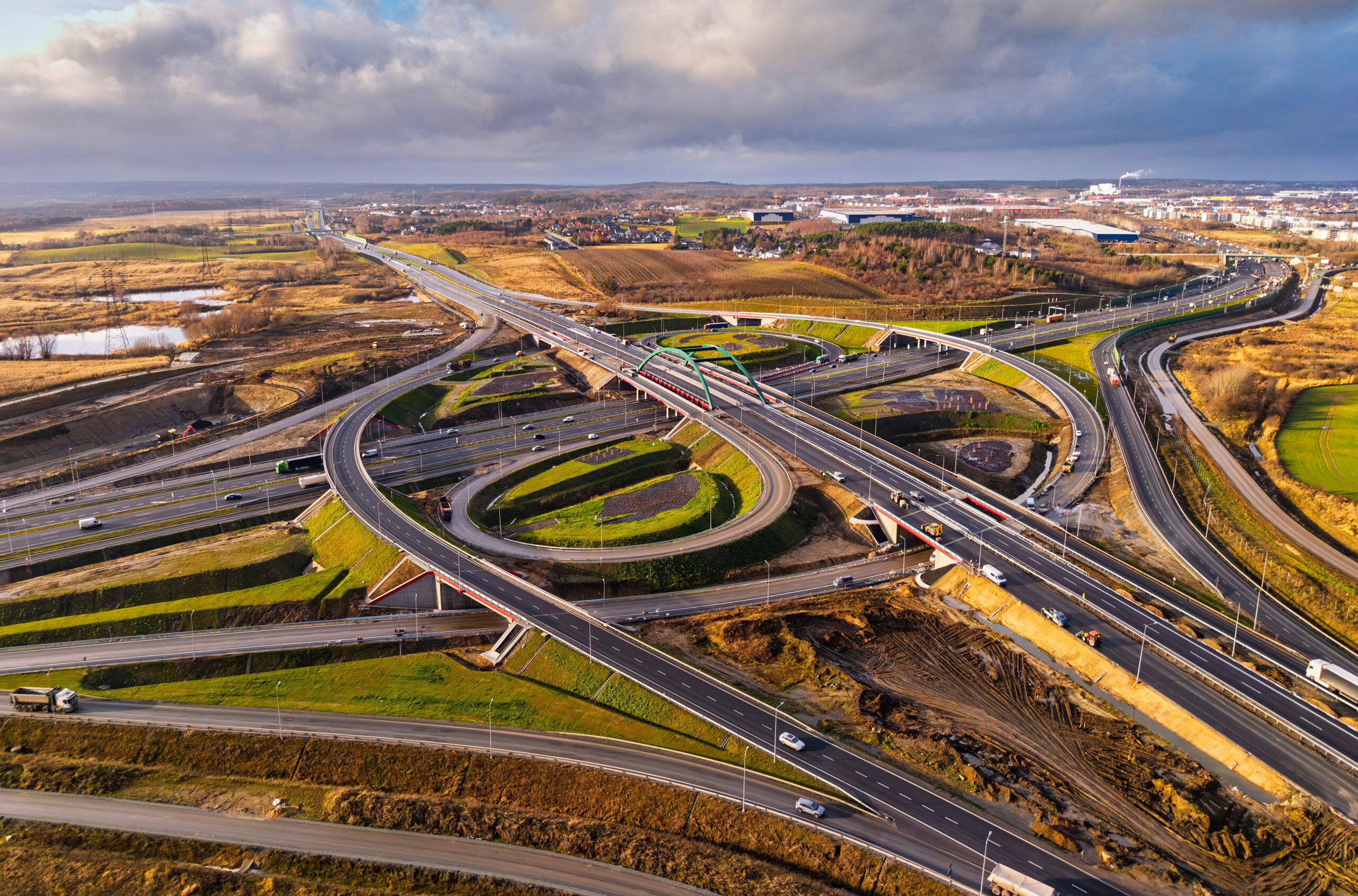
Poland’s future is defined not only by where it has come from but by where it is heading. As a G20 economy and key member of NATO, the country carries heightened geopolitical influence. As a logistics and infrastructure gateway bridging Western and Eastern Europe, it is positioned at the centre of the continent’s reindustrialisation. And as a rising force in technology and defence, it is actively shaping the industries that will define the coming decade.
That ambition is built, in part, on the success of its education system. Poland produces one of the largest pools of engineering and scientific talent in Europe, its universities underpinning the emergence of innovative companies across advanced manufacturing, deep technology, cybersecurity, AI, biotechnology, logistics and digital infrastructure. The country is home to a growing number of globally competitive success stories such as InPost, which demonstrate Poland’s capacity not only to scale innovation but to build world-class companies from within.
Meanwhile, companies such as NanoGroup and CTHINGS.CO reflect a new generation of Polish enterprises that are cementing its position as a technology and innovation hub. At a time when governments and enterprises are increasingly concerned about cybersecurity, infrastructure resilience and control over sensitive data, CTHINGS.CO has developed software capable of operating independently from major hyperscalers such as AWS, Google Cloud or Microsoft Azure – allowing clients to deploy systems on private infrastructure or dedicated servers, with full control over where data is stored. In an era shaped by the Cyber Resilience Act, NIS2 and tightening data sovereignty requirements, that capability represents a tangible competitive advantage.
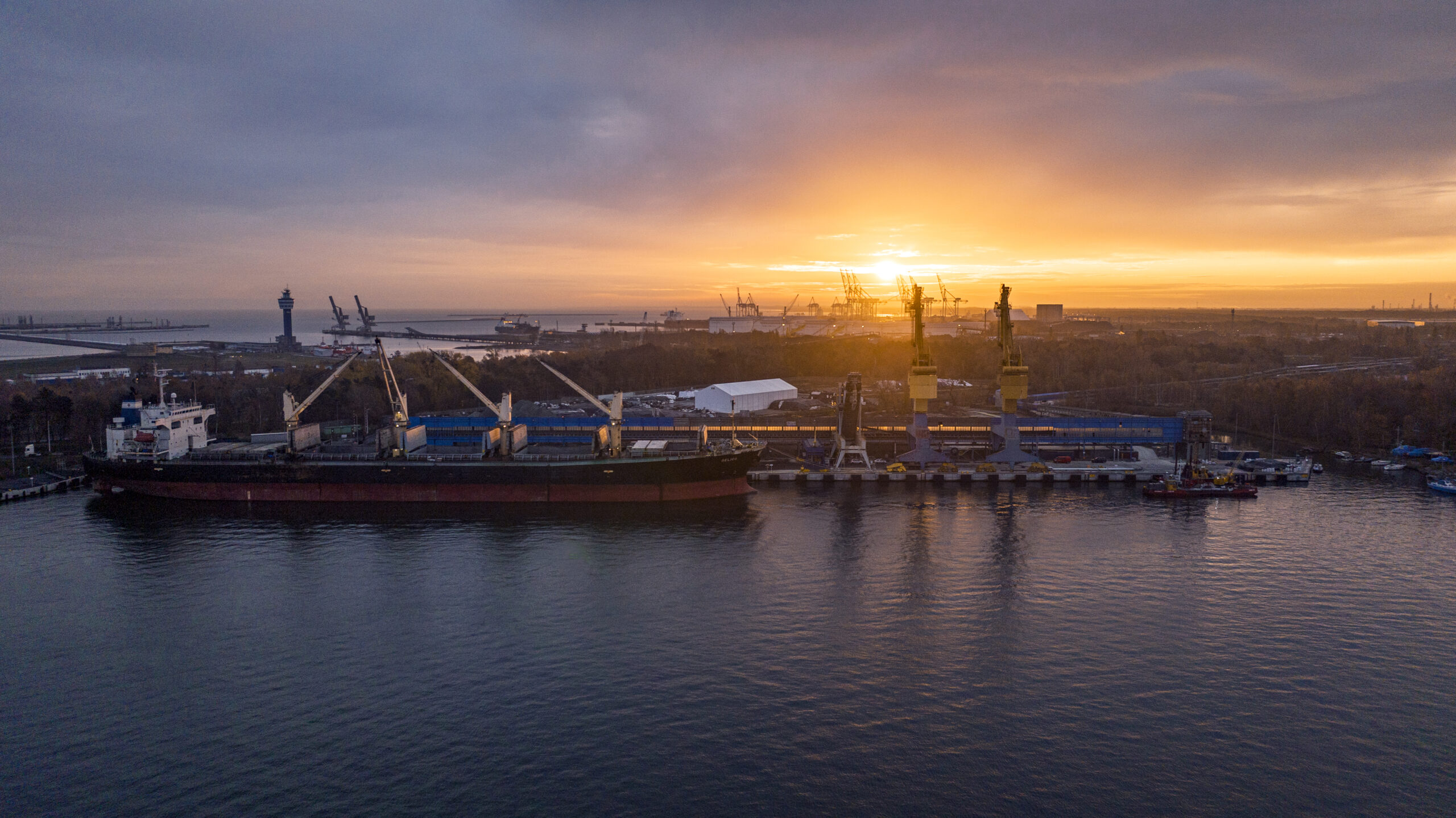
Beyond its economic and technological strides, Poland has undergone an equally significant leap in geopolitical standing. The conflict in Ukraine has transformed the country into one of Europe’s principal logistical, humanitarian, military and diplomatic hubs, and the key gateway connecting Western Europe to Eastern Europe and the broader transatlantic alliance. That positioning has accelerated investment across transport infrastructure, ports, rail connectivity, energy and defence, while elevating the importance of key strategic assets.
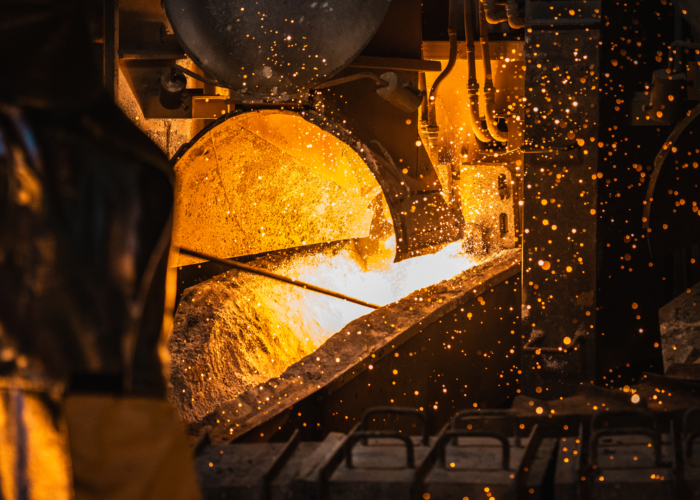
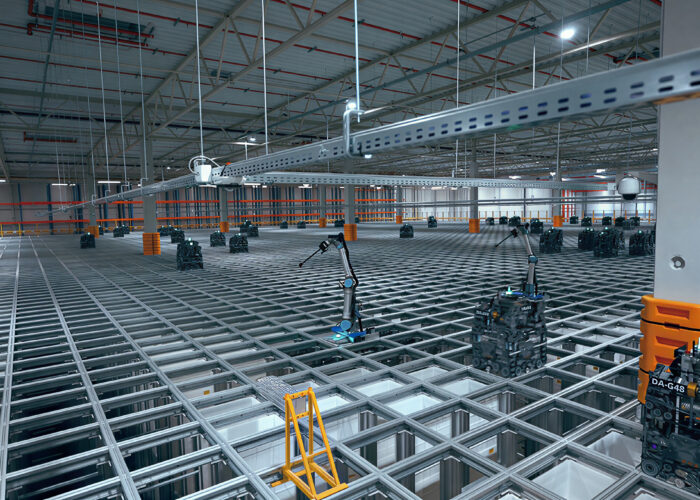
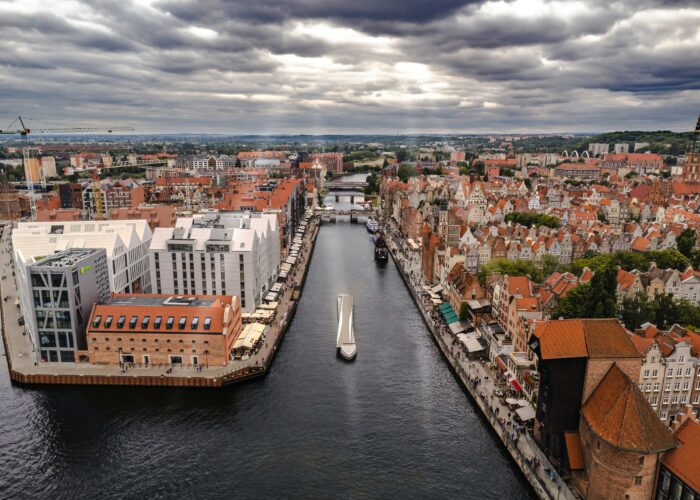
The Port of Gdańsk, for example, has become a critical gateway for logistics and energy, while firms such as Raben Group have become increasingly important to the continental logistics ecosystem. Similarly, copper producer KGHM Polska Miedź has seen its significance grow as a key supplier of the raw materials essential for electrification and industrial transformation. Meanwhile, Poland’s nascent nuclear ambitions, led by Polskie Elektrownie Jądrowe, represent a commitment to long-term energy security.
Poland today demonstrates that sovereignty and cooperation can coexist successfully. No longer a simple beneficiary of integration, Poland is increasingly influential – a country whose economic weight, geographic position, democratic institutions and industrial ambition are shaping the future of the European project.