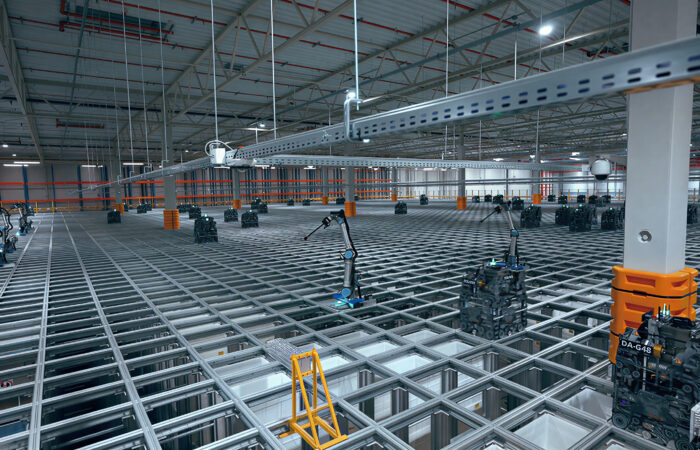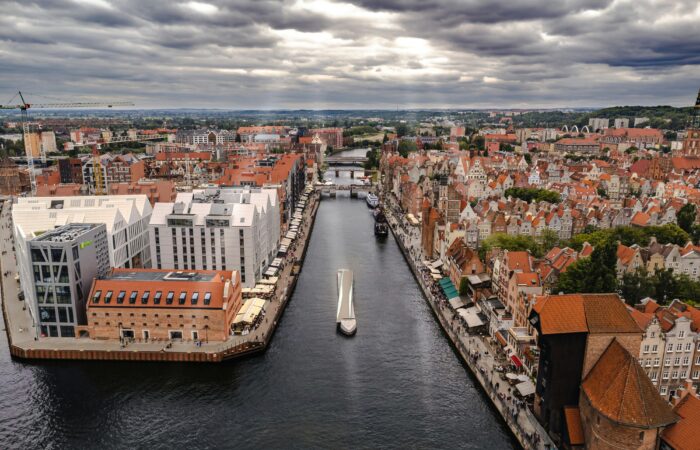
Poland’s increasingly prominent role in European logistics is driven by geography, investment and German business ties.
Poland’s geography has always made it a natural crossroads. Positioned at the centre of the European continent, sharing borders with Germany to the west and connecting to the Baltic states and Ukraine to the east, it sits on the primary corridors linking Eastern and Western Europe. Transport, logistics and shipping already account for 6% of Poland’s GDP, and that structural advantage is now being reinforced by a public infrastructure programme on a historic scale.
The data reflects Poland’s standing in the sector. The country is the fifth-largest warehouse market in Europe, with total modern logistics and industrial stock exceeding 36 million square metres in 2025. Total leasing activity reached 6.7 million square metres in the period, the third-highest figure in the market’s history, and the freight and logistics market is forecast to grow from around €48 billion in 2025 to over €56 billion by 2031.
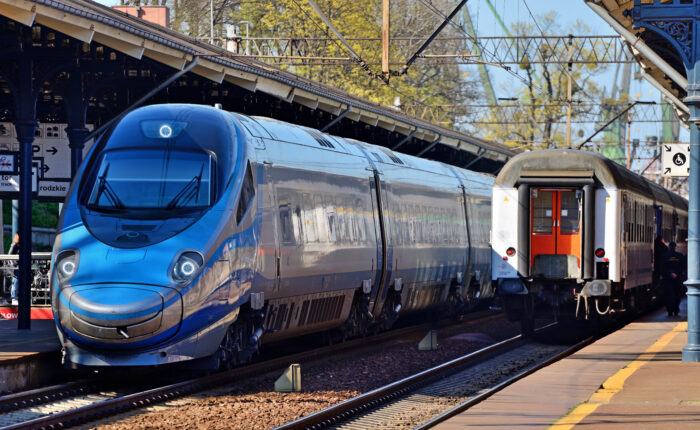
At the heart of Poland’s infrastructure investment is Port Polska. Developed by Centralny Port Komunikacyjny, it combines a new greenfield airport between Warsaw and Łódź, designed to handle 34 to 44 million passengers annually on opening in 2032, with a high-speed rail network and a dedicated Cargo City – an integrated logistics hub combining cargo infrastructure, a special economic zone and a Free Customs Area. Terminal construction began in 2026, and tenders worth approximately €9.3 billion were announced in April. The full programme, including the Y-line high-speed rail network connecting Warsaw, Łódź, Wrocław and Poznań, represents the largest railway expansion in Poland’s history, and one of the largest infrastructure investments in Central European history.
Rail and ports are similarly crucial areas of focus, and the country is investing heavily in both. The government has committed €3.3 billion to rail infrastructure in 2026 and a further €2.5 billion through the National Recovery Plan for the modernisation of 800 kilometres of lines, with new railway links and container terminals forming a central part of the port development plan. “Our ports currently handle 90% of the country’s exports and imports. By 2030, we plan to triple their cargo capacity,” Prime Minister Donald Tusk announced in 2025.
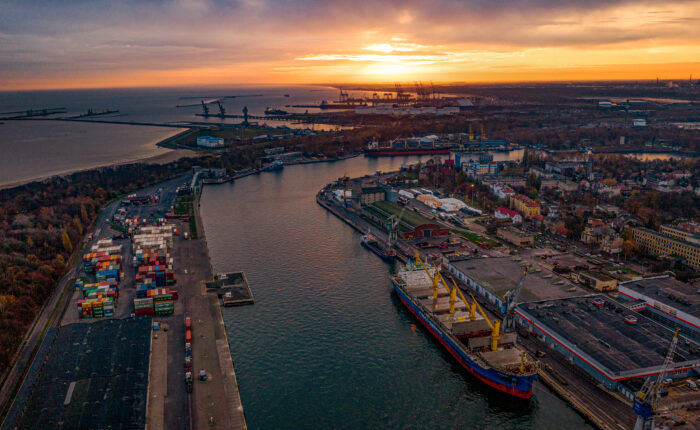
The Port of Gdańsk – already one of the Baltic’s busiest – is central to that ambition. The facility handled 80.4 million tonnes of cargo in 2025, which saw it rise three places to become Europe’s sixth-largest port – the largest single-year jump among major competitors. “Poland – and the port of Gdańsk in particular – offers a secure, stable and well-regulated environment for logistics and industrial operations in a part of Europe where that stability is increasingly valued,” says Port of Gdańsk President Dorota Pyć.
The private sector has grown in parallel, driven by Poland’s proximity to Germany and strong trade and commercial links. Poland is Europe’s leader in cabotage and cross-trade transport, accounting for almost two-thirds of all cabotage carried out in Germany in 2024, according to Eurostat, and nearly 44% of all freight cabotage across the EU. Nearshoring is accelerating that position further: a strategic reassessment of supply chains by Western European companies, particularly those based in Germany, is directing investment into Polish logistics facilities at a growing pace, with Polish companies scaling to meet that demand.
The confluence of public investment, private sector scale and a geopolitical context that has elevated Poland’s role as a continental logistics corridor makes the sector one of the country’s most strategically significant. Few areas better combine Poland’s structural advantages with its long-term ambition – or offer such significant opportunities for international partners.
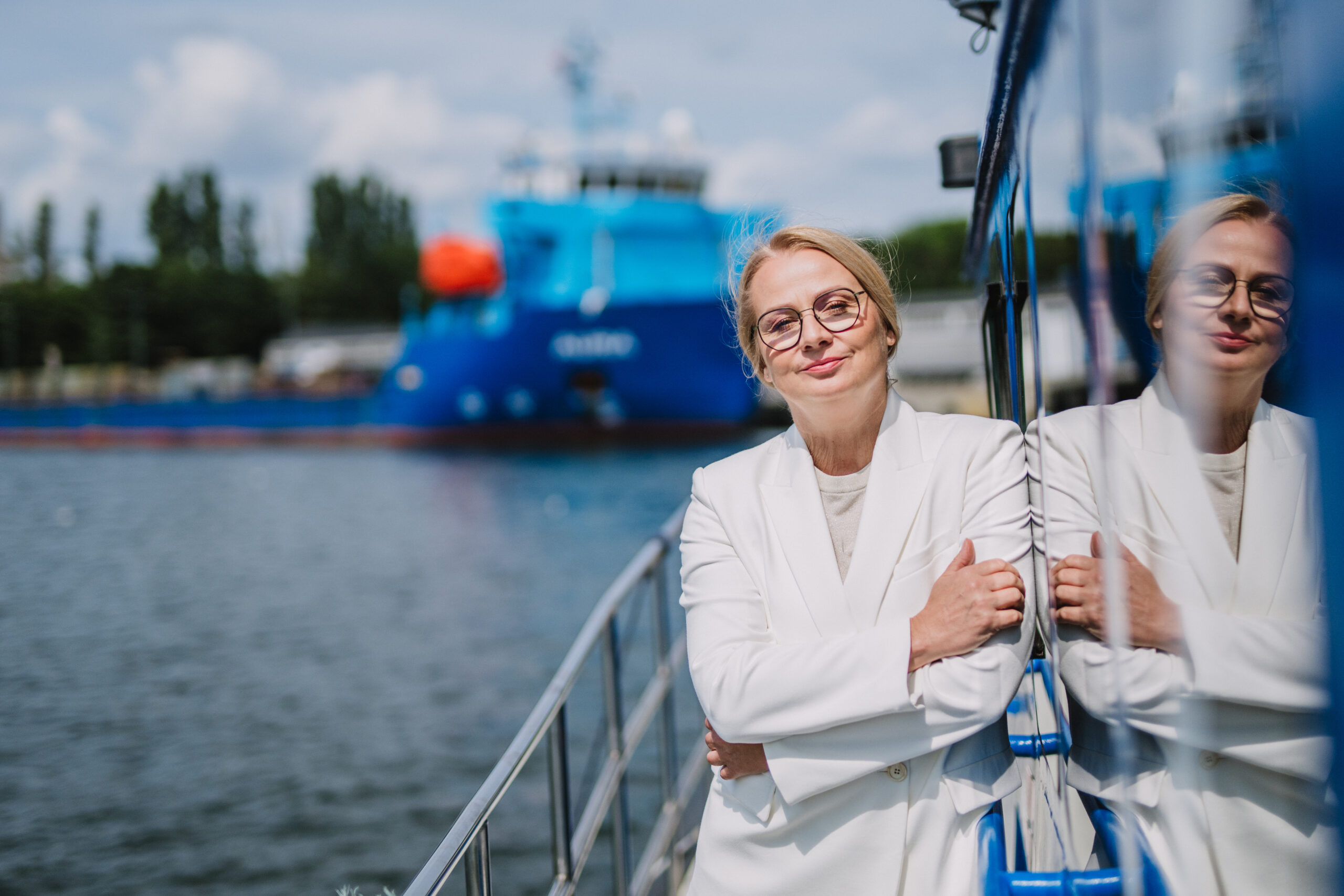
Poland’s largest seaport has become a strategic asset for European logistics, energy security and the Baltic economy.
As the Port of Gdańsk continues to rise in both domestic and international prominence, its president, Dorota Pyć, has built her strategy on three pillars: infrastructure investment, with a focus on transshipment capacity and road and rail connections, process digitalisation and sustainable development.
Investing in hinterland connectivity supports growth in key segments such as liquid fuels – Gdańsk’s largest category – and container transshipment – up 23% year on year – reinforcing the port’s role in energy security and as a gateway to Central and Eastern European markets. “A seaport is not simply a commercial enterprise. It is a common good,” says Pyć.