As published in

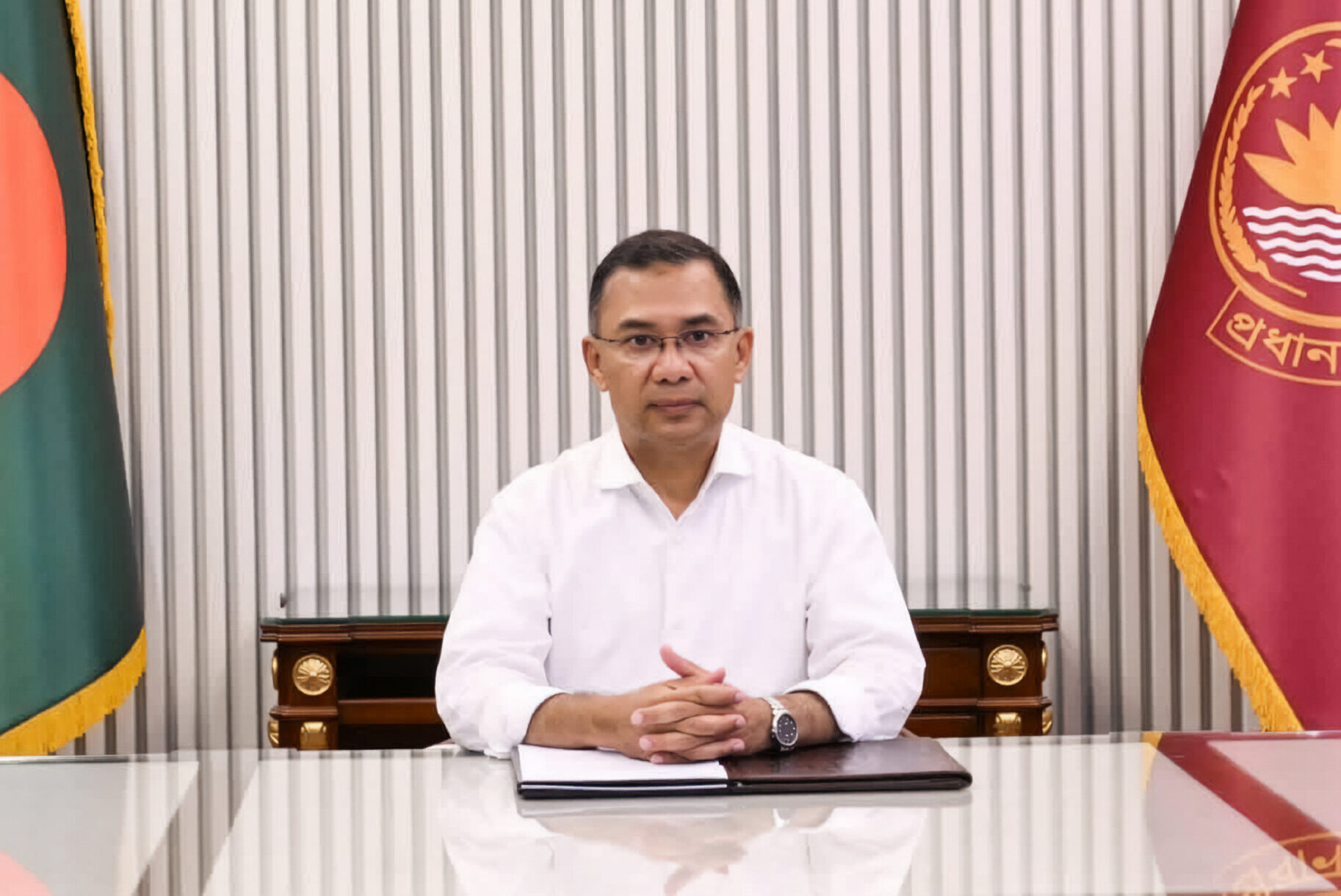
Elections in February 2026 marked the start of a new era for Bangladesh, as the country moved from interim administration to an elected government with a renewed policy mandate. In his first address to the nation, Prime Minister Tarique Rahman set out priorities centred on economic revival, depoliticising institutions and the rule of law, while also pledging equal rights for all citizens and greater inclusivity. “We have to ensure good governance,” Rahman said. “We want to have an economy where everyone, based on their qualifications and merit, can do business, trade and thrive.”
That encapsulates Rahman’s wider message that the next stage of development will depend on expanding opportunity and creating a more competitive business environment. Prior to the election, Rahman set a target of creating 10 million new jobs through comprehensive reforms in banking, insurance and capital markets, increased domestic and foreign investment and revitalised regional economies. “Key sectors have been identified, and specific strategies have been formulated to create new employment opportunities,” he said. In conjunction with initiatives to support growth in areas ranging from traditional products to content creation, it signals an administration seeking to use its political momentum to engineer a broader economic reset.

The government’s agenda also speaks to the priorities of Bangladesh’s business sector. Grameenphone is the country’s largest telecoms operator, serving 86 million customers, and its largest foreign investor. As the company engages in a comprehensive transformation programme, CEO Yasir Azman emphasises that a stable regulatory environment is crucial to long-term confidence. “We have rebuilt the organisation to be more forward-leaning and digital-centric,” he says. “That transformation requires belief in the country, society and the regulatory environment. We believe in Bangladesh and its potential, and our long-term commitment is forward-looking.”
As a reform-led agenda takes shape, Bangladesh is also putting greater emphasis on its international economic relationships. The UAE is already a key partner and significant investor, particularly across energy, ports and infrastructure. In February 2025, the Dubai-Bangladesh Business Forum highlighted bilateral trade of around $2 billion in FY2024 – a figure the UAE has previously targeted to reach $10 billion by 2030. In February 2026, UAE Ambassador to Bangladesh Abdulla Ali AlHmoudi reaffirmed the growing strategic partnership between the two countries, following discussions centred on accelerating talks on a Comprehensive Economic Partnership Agreement.
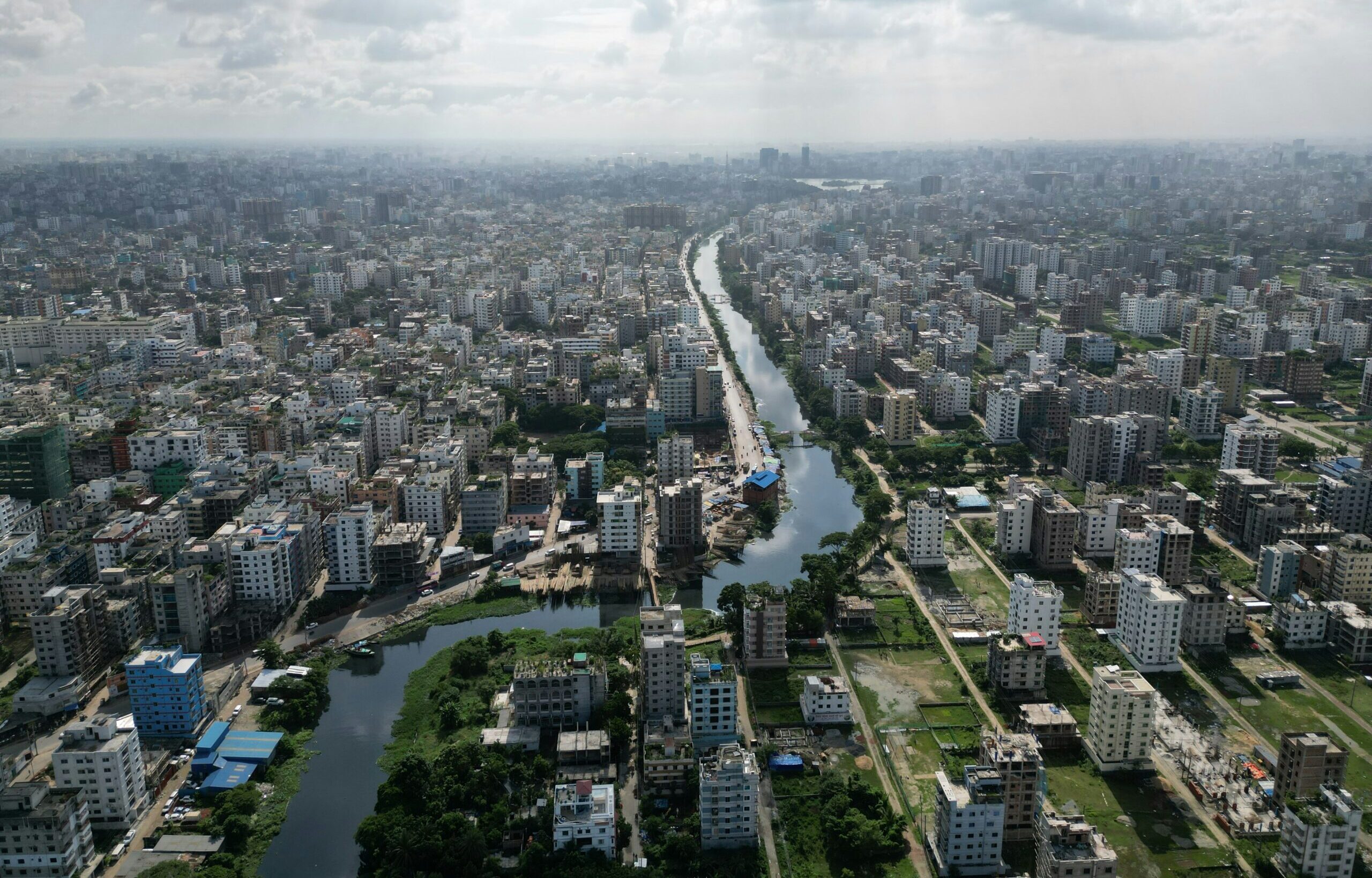
That fits a broader shift in how Bangladesh is positioning itself within regional and global markets. With its traditional strengths in export-led manufacturing, the country is increasingly seeking to build momentum in higher-value segments including logistics, energy, infrastructure and digital services. Upgrades in transport connectivity and urban infrastructure, together with a large and youthful workforce, are pillars of efforts to diversify the economy.
That mix of traditional strengths and new entry points is reshaping how Bangladesh presents itself to international partners. The emphasis is now on execution, as policymakers look to turn rhetoric into results. In a country combining market scale with a renewed economic roadmap and growing external engagement, the next chapter is set to be defined by success in mobilising those strengths. “Bangladesh is at an inflection point,” says Azman. “It is no longer only about potential, but increasingly about value creation.”
Bangladesh’s prime minister aims to turn stabilisation into growth, prioritising investor appeal.
Prime Minister Tarique Rahman has made streamlining entry for investors a national priority. In May he directed senior officials to simplify the approval process for investment projects, while pushing to increase loans to facilitate private investment in government factories. That aligns with his previously outlined strategy to attract higher levels of local and international capital. “We will pursue prudent deregulation, improve the ease of doing business and foster a competitive environment that attracts responsible investment,” he said in March. “Our goal is to unlock the full potential of our people and the private sector.”
The International Monetary Fund’s (IMF) April 2026 report on Bangladesh points to both the challenges and long-term appeal of one of South Asia’s largest economies. The IMF estimates Bangladesh’s GDP at $511 billion – ranking second in the region, behind India – with growth forecast to reach 4.7% in financial year 2026. That outlook comes against a backdrop of moderating inflation, rising foreign-exchange reserves and a reform agenda aimed at improving transparency, competition and private-sector participation.
Net foreign direct investment rose 39% in 2025 to $1.77 billion but was largely driven by activity from existing overseas firms. The government aims to build on that figure by drawing new investment across a broader range of sectors. Textiles and garments remain the dominant destination, but pharmaceuticals, telecommunications and the digital economy are all areas of growing interest internationally.
With opportunities arising across the economy, renewable energy is an area of particular focus. Trailing its neighbours in renewables adoption, the Merchant Power Policy opens Bangladesh’s energy supply to the private sector through corporate power purchase agreements, while a rooftop solar programme targeting 3,000MW of new capacity and a new PPP framework opening public land to large-scale solar projects aim to significantly boost generation. With Gulf investors already active in Bangladesh’s energy and infrastructure sectors, the scale of the transition – solar capacity is projected to reach 8.5GW by 2035 – represents a significant pipeline of opportunity.