As published in

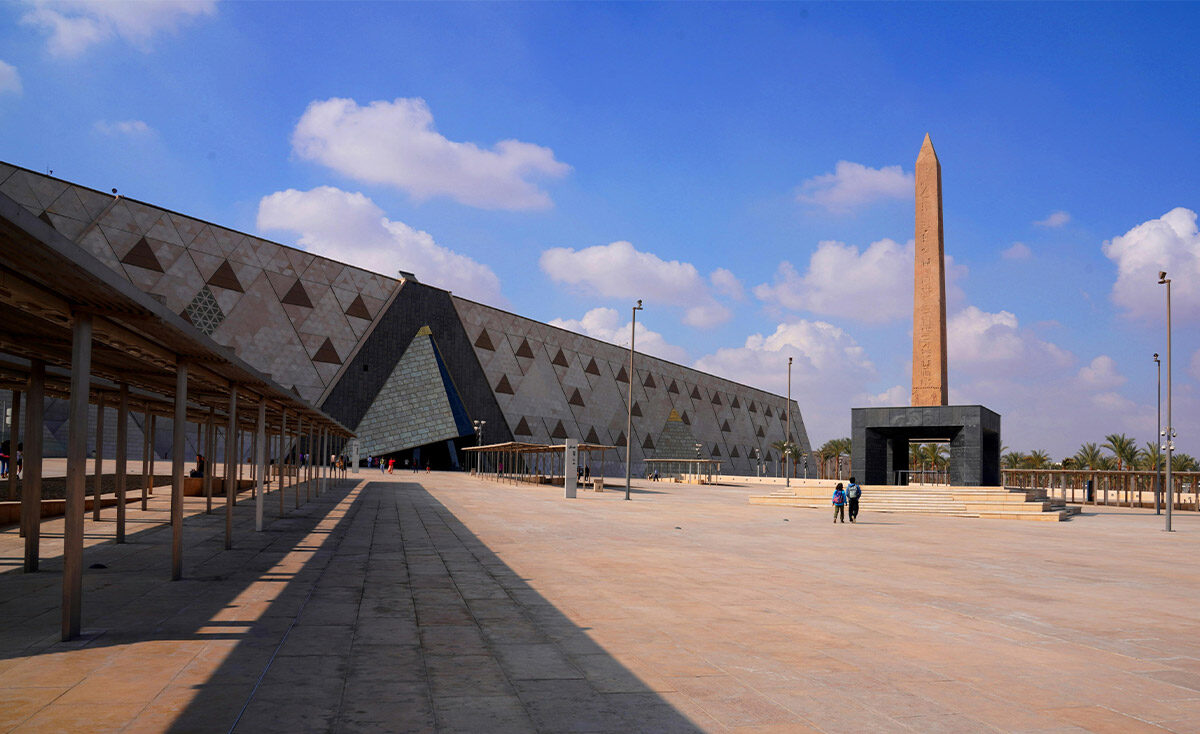
The November 2025 opening of the Grand Egyptian Museum (GEM) marked more than a cultural milestone for Egypt, serving as a symbol of the nation’s renewed economic dynamism. The landmark launch came as tourist arrivals climbed to nearly 19 million in 2025, up 21% year on year, while a report from Goldman Sachs forecast the country to be among the world’s top ten economies by 2075.
“Anyone observing Egypt today can see that the country is entering a new chapter of substantial growth, with tourism at the forefront,” says Merette Elsayed, CEO of Legacy Management & Development, operating company of the GEM.
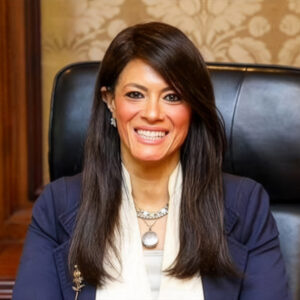
Egypt’s GDP grew 4.4% in the 2024-25 fiscal year, with an acceleration to 5.3% in the first quarter of 2025-26. That has bolstered confidence among policymakers that 2026 marks the point where structural reforms, tighter fiscal and monetary discipline and rising investment translate into durable growth. “All major sectors contributed positively in the first quarter,” says Minister of Planning, Economic Development and International Cooperation Rania Al-Mashat. “With the current pace of reforms, I believe we will accelerate from where we are today.”
That growth is creating opportunity, reflected in a 73% rise in private sector investment in 2025. As landmarks such as the GEM spur continued demand in tourism, sectors from technology and renewables to industry and agriculture benefit from reform momentum, offering growing scope for international partners.
Egypt’s economic recovery is gathering pace, supported by reforms and rising private investment.
Q: How is national growth progressing?
For the past five quarters, GDP has been recovering robustly, with growth of 4.4% in fiscal year 2024-2025, after 2.4% the year before and 5.3% in the first quarter, the highest in more than three years. This reflects focused sectoral reforms.
I see 2026 as an inflection point for the economy. The sources of growth are diversified and led by the private secto
Q: What initiatives underpin your reform agenda?
In September, we published our Narrative for Economic Development: Reforms for Growth, Jobs, and Resilience, which sets out a framework, including Vision 2030.
In this phase, we build on ongoing reforms. These transitions are designed to strengthen competitiveness, make the economy more dynamic and resilient, help it absorb shocks and generate more value added. The focus is on growth and jobs through tradables, complexity, higher productivity and export-oriented sectors. We are already seeing global companies looking to invest or form joint ventures in Egypt.
Q: How do you assess investment momentum?
Through international cooperation, we have mobilised close to $17 billion for the private sector over five years and $4.5 billion for renewables and the green transition. Today, private investment represents 66% of total investment.
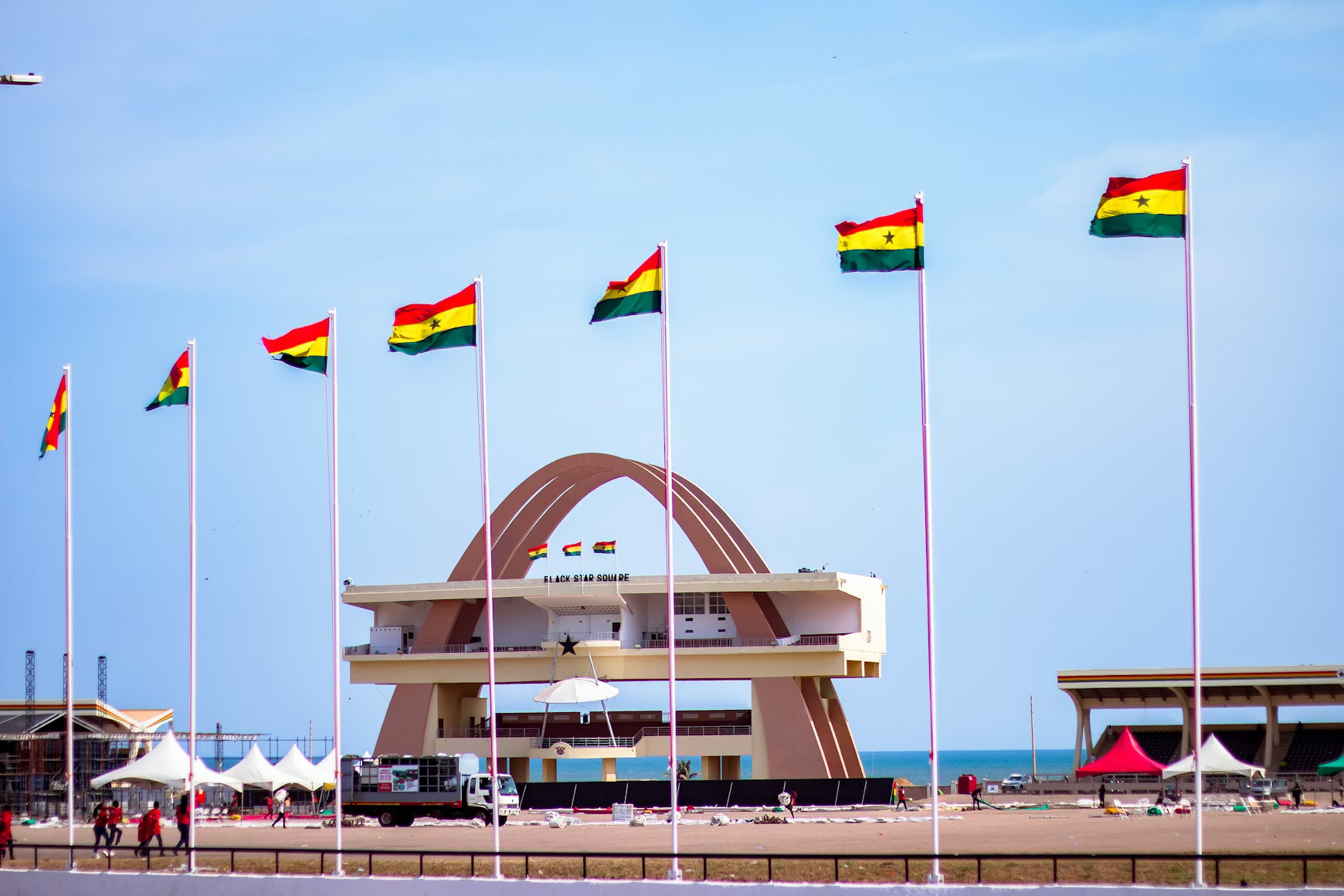
In July 2025, President John Mahama launched the 24-Hour Economy strategy, designed to create two million jobs and lift productivity. The plan encourages firms to operate in three eight-hour shifts, backed by new legislation and incentives including tax relief and targeted financing. “The 24-Hour Economy is not just about working longer hours. It is about creating an enabling framework for productivity,” Mahama said at the launch.
The initiative is central to the president’s push to diversify Ghana’s economy. “Our development model must decisively move away from excessive dependence on raw material exports towards value addition, industrial production and knowledge-based enterprise,” he said. That approach is reflected in initiatives such as the Legon Pharmaceutical Innovation Park, which offers tax incentives and discounted power to local manufacturers. In parallel, a $1bn UAE-backed agreement is set to establish Africa’s largest AI and technology hub in Ghana, highlighting rising Emirati investment. “The Ghana-UAE relationship is poised for significant growth,” says Hammed Rashid Tunde Ali, Ghana’s ambassador to the UAE.
These moves come as economic indicators strengthen. The economy expanded by 6.1% in the first three quarters of 2025, with non-oil GDP rising 7.5%, pointing to broader-based growth. A firmer cedi, easing inflation and higher gold reserves have contributed to a robust economic recovery, providing a platform for sustained industrial expansion.
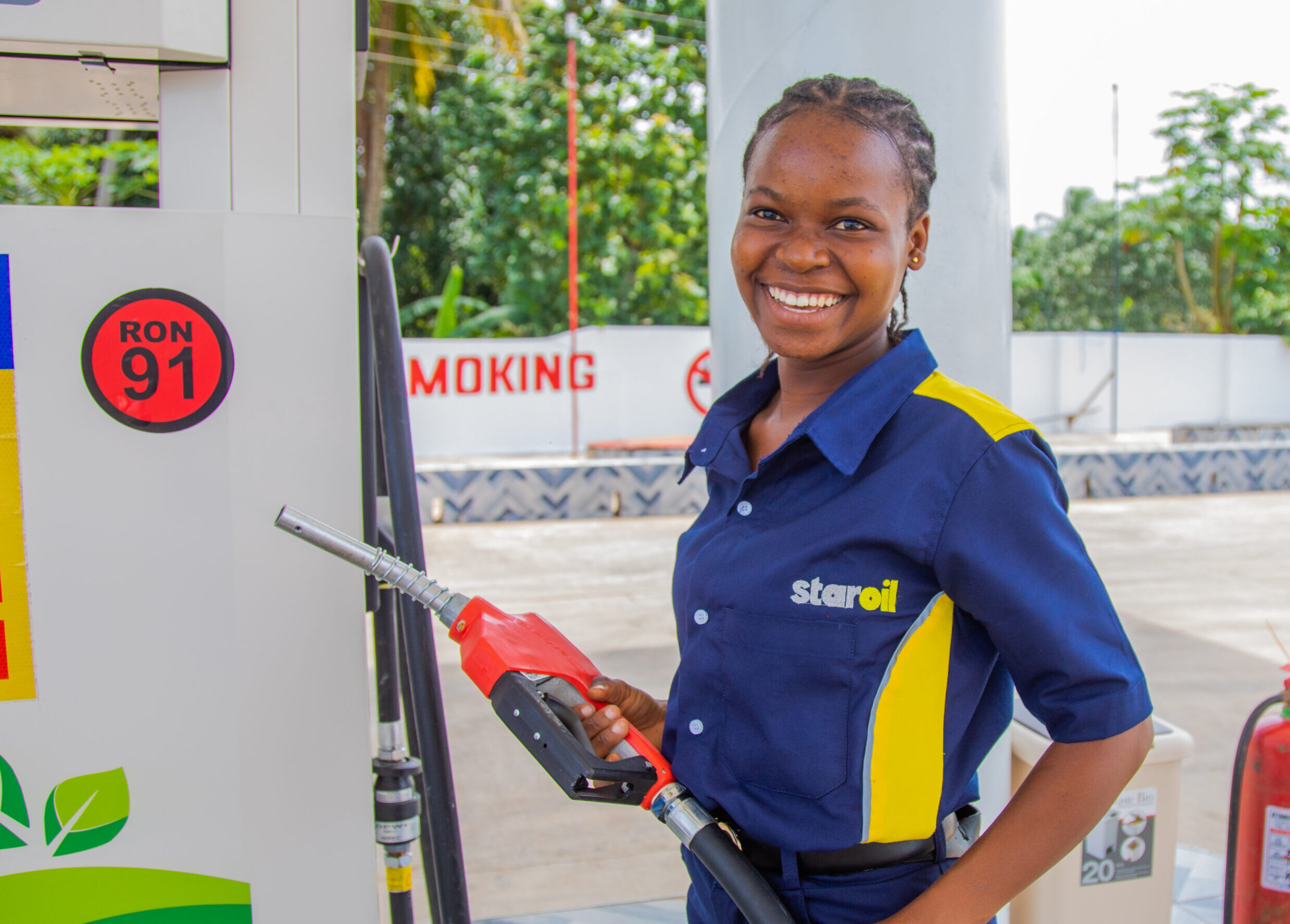
Star Oil has moved from roughly the 13th-largest oil marketing company in Ghana to the top position by sales volume in five years. Under CEO Philip Tieku’s push to cut supply-chain leakages, centralise operations and compete on price, the network has grown from 198 stations in 2020 to 254 today, with 2,700 employees and a model built on direct operation instead of franchising.
The strategy was rooted in pricing and execution discipline. “Affordable fuel is not only a business; it supports economic activity and helps many other businesses remain viable,” he said. Star Oil has also emerged as one of Ghana’s most significant private-sector contributors, generating nearly $1.8 billion in fiscal revenues over five years.
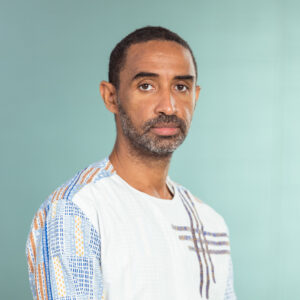
Star Oil is also implementing real-time monitoring of its stations, advancing payments integration and developing the Star Savers app as part of a data-driven shift. The company also expects licensing completion to enable direct imports, reinforcing efficiency while reducing costs.
Looking ahead, Star Oil aims to be a broader retail player, adding EV charging and even shopping centres over time. «Our long-term plan is to develop sites similar to hypermarket retail models,» Tieku notes.