As published in

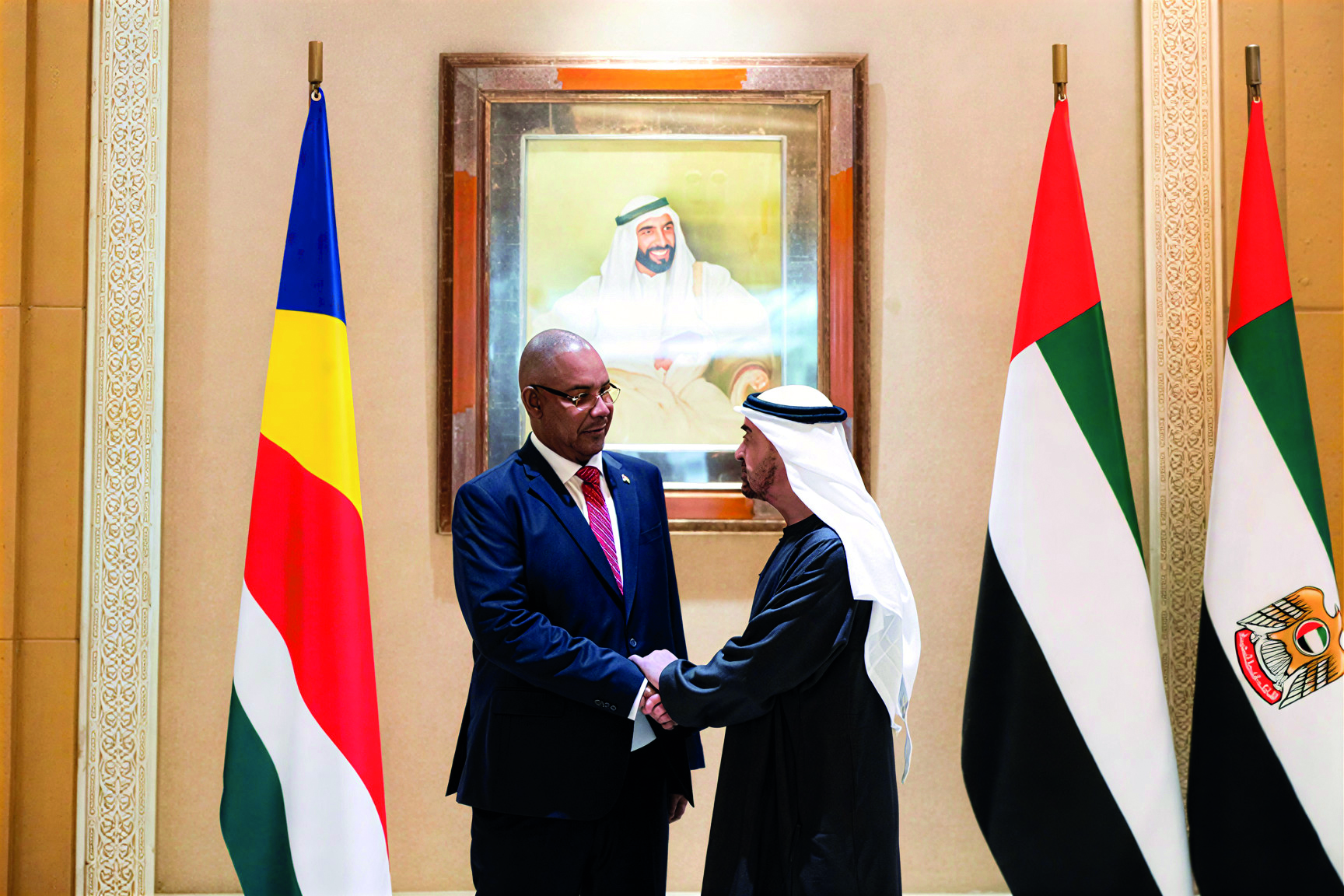
When Dr Patrick Herminie was sworn in as president of Seychelles in October 2025, his first international mission was telling. In December of that year, at the invitation of UAE President His Highness Sheikh Mohamed bin Zayed Al Nahyan, Herminie travelled to Abu Dhabi for a meeting where both sides reaffirmed their commitment to the longstanding collaboration between the two nations. For the Seychelles’ new president, the choice of destination was both a pragmatic one, to enable the two leaders to build a personal connection, and a statement of intent.
The meeting focused on the sectors that define the relationship: infrastructure, energy, health, education and maritime security, built up over decades of Emirati support for the islands’ development. Herminie used the opportunity to convey Seychelles’ “profound appreciation and gratitude” for the UAE’s partnership, while both sides described the talks as opening a new chapter in bilateral relations, pledging to advance cooperation to new heights.
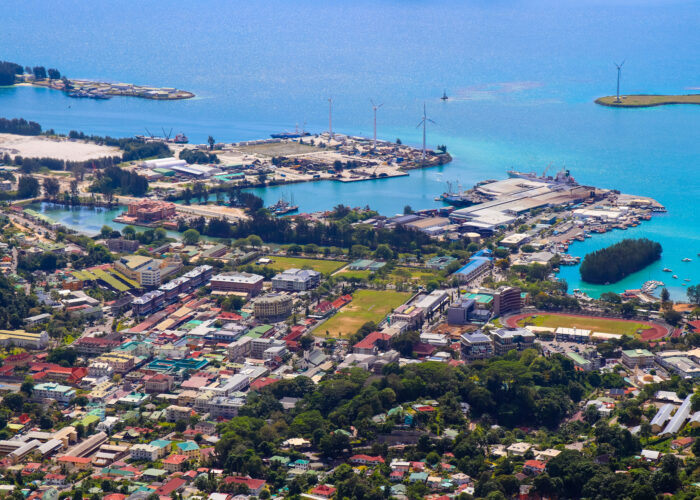
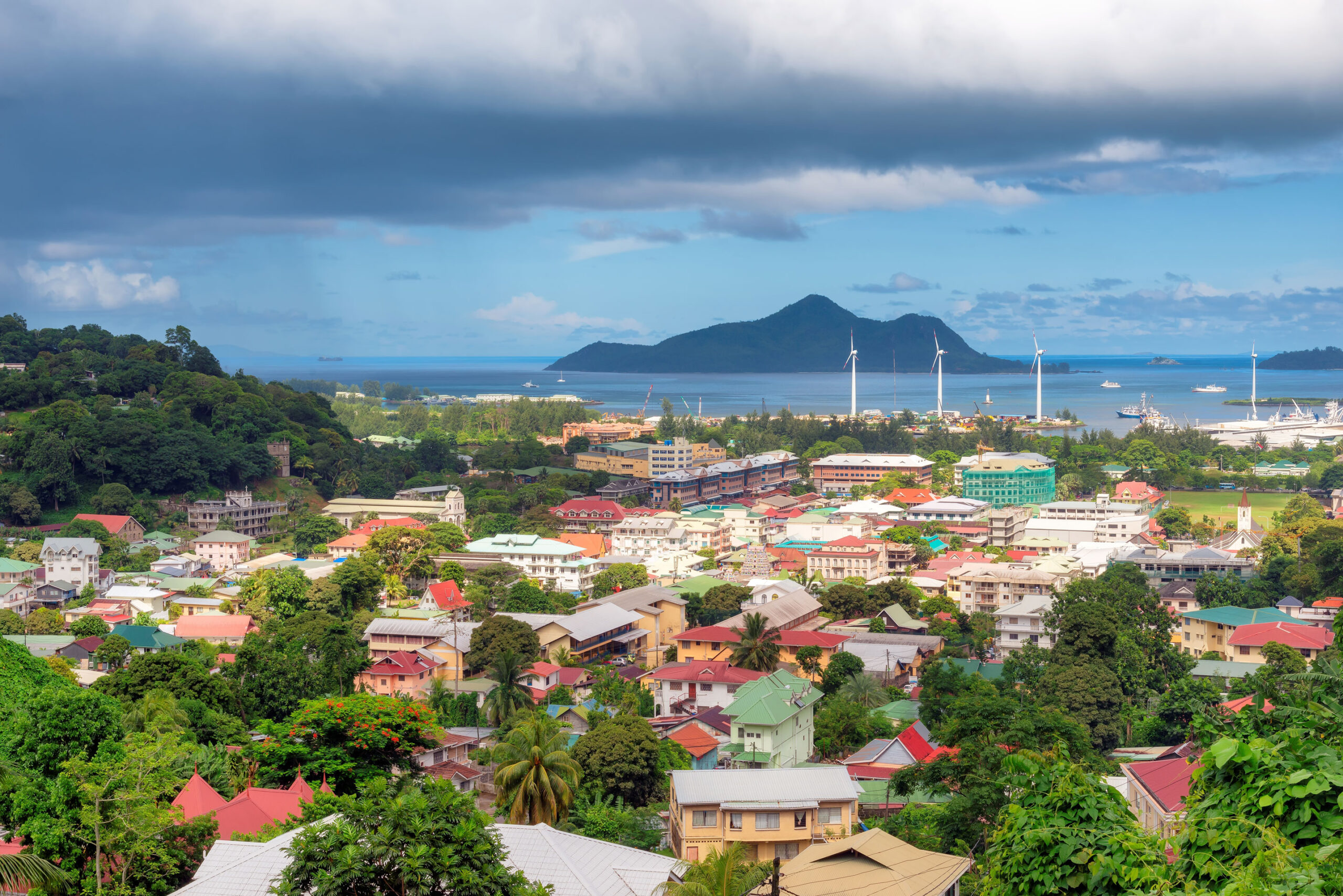
That reflects a relationship that has deepened across multiple spheres. Since 1979, the Abu Dhabi Fund for Development (ADFD) has provided close to AED549 million in development financing across the islands, spanning sectors including energy, infrastructure, housing and health. A key example comes in energy, where Masdar partnered with Seychelles’ Public Utilities Corporation on the Ile de Romainville Solar Park, a 5MW solar and battery-storage plant, completed with financing from ADFD. Port Victoria wind farm, Masdar’s first project in Seychelles, is predominantly located on the same island.
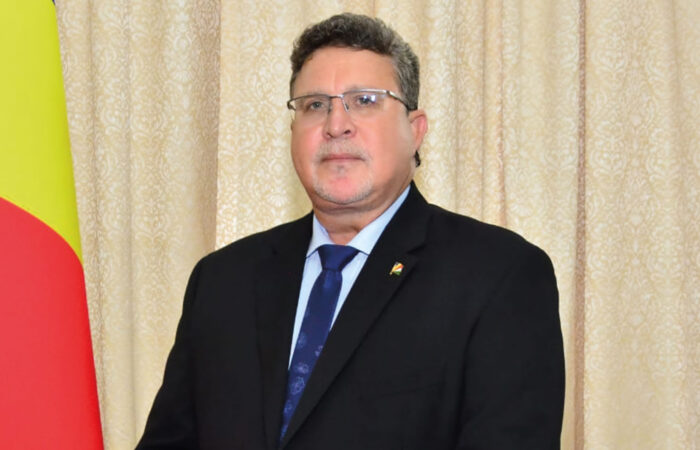
Emirati investors have also targeted sectors including high-end tourism, real estate and logistics. But the relationship extends beyond capital, too. The UAE has previously funded scholarships for Seychellois students to pursue university study in the Emirates, in fields chosen to match the country’s own workforce priorities – representative of the human aspect that forms a key dimension of UAE-Seychelles ties. “There is a convergence between Seychelles and the UAE around sustainability, economic resilience and people-centred development,” says Seychelles Ambassador to the UAE Gervais Moumou.
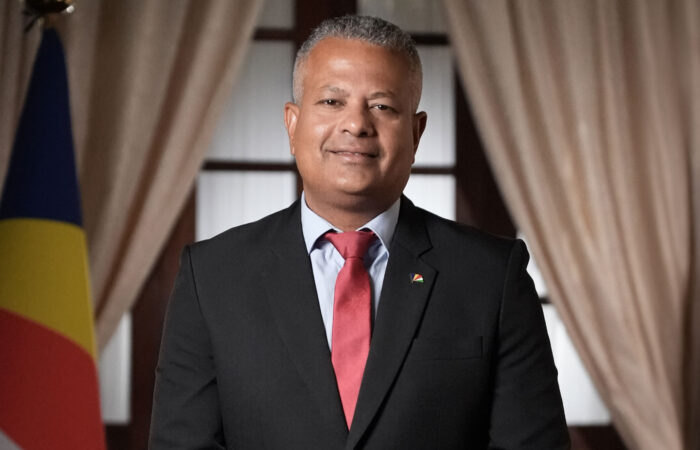
Part of Seychelles’ appeal for UAE partners and investors lies in geography. Located on the western edge of the Indian Ocean, the country shares the UAE’s time zone and sits on established shipping and flight routes linking the Gulf to East Africa. More significant still, it offers a stable, high-income jurisdiction from which to access African markets, at a time when the UAE has expanded its presence on the continent. Emirati companies have invested more than $118 billion in projects across Africa since 2020, according to Reuters, making the UAE the continent’s fourth-largest investor. For a partner sitting at that crossroads, with deep-water access and a 1.4-million-square-kilometre exclusive economic zone of its own, Seychelles is ideally placed to serve as a gateway for further growth. “As Seychelles builds more networks and connectivity globally, it can become a regional hub and an example of cooperation across sectors, showing how investment can benefit the country,” says Vice President Sebastien Pillay.
Beyond geography, Seychelles has built a regulatory environment increasingly tailored to attracting international capital. A liberal exchange regime dating to 2008 reforms allows unrestricted profit repatriation, paired with a modernising financial sector, sector-specific tax incentives and a public-private partnership framework designed to let investors co-invest with government rather than shoulder full exposure alone. A new Seychelles Sovereign Investment Fund is being established to provide that co-investment vehicle in strategic sectors, while the Seychelles Investment Board provides a central point of contact to coordinate the project approvals process. The combined effect is to highlight a government that has organised its institutions for streamlined investor access. “We recognise the need to attract investors and to create an investment climate that allows investors to achieve returns within a timeframe that matches their investment,” adds Pillay.
Domestic reform has been bolstered by diplomatic engagement. Herminie’s December visit was the first of a series of high-level exchanges that have produced tangible results. When he returned to Dubai in April 2026, Herminie met with Emirates Airline Chairman Sheikh Ahmed bin Saeed Al Maktoum to agree a deal to restore full daily service to Seychelles, returning to pre-conflict frequency after months of reduced capacity caused by regional disruption. Herminie credited more than two decades of Emirates operations with anchoring Seychelles’ international connectivity. The airline accounted for around 32% of the country’s visitor arrivals in 2025 and 22% in early 2026, reinforcing its position as a principal driver of the tourism flows the economy depends on.
During the visit, Herminie also held talks with Sheikh Shakhboot bin Nahyan Al Nahyan, the UAE’s minister of state for foreign affairs, on the development initiatives already under way: four desalination plants to shore up water security in an island state with limited freshwater resources, the Anse Royale sports complex and a housing project in Grand Anse Mahé. The UAE confirmed all three would continue despite regional pressures, a detail that was seen as a vote of confidence in both the Seychelles’ development trajectory and its place in the UAE’s diplomatic priorities. Energy was another area of discussion, with the two sides opening preliminary talks on a bilateral arrangement to let Seychelles procure oil directly from the UAE – representing a significant potential boost in supply security for a nation that imports around 95% of its energy.
Strong macroeconomic fundamentals underpin Seychelles’ international engagement. The country remains the only high-income economy in Sub-Saharan Africa, with growth accelerating to 5.8% in 2025 on record tourist arrivals, a fifth consecutive year of primary fiscal surplus and international reserves climbing to $878 million. An IMF-supported reform programme, anchored around an Extended Fund Facility and a Resilience and Sustainability Facility, came to an end in May 2026, with the final report concluding that “Seychelles has made strong progress toward key economic objectives, including a reduction of public debt, rebuilding foreign exchange reserves, strengthening the monetary policy framework and financial sector supervision and advancing climate-related reforms.”
For Herminie, the task he has set his administration is to translate those strong fundamentals into shared prosperity. The president emphasised this in his maiden address to the National Assembly, saying: “Our vision is clear: A Seychelles that works for everyone, not just for a few. A country where prosperity is shared, justice is real, leadership listens and every Seychellois feels valued.” A key initiative has seen the establishment of the Economic Advisory Council, designed to strengthen economic leadership and foster sustainable growth. Addressing the council’s inaugural meeting, Herminie defined what that meant in practical terms, calling for a more balanced and resilient economic foundation. “A stronger and more sustainable blue economy must become central to our national development,” he said. “At the same time, there are clear opportunities in financial services, digital enterprise and logistics that must be more fully realised.”
This combination of macroeconomic credibility and diplomatic momentum has given Herminie a platform beyond Seychelles’ own borders, which he has used to advance national priorities including the blue economy ambition. Delivering the keynote speech at the Blue Forum during Abu Dhabi Sustainability Week in January 2026, the president told delegates, “Seychelles stands on the frontline of climate change, yet we also choose to stand at the forefront of solutions,” pointing to the UAE-backed desalination investment in Seychelles as evidence of what integrated water and ocean planning could achieve. “Resilience cannot be built in silos,” he said, calling for systems-based management that treats freshwater, coastal and marine environments as interconnected rather than planned and financed separately. Herminie used the address to position the Seychelles’ model, and its partnership with the UAE, as a template other small states could follow.
As the president approaches his first anniversary in office, the trajectory points to that partnership maturing on the basis of shared commercial interest. Co-investment vehicles, economic diversification and energy transition, along with scope for further engagement in traditional sectors such as tourism and real estate, showcase the breadth of alignment. For Seychelles, deepening that relationship offers a route to the diversification the government has set as a key goal, working with a partner ready and willing to commit patient capital at scale.