Traditionally reliant on tourism and fisheries, Seychelles is targeting diversification, infrastructure and sustainable development to reduce exposure to seasonality, broaden its economic base and strengthen its investment appeal. Industry accounts for around 13.5% of GDP, and a key goal is to widen that contribution.
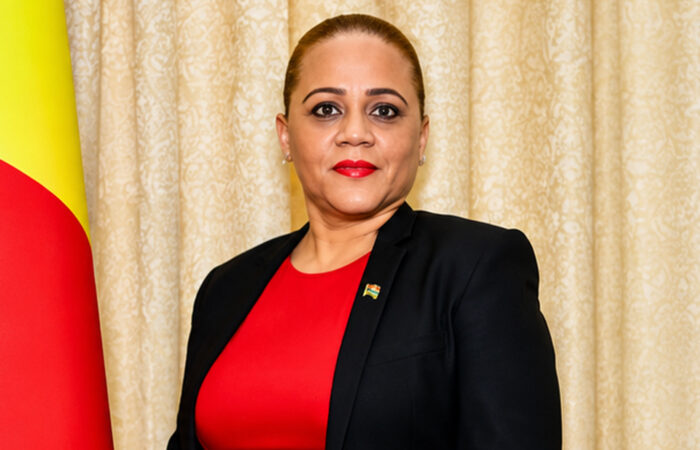
“Industry has much more to offer, and we can do more,” says Minister for Industry and Enterprise Geralda Desaubin, highlighting renewable energy and real estate as priority sectors. The National Development Strategy 2024–2028 places investment in green infrastructure, housing and sustainable development at the centre of the national agenda. That’s set to drive further growth in sustainable construction, which recorded a CAGR of 18.4% from 2020 to 2024, with UAE import flows playing an important role.
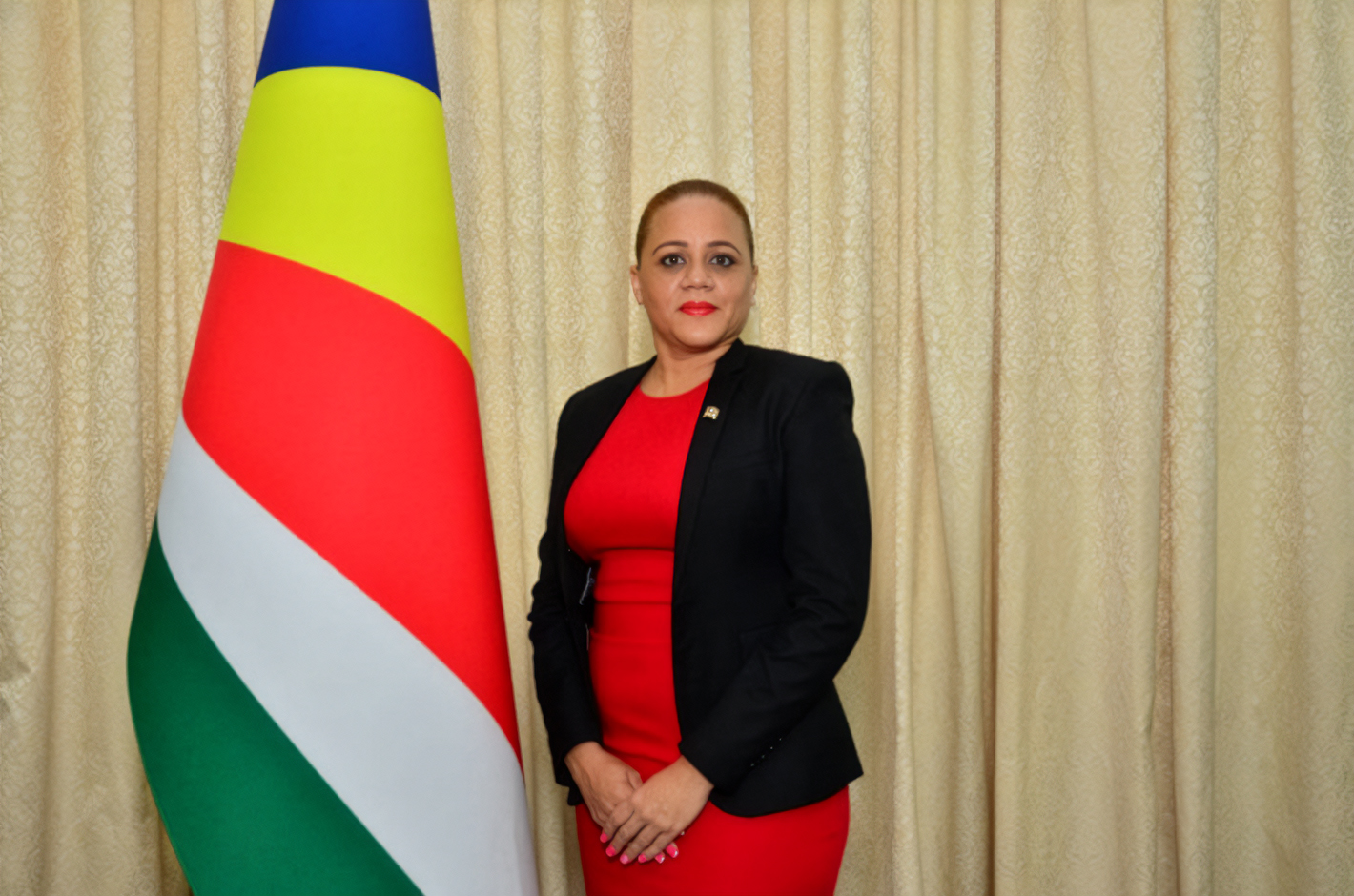
The UAE is also influencing renewables development. “Following my participation in Abu Dhabi Sustainability Week, sustainable energy is one area where we can promote and encourage more investment for the country,” says Desaubin. That sits within the wider focus of diversification built on technology, innovation and digitalisation. “This is the right moment to come in and work with Seychelles as a partner in exploring these new opportunities,” she adds.
While tourism remains the economy’s anchor, it is also a driver for wider development. Major projects include the Victoria Port modernisation, valued at more than $41 million, and ongoing redevelopment under the Seychelles International Airport master plan. Private investment is following suit. Luxury boutique hotel Le Duc de Praslin recently upgraded its facilities to five-star standard, based on the sector’s enduring strength. “Seychelles remains one of the most beautiful destinations in the world and one of the safest,” says Owner and Director Robert Payet.
IDC manages 17 islands, balancing conservation with development.
Islands Development Company (IDC) is a state-owned organisation charged with the management of Seychelles’ Outer Islands. Responsible for 17 island territories, the company also runs a dedicated construction arm, the Green Island Construction Company.
Central to IDC’s mandate is environmental protection – a reflection of Seychelles’ long-standing position as one of the world’s foremost champions of conservation. All activity carried out by IDC must adhere to the country’s environmental legislation, with compliance forming the baseline from which all other priorities are set.
Because IDC operates on a budget-independent model, generating its own revenue rather than drawing on government funding, the company has focused on building partnerships with resort operators across its island portfolio. That includes Waldorf Astoria on Platte Island, Four Seasons Resort Seychelles at Desroches Island, Alphonse Island Resort on Alphonse Island and Universal Resorts on Silhouette – each representing an approach in which commercial development and environmental responsibility are managed in tandem.
Under the leadership of CEO Christian Lionnet, IDC continues to work towards enhancing sustainability on its islands and deepening environmental protection. Renewable energy is a key driver; IDC has installed solar power systems across a number of locations, with further installations planned as the programme expands.
With investor relations forming a core part of the company’s commercial model, IDC has a long-established track record of working with UAE-based partners. Key projects include construction of hotels and resort facilities for UAE investors, among them Mango House and other resorts across Seychelles. Each relationship is built on the principle of mutual benefit – supporting returns for partners while enabling IDC to remain true to the goal of protecting its island assets over the long term.
From its founding in 1979, Vijay Construction has built its reputation on quality. “For any business to progress, I focus on three factors: quality, time and price,” explains Founder V. J. Patel. “Quality comes first.” That philosophy has seen the company grow into one of Seychelles’ leading construction firms, delivering civil, commercial and infrastructure contracts across the country – including flagship projects such as the Eden Island development.
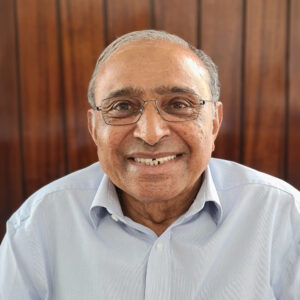
Drawing on his experience as a civil engineer and managing director of Laxmanbhai Construction, Patel established Vijay Construction on the basis of opportunity. “I believed that, regardless of politics, people and government would always need buildings,” he says. “I started, and there has been no looking back.”
Crucial to that success was Patel’s commitment to empowering teams. “When people are treated better and paid better, they are more productive,” he says. “The biggest advantage of this policy is that people take ownership. When that happens, the business flourishes.”
That empowerment has enabled Vijay Construction to pursue complex projects, including marine piling, developing in-house capabilities through hands-on learning and international partnerships. In this interview, Patel outlines the principles that underpin the company’s continued growth.
Q: How do you position Vijay Construction to clients and investors, particularly in the UAE?
Today, many of our main clients are from the Middle East. I emphasise the same three factors with my senior team: quality, time and price. I had to learn and build that capability because I was competing against an established company, known for quality. At the beginning, I did not have trained staff, so I recruited and trained people, and I invested in people and equipment.
I also pursued work I did not yet know how to do. For example, in 1982 the BBC towers project required specialised foundations using piling. I saw the opportunity and priced the first job to win it, prioritising entry over profit. I went to South Africa, found a company specialising in piling foundations, and brought them as a subcontractor. We managed it well, and the client received the job on time and within budget. I learned, trained my people and eventually tendered directly.
Q: How do you balance innovation with risk and cost control?
I’ve always tried to find a niche. Niche markets bring better opportunities to innovate the business because there’s less competition. This can produce better profits if managed properly. In piling, there was competition from foreign companies, and UCP also entered the market, but we remain more competitive on price.
On Eden Island, when the marina required marine piling, we were allowed to tender. I offered a better price than the South Africans, but I had to learn because I did not have staff with that expertise. My approach was to jump in and learn to swim. I employed people with experience, including a British specialist, and trained more staff.
We completed the marina with piling at depths of 25 to 30 metres. It requires courage and self-confidence. When you have confidence, you focus on solutions. You must find the method.