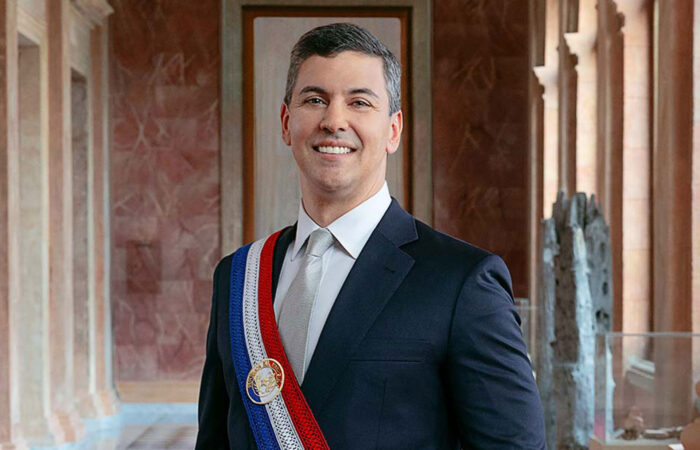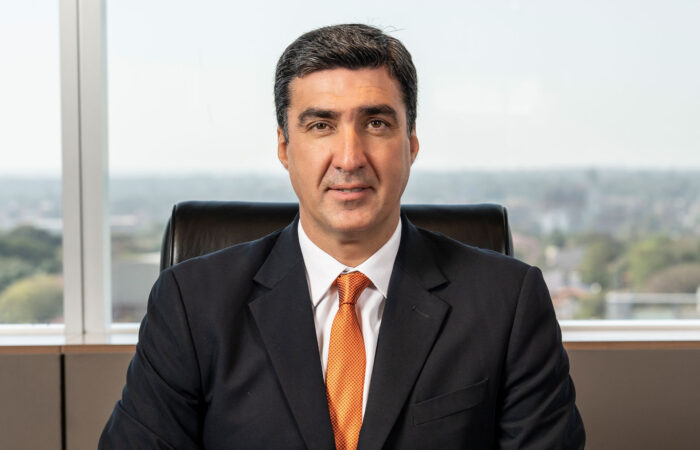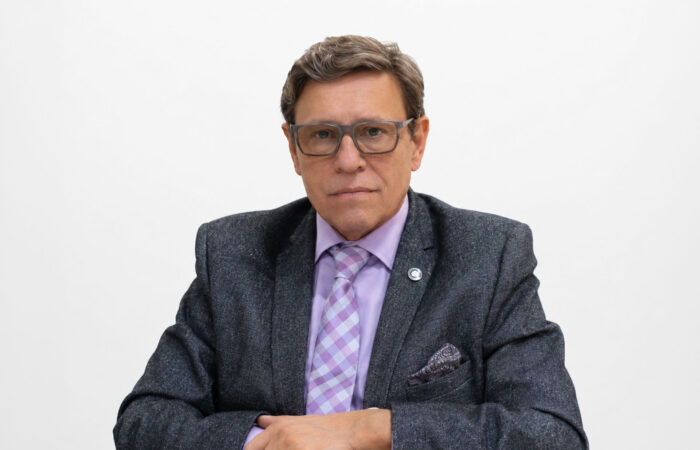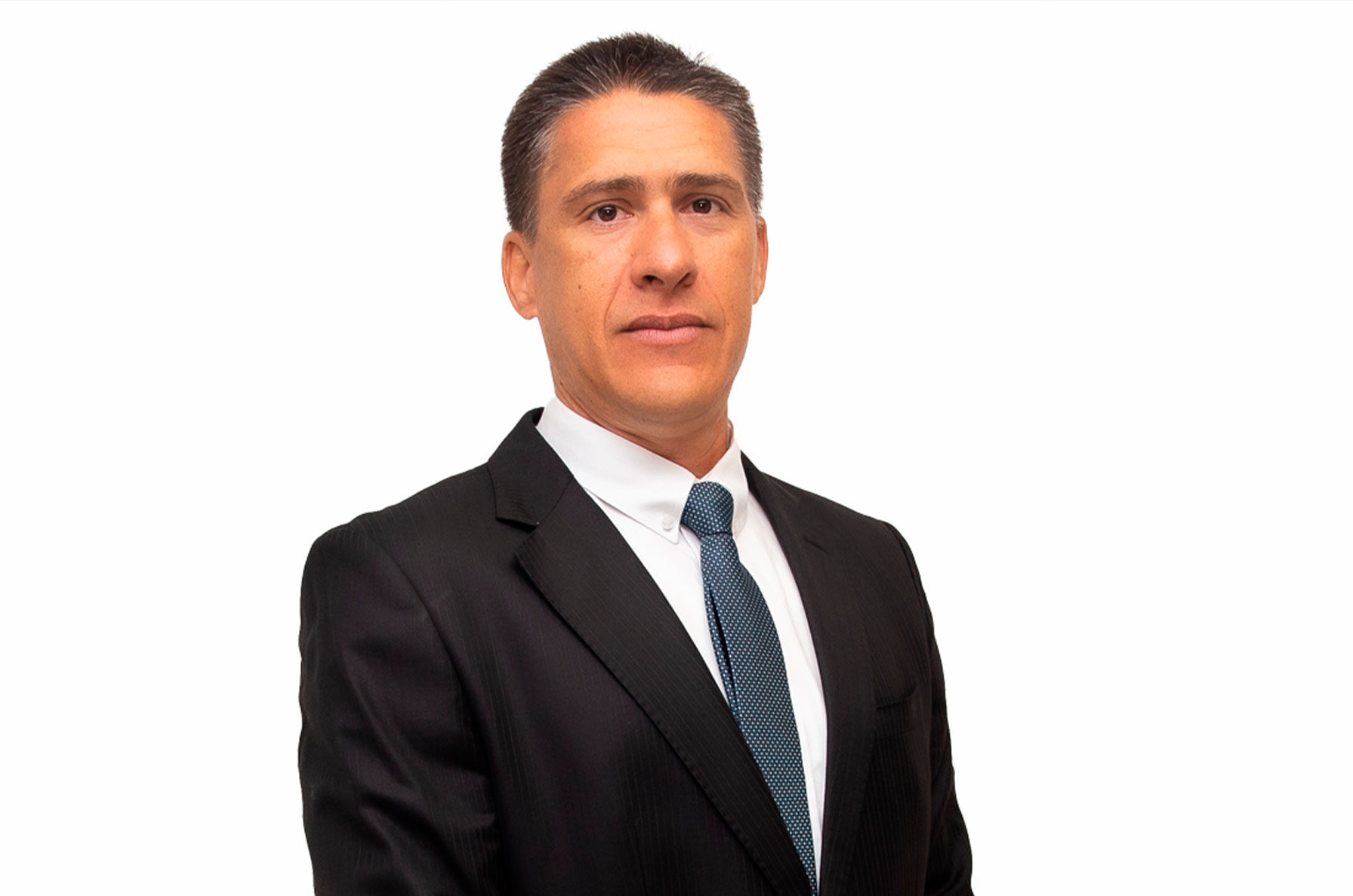
William Wilka, President of Petróleos Paraguayos (Petropar), leads Paraguay’s state-owned fuel company as it expands its market presence and prepares for changing energy demand. Here, he discusses Petropar’s commercial strategy, investment in new technologies and opportunities for cooperation with German and European markets.
Q: What is your strategic vision for Petropar as it moves forward?
Petropar has undergone a natural evolution tied to the fuel business itself.
Today, in 2026, we have 23 distributors, 11 importers and more than 2,800 service stations nationwide. Paraguay’s economic conditions – growth, investment-grade status, political and social stability and a low tax rate – have made the fuel sector profitable enough to attract significant investment.
The short-term strategic decision was for Petropar to operate as a truly profitable, corporate business. We are today an active competitor in the market. In 2025, we came out second; we closed June 2026 as number one, and we remain number one year-to-date. This results from years of strategic planning and a first-rate human resources team with clear objectives.
The idea is to be seen as a first-rate business company at the forefront of all the business lines we are developing, in a way that generates profitability and translates those benefits to the citizenry through good prices, good quality and good coverage across the national market.
Q: How does Petropar manage fuel pricing?
Petropar has a natural role as market regulator, establishing reasonable margins for business lines independent of international quotations, enabling the company to sustain itself while maintaining competitive advantage. We seek to achieve what is fair and necessary. When we benefit from that margin structure, we immediately transfer the additional value to the citizenry, regardless of international quotations.
Our presence provides predictability to the government, peace of mind to the economy, and confidence to the citizenry. Nothing is subsidised. We seek profitability that allows us to sustain the business. When we must raise prices, we do so responsibly; when we must lower them, we are the first to act.
Q: How is Petropar performing financially?
With our 2025 closing of USD 45 million in net surplus, we estimate this year will be equal to or exceed that result.
Today we blend 30% ethanol in petrol. This contributes to lower dependence on fossil products and helps us achieve a balance.
Q: How is Petropar preparing for projected energy demand growth?
The national fuel market has been growing at an average of about 7% per year. Petropar today has a network of practically 305–308 service stations – almost 10–12% of service stations nationwide – and we are number one in market share. This shows our efficiency per service station. We have very good network coverage throughout the country.
We are investing in greater tank capacity: Petropar today has the largest tank capacity in the country. We have two new tanks coming into operation next month, and we are finishing the conditioning of our liquefied petroleum gas plant, biodiesel plant and in-line mixing capabilities. We are preparing the entire company to move along with the annual fuel market growth and to meet the greater demand we are experiencing and will continue to have.
Q: What technologies does Petropar prioritise for competitiveness?
Petropar today has a first-class ERP system with SAP; our entire system is fully integrated. We have complete monitoring of all our service stations and operators. We are advancing development of artificial intelligence technology in the areas of IT and communications, ensuring we stay at the forefront of what the world is generating.
The idea is always to be at the forefront of artificial intelligence, new technology development and new product types. We are entering the aviation sector shortly and expanding into electric vehicles with electric chargers. We are pointing in all directions to remain at the forefront.
Q: Where do you see synergies between Petropar and the German and European markets?
I see the greatest synergy in the biofuels sector. We see a synergy where Europe can serve as a school for best practices that we can apply.
We have an alcohol plant in another city where we produce the alcohol for our petrol mixtures.
With respect to the German and wider European market, when Petropar goes out to buy fuels, we are no longer concentrated on the Río de la Plata region or Argentina. Today we go to the US Gulf Coast, to Europe, to Asia. We are open and buy from everywhere, which forces us to be present in all markets.
Q: How is Petropar integrating sustainability into its strategy?
We are betting on everything in the biofuel business – all new technology coming from electric vehicles and ethanol; we believe and are convinced that is the future. With the growth Petropar is having today and the positioning we hold, we see greater importation of electric vehicles.
The public is naturally pointing towards sustainability. Demand sets the pace of the market – supply has to adjust to demand. There is no secret to it. We are sure that the path we are choosing is the right one, and we are betting 100% on sustainability.
Q: How do you envision Petropar in ten years?
In ten years, I see Petropar as a leader both in fossil fuels and as a leader in the energy sector, particularly in biofuels.
Before, Petropar had a different concept; today it is a business company and it is owned by the state – 100% by the state. This is not a mixed company. We are a completely versatile company, totally aligned to new policies and aligned to new requirements at the world level.
We have no problem sitting down at the table with anyone to negotiate. That keeps us always at the forefront and able to have the best opportunities.
Q: Why did you decide to accept the presidency?
I have been at Petropar for 34 years. As a leader, I owe my position in large part to my team. Without the team, we practically do nothing. We have a really first-rate human resources team. I was general manager before being president, and I have worked in practically all areas of the company, which gives me greater knowledge of the people.
I had the opportunity to be trained abroad, and leadership – thanks to the team that understood what we were looking for and where we want to go – made it possible for us to move forward and achieve the results we have had and are having. I accepted this offer because challenges are there to be met.
For me it is a passion, really a passion. I am fuel and fuel is me.
Nothing is improvised. We try to be responsible enough about the decisions we are going to make. We ensure this state company remains profitable and truly a point of pride for the citizenry.