As published in
Kazakhstan is building an economy that blends traditional strengths with a focus on technology, underpinned by its growing role as a Central Asian trade and logistics hub. Already the region’s largest economy, the country recorded GDP growth of 6.5% in 2025, driven by expansion in industrial production, transportation and construction. In the international arena, 2025 marked ten years of WTO membership for Kazakhstan, a period which has seen foreign trade grow from $76 billion to $142 billion – demonstrating a broader shift towards a more outward-facing economy.
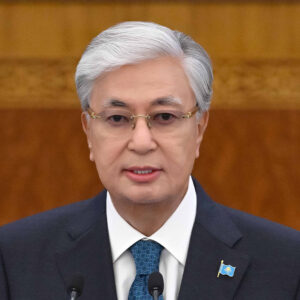
The UAE is a key partner in this evolution. Close bilateral ties have continued to deepen in recent years, marked by high-level engagements and strategic partnerships across key spheres. During a state visit to Kazakhstan in 2025, President Kassym-Jomart Tokayev and Sheikh Khaled bin Mohamed bin Zayed Al Nahyan, Crown Prince of Abu Dhabi and Chairman of the Abu Dhabi Executive Council, oversaw the signing of agreements worth more than $5 billion in energy, infrastructure and technology. “We see immense potential to expand cooperation across multiple sectors,” said Tokayev. “We are committed to providing a favourable environment for Emirati business partners.”
UAE investment in Kazakhstan exceeds $1.3 billion over the past decade, with inflows doubling year-on-year in the first half of 2025. Major Emirati companies including Masdar, Presight AI, AIQ and AD Ports Group are already active in Kazakhstan’s economy, with technology at the heart of an agenda that goes beyond simple economic exchanges. “Today we are discussing how our countries can jointly build the digital architecture of the future – from artificial intelligence to space, energy and scientific research,” said Zhaslan Madiyev, deputy prime minister and minister for artificial intelligence and digital development.
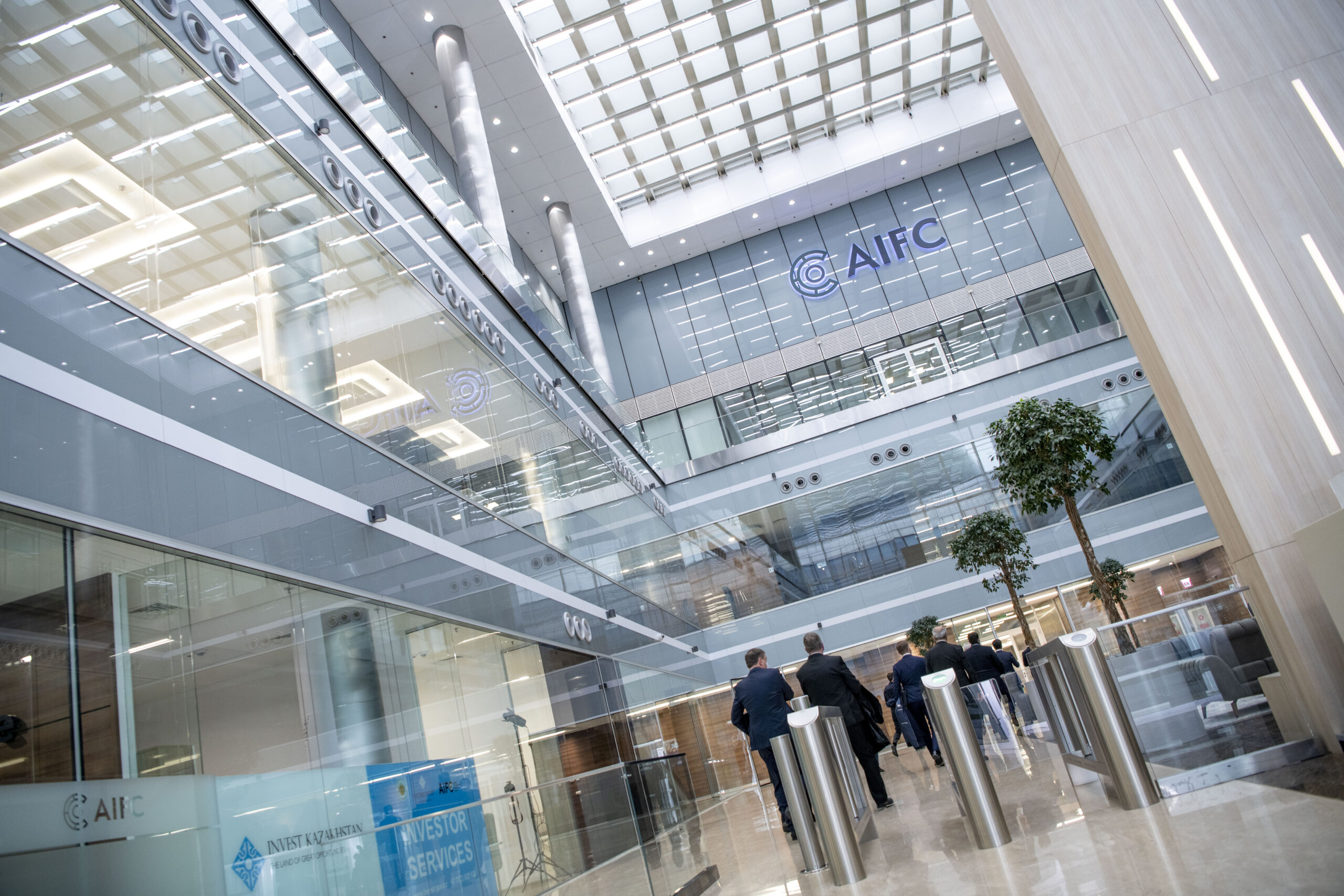
Central to this is Kazakhstan’s ambition to become a fully digital nation within three years. President Tokayev has made AI-powered digital transformation a national priority, designating 2026 the Year of Digitalisation and Artificial Intelligence. Kazakhstan’s role as host of GITEX AI Central Asia & Caucasus signifies its growing global prominence in the sector, while its institutional infrastructure underlines intent. Established in 2025, the Ministry of Artificial Intelligence and Digital Development is leading policy delivery, while Astana Hub has become Central Asia’s largest technology and innovation ecosystem, supporting startups and international companies while expanding its footprint overseas. The Astana International Financial Centre complements this, offering an English common law framework designed to facilitate cross-border investment.
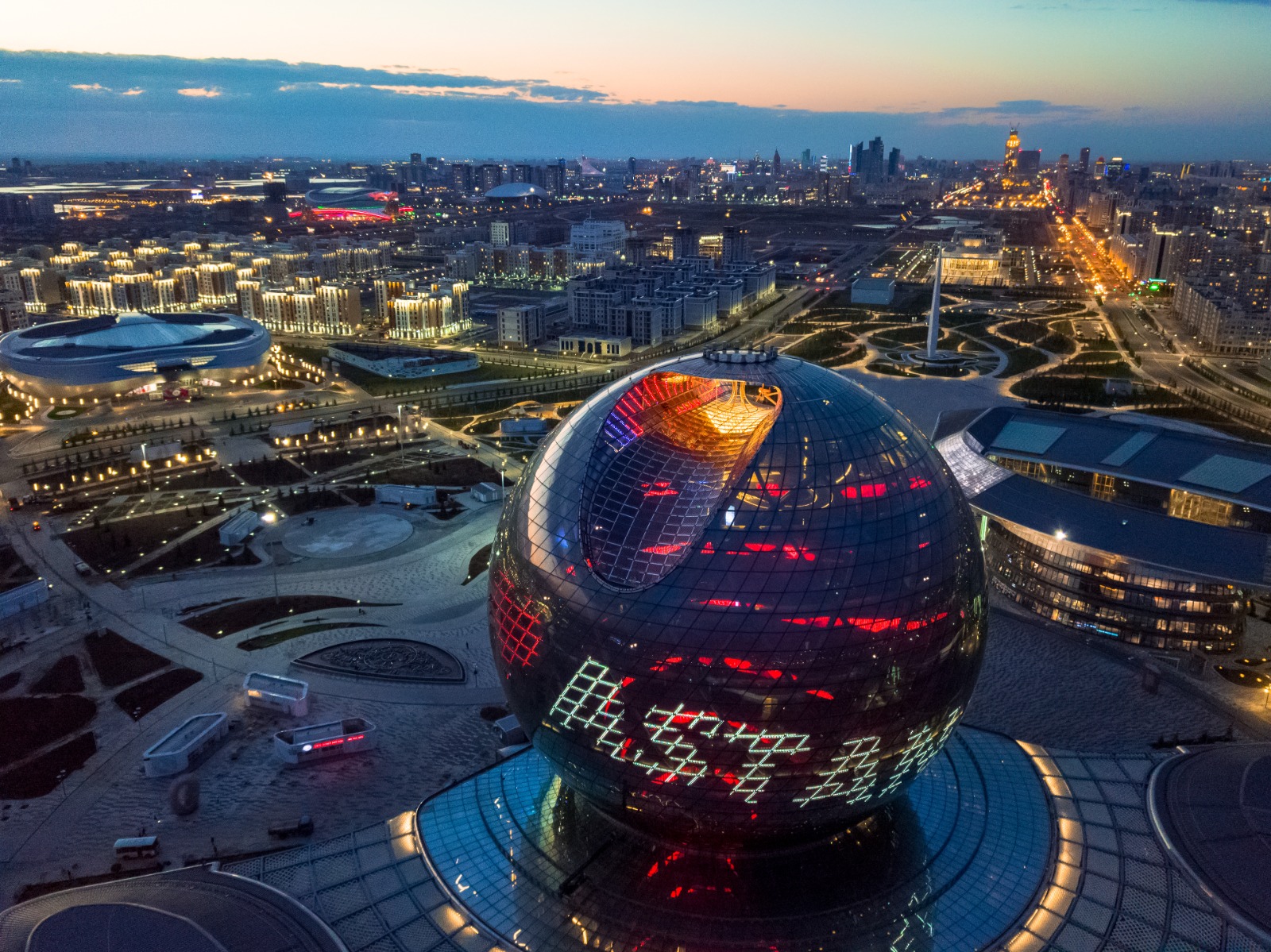
This digital ambition is mirrored in physical infrastructure investment, part of Kazakhstan’s push to become a major trade and logistics hub between Asia and Europe. Large-scale connectivity projects include the development of the Trans-Caspian International Transport Route, or Middle Corridor, as a key artery for east-west trade – a milestone undertaking that highlights how the convergence of national strategy, global engagement and international partnerships is defining Kazakhstan’s next chapter.
President Tokayev’s digital push drives Kazakhstan’s transition to a knowledge-based economy.
Kazakhstan’s digital transformation agenda took on new impetus in 2026 with President Kassym-Jomart Tokayev declaring it the Year of Digitalisation and Artificial Intelligence in his New Year address. “The introduction of advanced technologies will make it possible to strengthen the country’s potential in all spheres,” he said, adding in a later interview: “Kazakhstan must become a digital power.”
Addressing the National Kurultai in January, Tokayev said the agenda must be measured through faster decision-making, higher labour productivity and better public services. The goal is not innovation for its own sake but to evolve Kazakhstan from an economy based on raw materials to a knowledge-based model in which technology raises efficiency, improves governance and creates new export streams.
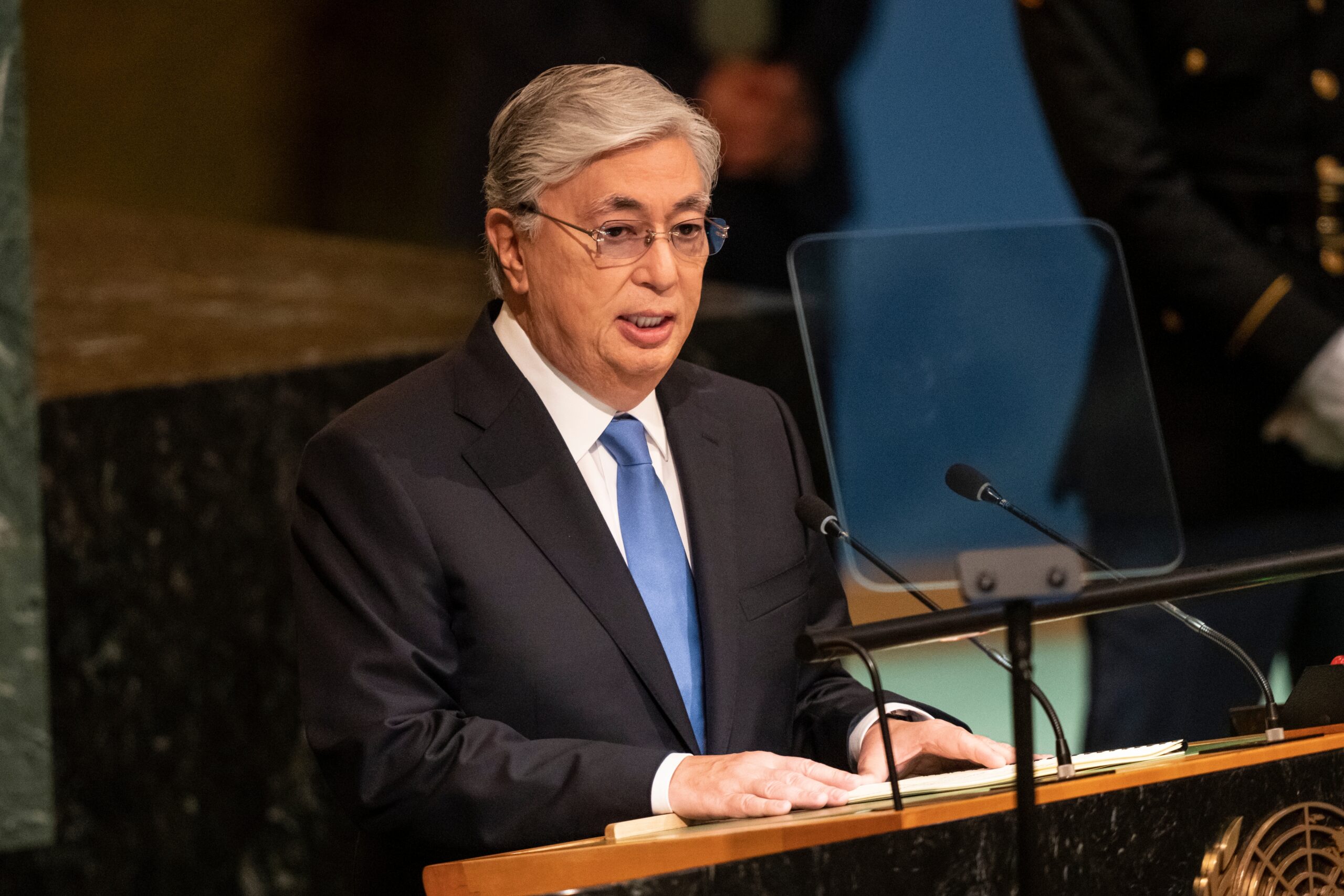
The foundations are already in place. The Ministry of Artificial Intelligence and Digital Development was established in September 2025, supporting the goal of becoming a fully digital country within three years. Other initiatives include expanding the Astana Hub footprint and launching the national supercomputer clusters Alem.Cloud and Al-Farabium.
International relations are key to driving the agenda, particularly collaboration with the UAE. Emirati investment in Kazakhstan more than doubled in the first half of 2025, and the countries are discussing the creation of a GovTech Innovation Hub as a joint platform to advance digital solutions in public administration. That builds on government partnerships with the UAE’s Presight AI and AIQ across digital infrastructure, energy and smart city development. Said Tokayev: “The UAE is our key partner in the Arab world.”
An ambitious FDI target is spurring new partnerships and deeper engagement with Gulf investors.
Kazakhstan has set a target of attracting $150 billion in investment by 2029, leveraging its economic strengths and strategic location. As the largest economy in Central Asia, the country accounts for around 60% of foreign direct investment into the region. “In Central Asia and Eurasia, Kazakhstan stands at the centre of investment attractiveness,” says Kazakh Invest Chairman Sultangali Kinzhakulov. “Investors now seek more stable markets, those offering higher revenues but also higher risks.”
Kazakh Invest plays a central role in growing inflows, acting as a one-stop agency for investment projects, managed through its National Digital Investment Platform, which offers real-time tracking. The agency is also prioritising the development of Kazakhstan’s 16 special economic zones, including pilot projects at key locations.
This investment drive is supported by institutions such as Paryz, whose members represent around 60% of the economy. The organisation works to improve the business environment for investors, acting as a bridge between private enterprise, government and international partners. Dialogue is central to its role, both in representing industry and connecting investors with local opportunities.
Against that backdrop, Gulf ties are key. UAE firms have invested more than $5 billion in Kazakhstan, with 20 bilateral agreements signed across multiple sectors. Renewable energy is one area of alignment, with Masdar developing a 1 GW wind farm in Kazakhstan. Agriculture is another; Kazakhstan has around 220 million hectares of agricultural land, offering strong potential for cooperation with Gulf partners focused on food security. Halal Kazakh lamb is already exported to UAE markets, with Kazakh Invest driving further expansion in the sector.
That reflects the agency’s outward-facing role in helping companies targeting international expansion. Kazakh Invest plans to open a Dubai office in 2026, designed to support investor engagement – a significant move for firms with export potential such as LOTTE Rakhat. The confectionery brand sees its halal-certified portfolio as a natural fit for Gulf markets. “Halal is a very strategic direction in terms of expanding exports,” says Chairman Akhmed Akhrarov.
Kazakhstan’s outbound push is also supported by a more internationally connected financial sector. ForteBank, one of the country’s leading lenders to large corporates and SMEs, has been active in the Gulf through investor roadshows in Dubai, Abu Dhabi and Doha. Its engagement with regional institutions reflects a banking system increasingly able to connect Kazakh projects with international capital.