
Poland’s ministry of energy steers the shift to a new energy mix
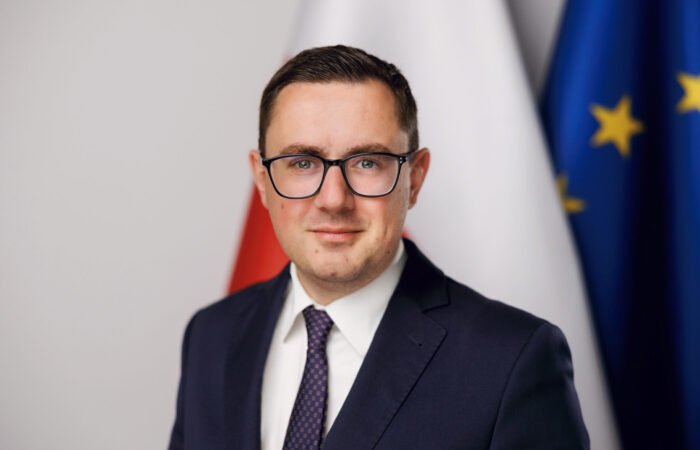
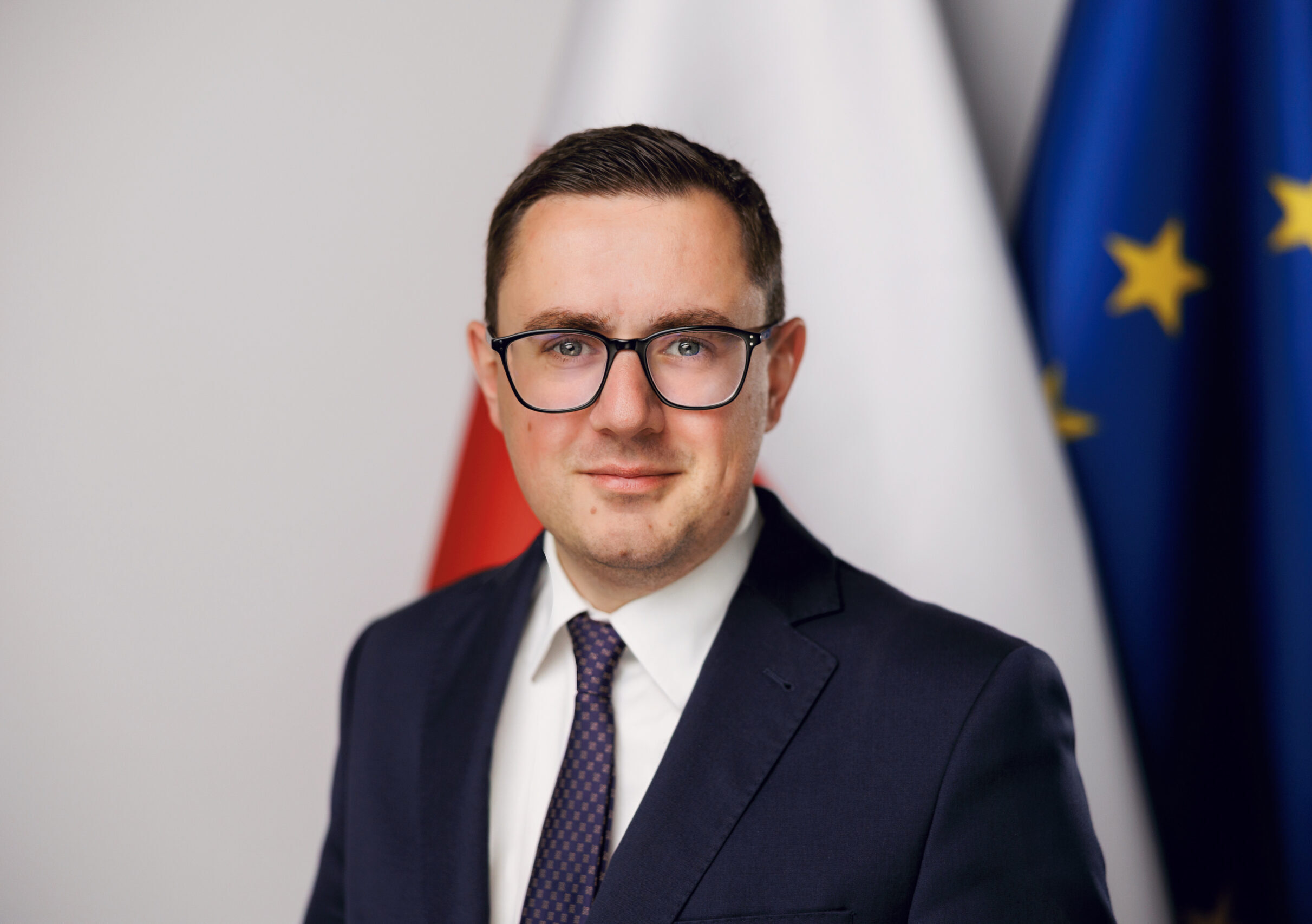
Poland is reshaping its energy system through grid investment, renewable energy reform and a long-term push for greater security of supply. The country’s changing power mix, infrastructure plans and legislative agenda are becoming increasingly relevant for investors watching Central Europe’s industrial and energy transition. One of the key figures overseeing that shift is Miłosz Motyka, Poland’s first minister of energy, appointed after the creation of the new ministry in August 2025. In an exclusive interview, Motyka discusses Poland’s energy transformation, investment priorities, grid resilience and the country’s view of energy independence in Europe.
Q: How would you describe your vision for Poland’s energy future?
Miłosz Motyka, minister of energy: The ministry was established to concentrate and develop energy transformation in Poland. There were several objectives established in the summer of last year that would be beneficial to energy transformation and the development of the Polish economy. Energy transformation places a lot of emphasis on strategy and legislation that is going to support the development of the grid as well as energy sources. This would guarantee the appropriate capacities within the grid system while providing low prices.
We have several challenges related to this process, and an example of this is the development of onshore wind farms, which is a very extensive and lengthy process. Poland has one of the highest shares of coal in its energy mix in the European Union, which contributes to higher costs for industry. One of our first objectives is to simplify procedures, and we have the first legislation and act behind us in that area. We also have record-level investments in the grid, better integration of energy with the grid and energy capacity, while also allocating our resources and activities in large-scale nuclear power plants and the development of those auxiliary areas.
Q: Why should German investors consider Poland for sustainable energy projects?
MM: Renewable energy sources (RES) and PVs will continue to develop in Poland. One area of emphasis that we are paying attention to currently is the storage of energy. Poland is at the threshold of legislative changes in the RES area. We want to shorten and simplify certain procedures and aspects while carrying out extremely important investments. RES, storage capacities and nuclear power plants are going to be relevant components and aspects to the development of the Polish economy as well as enticing investments in the energy sector.
Q: How is Poland strengthening its grid and energy infrastructure for investors?
MM: The areas of change are vast in Poland. New energy sources require expansion and investment in the grid, and there is a focus on developing those areas. The age of those grid solutions and the condition of the grid is particularly important. Most investments in grid capacity and energy sources in the Małopolska area are in coal-based and coal-fired energy sources. Now our greatest energy-generating sources are going to be expanded in the north, where we are developing a nuclear power plant, PV investments, offshore and onshore wind farms and large-scale energy storage, which are already under construction. This is a 180-degree turn, and will drive investments in distribution, generation and storage, and will be conducive to the consumption of energy. Substantial investments in grid infrastructure and energy generation are planned between 2024 and 2030.
We are also amending legislation appropriately so that we can both plug in and hook up to energy sources and storage sources in one area through cable pooling. This also allows us to level losses on distribution and generation, while integrating power sources with gas units that will be cooperating with those traditional sources, as well as RES. Poland is a large construction area in terms of the energy sector, from the north to the south.
Q: How is the ministry supporting stability in Poland’s energy market?
MM: We moved away from price freezing at the beginning of 2026 as it is no longer needed. Energy prices have stabilised with better integration of our renewable energy resources. In recent years, energy subsidies have amounted to several billion PLN annually, and the current level of energy prices allows for savings in this area. So, it is particularly important that our system is increasingly reliable through new energy sources that are available and plugged into the system, as well as the experiences we gained from the events in the Iberian Peninsula last year.
The anti-blackout package was a result of our discussions with the minister of energy in Spain and the European Commission. All the energy-generating sources, both dispersed and professional as well as large energy sources, should be visible to the national power grid. Another component of the package is to support local sources to ensure our energy position and independence.
The situation on the Iberian Peninsula was an important lesson for all of us, and while there has been public debate, the main causes identified relate to grid stability and system operation rather than renewable energy itself. One of the most important lessons we have learned in that situation is to counteract disinformation because there is an inclination to blame renewables. Similar disruptions have occurred in places such as South Africa, Texas and Japan, although their causes have varied depending on local conditions and energy system structures.
Q: What role does Poland play in Europe’s energy independence?
MM: Poland started its process of energy independence years ago. All of the recent investments in Poland related to the expansion, reliability and security of our energy infrastructure are to ensure Poland’s security. In 2014, 80% of gas imports were from Russia, but we started drastically lowering gas imports in 2023. This is represented by several different investments including the LNG terminal, Naftoport, the pipelines and other generating sources.
We believe that independence from Russian energy supplies is critical – this means both gas imports, which we have now done at the EU level, and oil imports. We hope that the European Commission delivers a swift proposal to phase out oil in this respect.
Before the situation in the Middle East developed, we spoke with one of the ministers of energy in Washington about the situation in Hungary and Slovakia, where even though they benefited from gas and diesel from Russia, the prices remain high. From an economic and security standpoint, our decisions were more accurate.
Q: How have your previous roles shaped your leadership style?
MM: It is relevant and important to be consistent. Being part of any representative bodies, the aspiration is to prioritise aspects related to energy and security every year. This is a trend that we can see in most EU countries, and the younger generation is placing emphasis on. The aim of this policy is to guarantee both energy stability and independence of energy sources. With the current geopolitical situation, it is crucial that we guarantee and develop our own stable energy sources. In the decades to come, I hope I have been conducive to developing and bringing forward something positive for Poland’s development, and for other countries in the region.
Poland and other countries in the region are close to reaching a diversified energy mix, and I agree that the EU should aim to establish democracy and ensure the region is competitive. We should strengthen European structures as well as transparency.