As published in

The financial year 2024-25 marked a watershed moment for Pakistan’s economy, capped by a historic primary surplus of 2.4% of GDP. Stability has provided the foundation for growth: inflation fell sharply over the period and GDP rose 3.04%, while total foreign exchange reserves surpassed $20 billion by year-end. The stock market also rose 40% – a combination of factors that saw Bloomberg name Pakistan the world’s second-top emerging economy for financial stability.
“With the relentless efforts of the government and the cooperation of both the Pakistani and global business communities, the promise of Pakistan’s development is now on track,” Prime Minister Shehbaz Sharif said in response. These gains follow entry into a 37-month IMF programme designed to entrench macroeconomic stability and deliver structural reforms – part of a broader national strategy for long-term growth.
That strategy is being implemented through coordinated reform, including regulatory modernisation, digital infrastructure and sectoral transformation. Tariff reforms are reducing duties on raw materials and intermediate goods to boost industrial competitiveness. At the same time, tax administration is being streamlined, and cross-ministerial initiatives are focused on expanding export capacity.
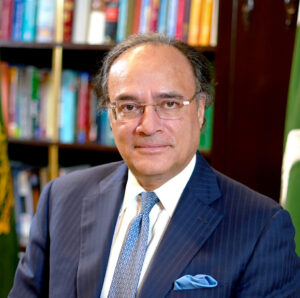
International partnerships are central to this approach. Regulatory cooperation with the UAE, particularly in emerging areas such as digital assets, is already shaping national frameworks, while synergies in priority areas are driving engagement. “Investment is already flowing into ports, and opportunities are opening in oil and gas, minerals and mining, IT, AI and crypto,” says Federal Minister for Finance and Revenue Muhammad Aurangzeb. In the following interview, he outlines the strategic pillars shaping this new trajectory.
Q: How do you define Pakistan’s long-term economic vision?
Our initial goal was to restore market stability. Meeting ministers and sector leaders made it clear that macroeconomic stability is basic hygiene; fiscal and external balances are foundational. By the end of last fiscal year, we had a primary fiscal surplus and, for the first time in many years, a current account surplus, thanks largely to trade and remittances. But stability is not an end in itself: it enables profit and dividend repatriation, free capital flows and financing at reasonable rates.
We have come a long way, with external validation through improving investor sentiment and upgrades from all three major rating agencies. This strengthens our access to markets and international capital. Our focus is not just short-term improvement but lasting stability, avoiding past boom-and-bust cycles.
Q: What are your priorities going forward?
The next priority is reducing the size of government through rightsizing, pension reforms, SOE reforms and ultimately privatisation. Our minister of privatisation has provided a clear roadmap and brings strong professional expertise. It is a critical part of our economic roadmap. The private sector should lead the economy, while government provides the enabling environment.
Q: What role can the UAE play?
We aim for sustainable growth, even if it takes longer than expected. We are shifting to an export-led, investment-driven model. The UAE partnership is central to this, alongside other bilateral partners and market access. Trade with the UAE has grown year on year and remittances from the UAE rose 42%.
Our bilateral partners, especially the UAE, have shown generosity and commitment at the highest level. It is up to us to present investable, bankable projects, which we will continue to develop across sectors.
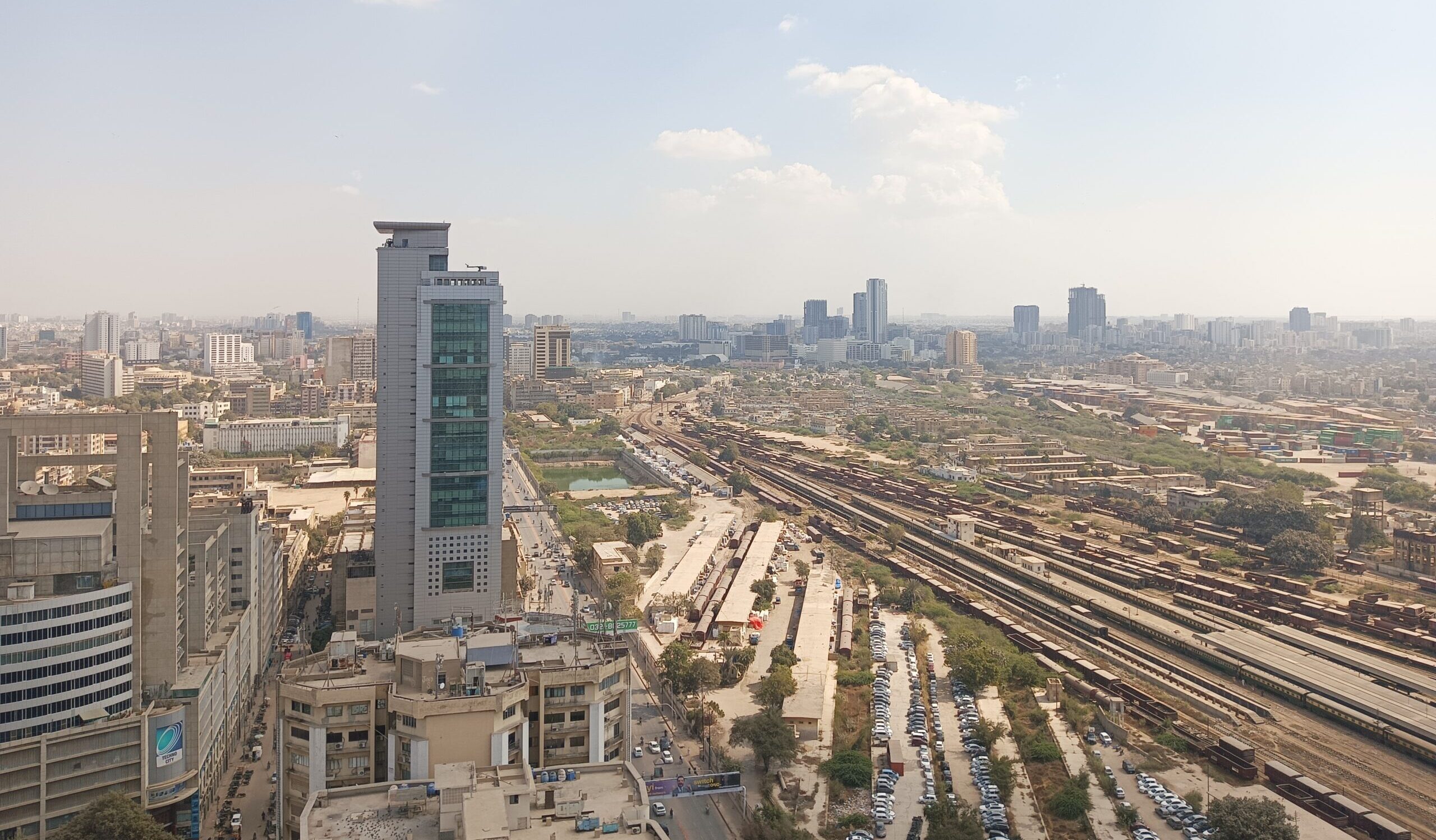
The government’s reform agenda and policy focus are reshaping Pakistan’s appeal to global investors.
Pakistan’s investment appeal is built on scale, policy reform and a strengthened macroeconomic position. Inflation has fallen sharply from a peak of 38% in 2023 to 4.1% in July 2025, while the government posted a primary surplus of 2.4% of GDP in 2025 – the highest in recent decades.
Regulatory streamlining is a central focus. Efforts to reduce bureaucracy across federal and provincial authorities have seen 169 regulatory reforms approved to date, designed to simplify processes and improve coordination, and a new national investment facilitation centre is now operational.
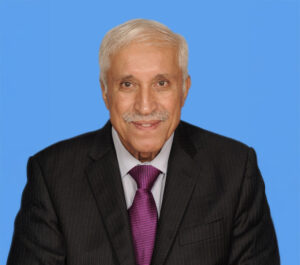
Special economic zones (SEZs) also play a key role. The Board of Investment’s 2025 MoU with the UAE’s International Free Zones Authority is designed to boost investment in Pakistan’s SEZs, which offer long-term tax incentives and customs relief while promoting value-added industries. “The main bottlenecks for investors have been bureaucratic hurdles and lack of clear regulation,” says Federal Minister of Investment Qaiser Ahmed Sheikh. “SEZs now provide greater incentives and opportunities.”
The Pakistan Board of Investment is the key agency for attracting domestic and foreign investors.
Q: What are your current strategic priorities?
The first priority must be investment, both domestic and foreign. Pakistan, the fifth most populous country in the world, is centrally located as a gateway to Central Asia, and our strengths are well recognised. Around 60% of our population is under 30, giving us a strong demographic advantage. The stock exchange has shown phenomenal growth, exports are accelerating and imports are also increasing. We have cordial relations with the UAE and China, making their investment crucial.
Q: How is UAE investment in Pakistan progressing?
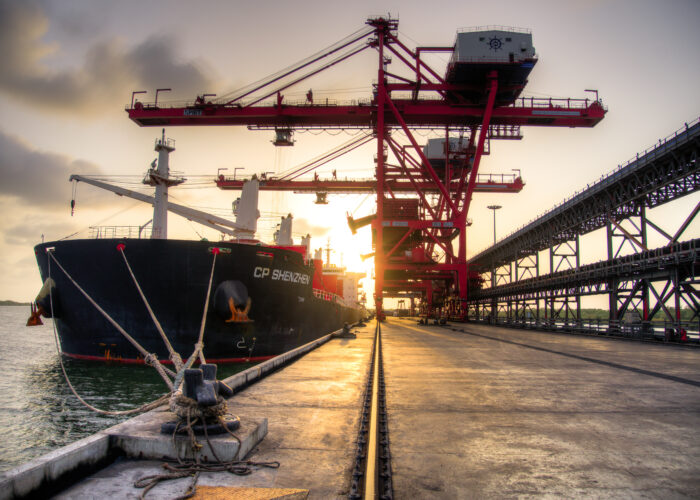
The UAE has pledged $10 billion of investment in Pakistan. Their banks and companies are active, especially in ports such as Karachi Port Trust and Port Qasim. Pakistan offers opportunities in maritime and transport infrastructure, essential for serving as a gateway to Central Asia.
Pakistani investment in UAE real estate is about $12 billion – officially the second largest worldwide. Relations between Pakistan and the UAE are long-term and close, encouraging continued investment both ways.
Q: Which sectors hold the greatest potential for Emirati investors?
Pakistan’s ports have capacity for much larger infrastructure and trade. Currently, imports and exports use only 50–60% of that capacity. With proper transportation links to Central Asia and western China, the potential is vast. All major rating agencies have upgraded Pakistan’s outlook, creating strong prospects for investors.