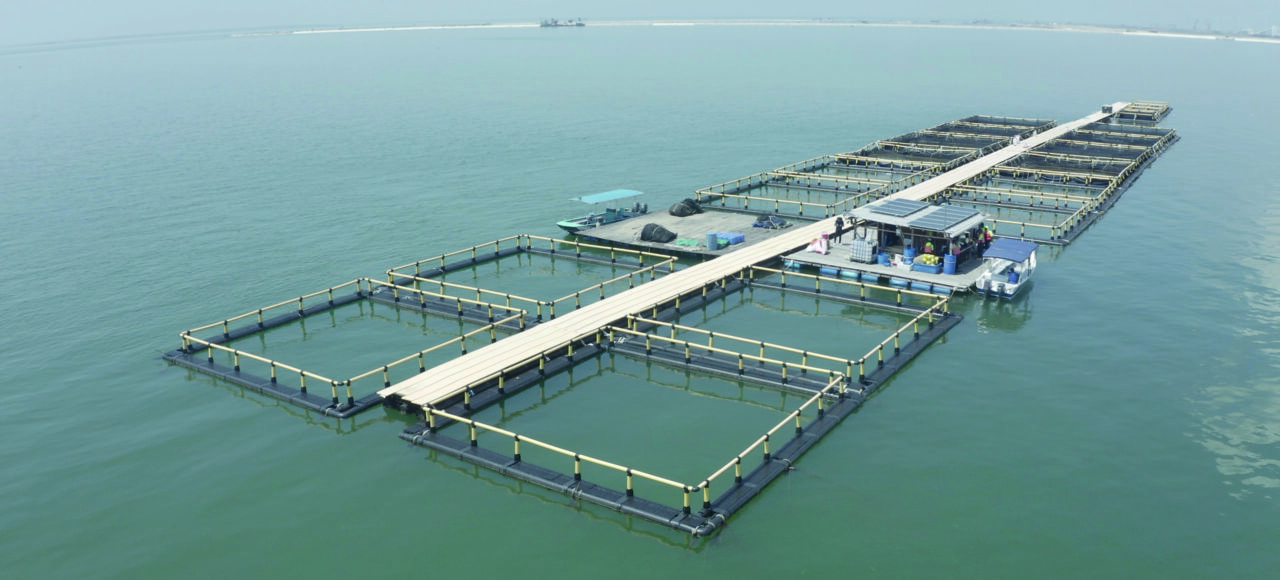
Nestled in the heart of Southeast Asia, Brunei Darussalam, with a population of approximately 450,500, offers a strategic gateway to the burgeoning ASEAN market. This small nation, spanning 5,765 square kilometres, parallels the UAE through the role oil and gas has played in its economic development. However, much like its Middle Eastern counterpart, Brunei is rapidly diversifying, emerging as a regional hub in high-value sectors such as downstream industries, food production, and high-tech services.
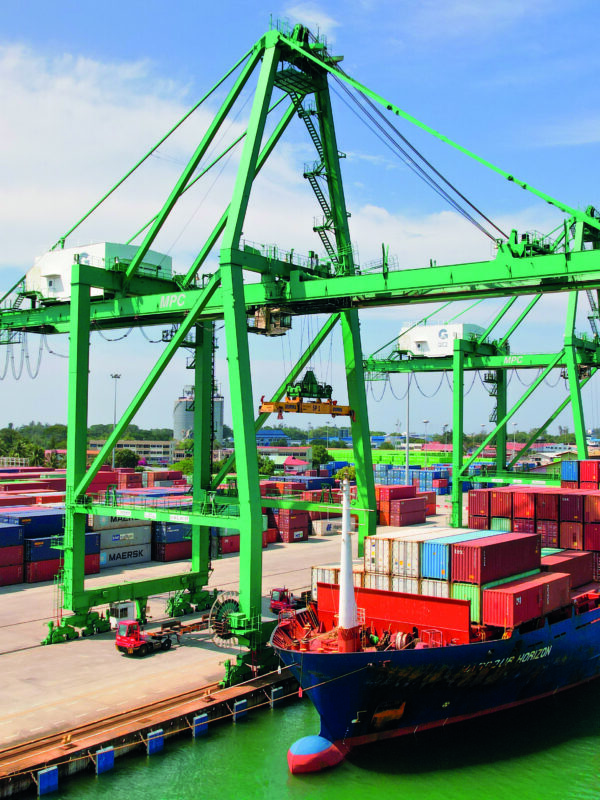
Brunei’s transformation is underpinned by its excellent geographic positioning within ASEAN. A mere three-hour flight from major cities across the region, coupled with regular flights and expanding shipping links through the Muara Port, Brunei offers convenient access to a market of 672 million people. The nation is actively enhancing its trade relations, being a party to major trade agreements, including the Comprehensive and Progressive Agreement for Trans-Pacific Partnership (CPTPP) and the Regional Comprehensive Economic Partnership (RCEP), which collectively reach more than three billion people.
Investors are drawn to Brunei for several compelling reasons. The country allows for full foreign ownership in business, no personal income tax, low corporate taxes at 18.5%; political stability, a historic lack of significant natural disasters and a commitment to environmental sustainability. Its strategic location within ASEAN, legal framework aligned with commonwealth standards, and a highly educated, English-speaking workforce further augment its attractiveness as a business and investment destination. Brunei’s government also actively engages in joint ventures, particularly in high-potential foreign direct investments (FDIs), fostering an environment conducive to growth and innovation.