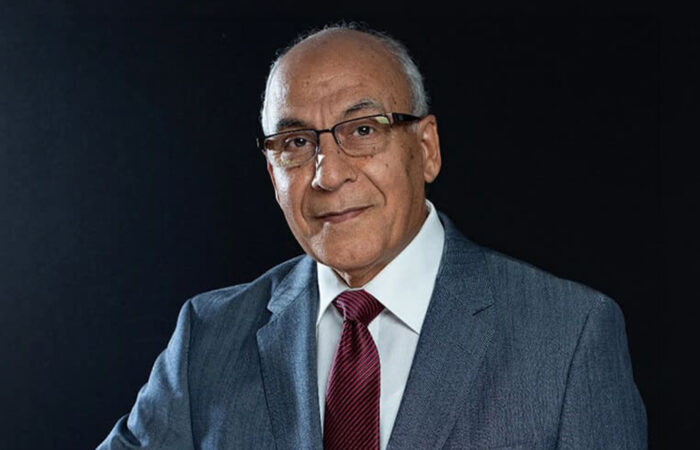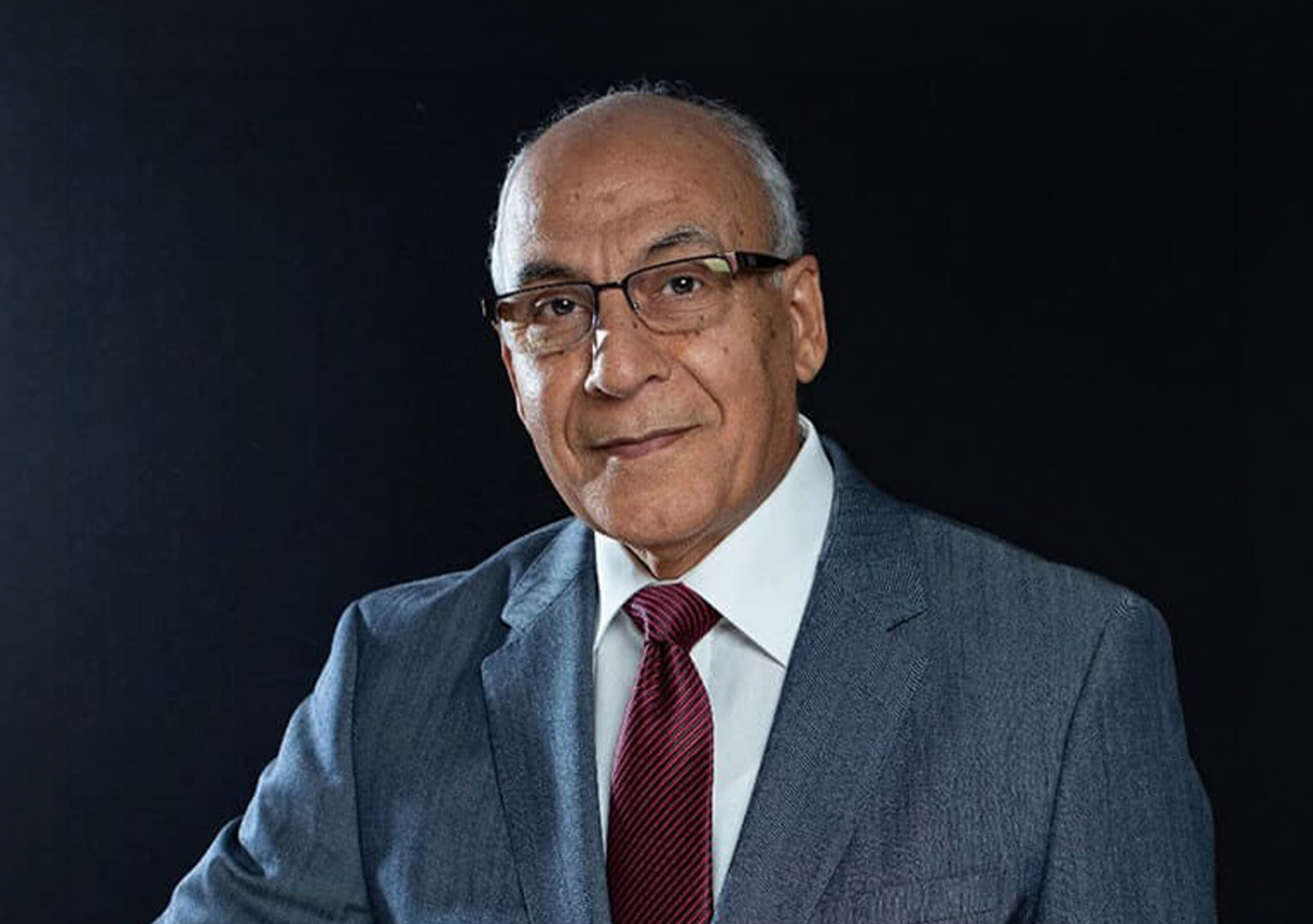

CIRA Education is Egypt’s largest integrated education services provider, operating 30 schools and owning three universities, Badr University in Cairo, Badr University in Assiut and Saxony Egypt University. Founded in 1992, the group spans early years, schools and higher education, serving more than 60,000 students across multiple governorates. In this interview, founder and chairman Dr Hassan El Kalla focuses on Badr University in Cairo as a flagship brand and outlines the group’s current strategy to build cross-border synergies with Gulf partners.
Q: How has your vision for both Badr University in Cairo (BUC) and CIRA Education evolved over time?
Dr. Hassan El Kalla, founder and chairman: A vision and a dream led to the creation of this university. When you have a big dream, you must think about how to achieve it, and the first hurdle people often face is having extremely limited resources. Every Egyptian believes the country should be in a better position than it is today, because of our national capabilities. With this vision in mind, I asked myself what I could do to help Egypt move to that next level. I realised there must be a socio-economic transformation, and that the path to achieving it is through human development.
Education and healthcare are inseparable and are the main pillars of human development. I chose to work with people who shared the same beliefs, values and vision. We took into consideration the limitations of resources, and we started creating a successful model to convince others to adopt it, so we could begin the education process and create a critical population. Our effort then moved towards a vertical system from K–12 into universities, then to vocational training and applied education. We are now working on early childhood education to build a full continuum. We are also working on establishing the first labour management system in Egypt, which will enable graduates everywhere who are looking for jobs to prepare themselves for the job market. We identify those seeking employment, give them the necessary preparation and education, and connect them with those looking for employees.
In addition, healthcare is just as important as education because it is an essential part of human development. A person must be healthy and in good mental condition to be able to learn and produce. We built the largest primary health-related project in the Middle East, called CapitalMed Healthcare City.
Q: How are you executing this strategy?
Dr. HEK: Vocational education is the missing link in the Egyptian education system, even though the broader educational network in Egypt is strong and widespread. However, we need to fine-tune the system with institutes and governmental entities because vocational training has been neglected for a long time. We cannot claim to have a real footprint in education without giving proper attention to this sector and its connection to the job market. This is why the university in Egypt came later, as it is extremely expensive to build the labs, simulators and other requirements needed for vocational education.
We are taking an incremental approach by building one programme after another until all of them are operational, and they will eventually cover all specialisations. At the same time, we want to collaborate with other Egyptian institutions to help create the workforce that Egypt needs. One advantage for Egypt is its large population, and we are seeing up to 30 billion Egyptian pounds remitted from Egyptians working abroad.
Q: Can you explain how CIRA Care builds opportunities?
Dr. HEK: When we created CIRA Care, we were responding to the needs of the Egyptian population, including elderly care, people with disabilities and people with special needs. We wanted to create a vehicle and a model through which others could learn different capabilities to support Egyptian communities. Most of the time, we create a start-up to address the gaps or needs we see in Egypt, and we urge other organisations to help tackle these challenges by contributing. We do not want to do everything alone; our main role is to lead, direct and support everyone in achieving the original cause, which is to further develop Egypt.
Q: What are some of the synergies you have with the UAE?
Dr. HEK: The UAE’s development is something to be studied, because they were able to capitalise on the resources they have, which made the UAE the leading hub in the Middle East. Sheikh Mohammed bin Rashid Al Maktoum saw the potential of Dubai before anyone else could see it, which is inspiring for everybody. No successful business can truly grow without connecting to the Gulf, especially the UAE. We recently began our partnership with the Saudi Investment Fund, and this year we opened our first project in Saudi Arabia by launching a school in Riyadh. We are now looking at expanding to the UAE and other countries in the region, including North Africa and Iraq. Working with Dubai and the UAE is one of our priorities.
Q: How would you describe your approach towards innovation?
Dr. HEK: Egypt has around 150 universities, and we did not want to be just another number. We wanted to leave a leading mark in Egyptian higher education, helping us address the dreams of the young men and women of Egypt. We chose to be extremely specific about the needs of these kids and to adapt to the demands of modern life and this new generation of young people. We are working with people under 20, and we are trying to understand what they really want and what they are looking forward to in their future lives, and we begin addressing those needs gradually. These issues include community development, sustainability, the environment, innovation and multidisciplinary education. We offer students diverse types of education, which is not often the case at other Egyptian universities. We are constantly working to improve our performance every year.
Q: What are your proudest moments, and what are you looking forward to?
Dr. HEK: I started as a medical doctor, and then I studied public health to broaden my view of the healthcare system. But working in the government system in Egypt enabled me to have different skills in different domains. I used all those resources to better serve the purpose of achieving my vision. A lot of what I have today is thanks to my time with the Ministry of Health because they allowed me to work with international organisations and get an education at different universities. I was able to study at Texas University, Ohio State University, Boston University, Harvard University and Johns Hopkins University because of my time with the ministry.
I am working towards completing the overall vision of creating the locomotive that will take Egypt forward. We are currently working on a new project called the Egyptian Alliance for Education, which intends to reach the grassroots, where we will build, over five years, hundreds of schools to cover all of Egypt. We want every school to be no more than 7km from any household in the country. I do not want to see children taking transportation and commuting long distances to go to school; I want to bring schools to where children live. In addition, we want these educational centres to become magnet schools. We need to skill-up the teaching staff beyond classroom management, while also providing virtual education to connect with households, improve living conditions and empower women. There are many young women who are not working and are staying at home, and we need to reach them and give them opportunities.
On the other hand, we plan to use CapitalMed Healthcare City to transform the way healthcare is delivered in Egypt. We are working on creating the first platform to bring healthcare directly into Egyptian homes. We should not have to wait until people are sick before they come to the hospital.
Our university is at 100% occupancy with more than 25,000 students today. They come to us because we listen to them, and we help them achieve what they want. In addition, we are doing our best to give them an enriching campus life, which is a different approach to most traditional schools.
Q: Why should investors consider Egypt?
Dr. HEK: Egypt offers an excellent opportunity, and if investors do not start now, the country will lose a great deal overall. We have an extraordinarily strong workforce with affordable labour. In addition, Egypt is in a prime location with a favourable climate year-round. It is also connected to both the Mediterranean and Red Seas.
We are the best partners for the UAE because we share a great deal of culture and passion, giving investments a soul. It is important to have a return on investment, but having a soul brings even greater satisfaction because of the human impact. Egypt is the backbone of the region, and if it is strong, everyone will be fine.
When I started my career, I was given the opportunity by the Ministry of Health to acquire such a diverse education. The project I was managing eventually ended, and five years later USAID sent a group to Egypt to evaluate the project I had managed. By then, I was no longer with the ministry, and when I was asked what my contribution to Egypt was, I explained that my diverse experiences and opportunities had brought me to where I am today. Without those opportunities, I would have simply continued as a medical practitioner. I want to be able to replicate my experiences for everyone in Egypt. My final mission is to be an enabler.