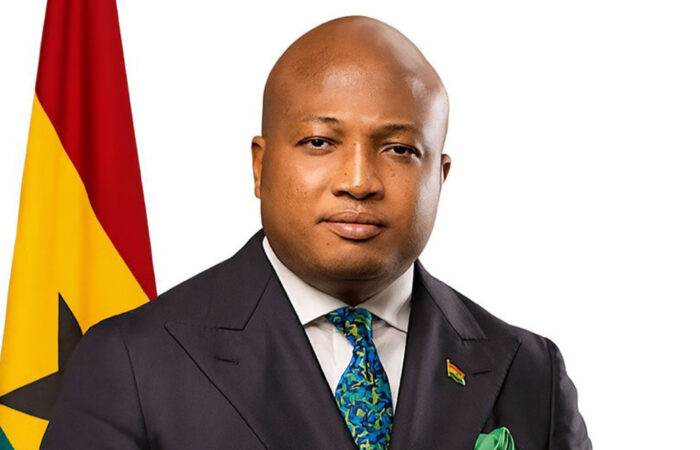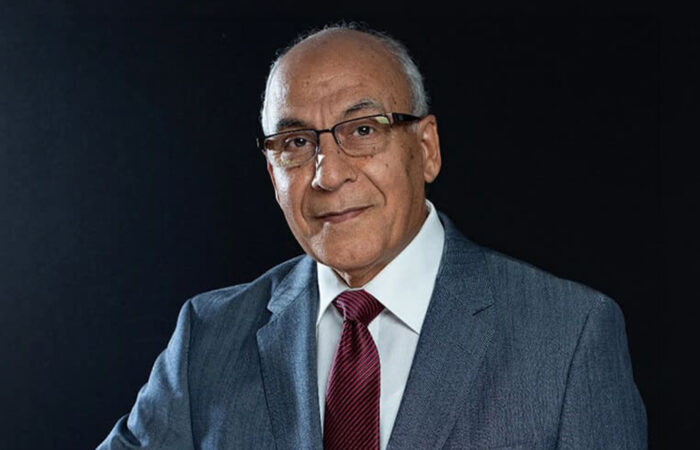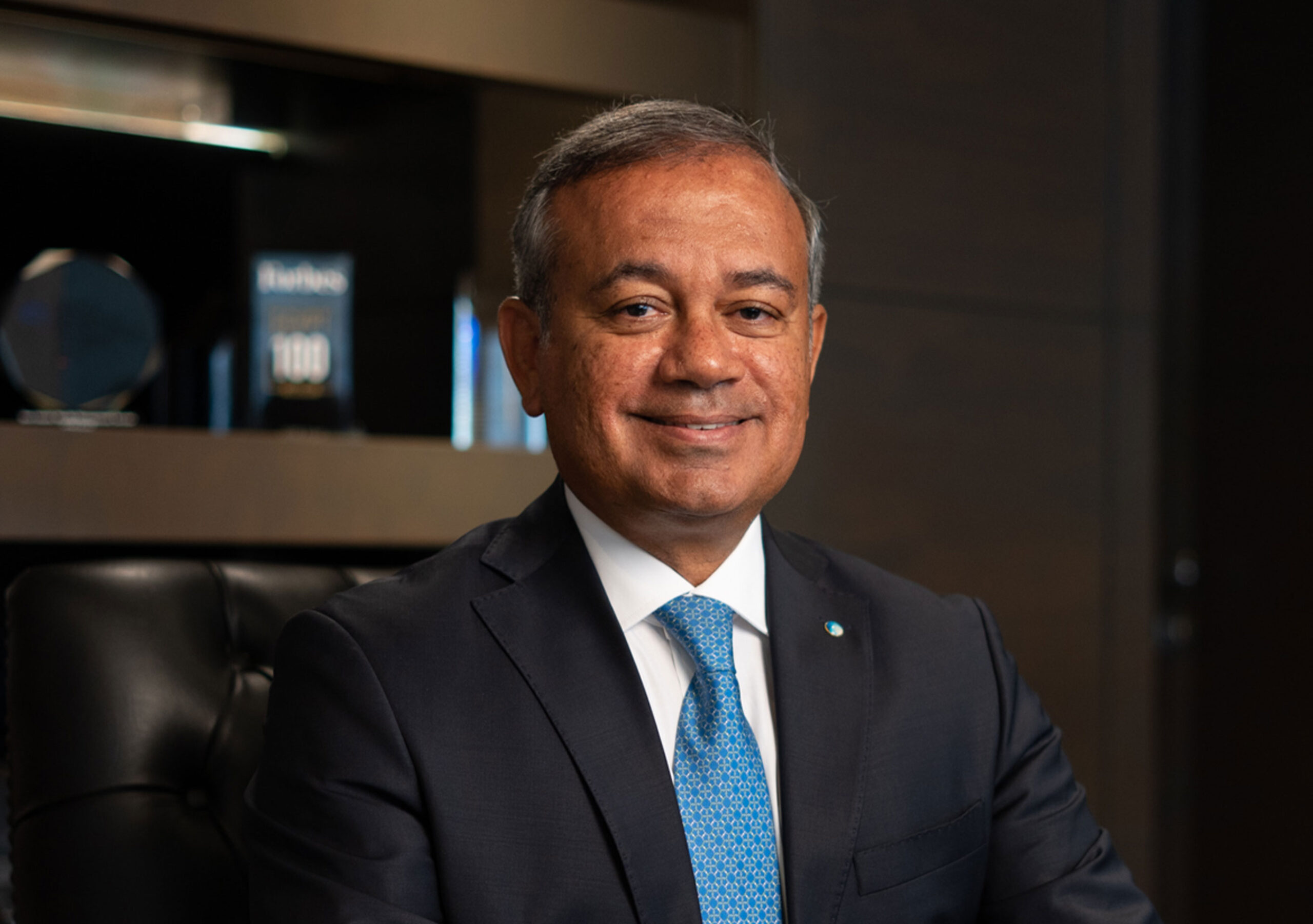
Since Mohamed Aly’s appointment as CEO in 2017, Abu Dhabi Islamic Bank-Egypt (ADIB-Egypt) has paired a strengthened Sharia-compliance framework with a growth strategy that has moved the bank from niche positioning into the country’s top tier, alongside record performance in 2024. As UAE investment into Egypt deepens, the bank is positioning itself as a practical bridge for cross-border flows, using faster transfer capabilities and streamlined account access to reduce friction for customers operating in both markets. In this interview, Aly explains how the Sukuk Law and sovereign issuances are reshaping Egypt’s Islamic finance market and ADIB-Egypt’s growth trajectory.
Q: How has your vision for the bank evolved since your appointment in 2017?
Mohamed Aly, CEO: There were a lot of changes that needed to be made to the Islamic finance market in Egypt when I joined the company, which included the introduction of the Sukuk Law. When we spoke with the Central Bank and the Ministry of Finance, we explained that the size of the Islamic finance market in Egypt was exceedingly small compared to the rest of the world, and that what was missing was the Sukuk Law to regularise the market in Egypt. We worked on this law with the Ministry of Finance from February 2019 until it was approved by the President in July 2022. The executive regulation was issued in December 2022, with the first sovereign Sukuk issuance in foreign currency launched in 2023, and the second one launched last month. The Minister of Finance has advised that local currency Sukuks will be issued by next month. These changes strengthen and complement the Islamic finance market in Egypt.
These changes were a turning point for our Sharia discipline position in Egypt, and they enabled us to increase our capital. Once we received approval from our Sharia Department, based on the approval of the Sukuk Law, we were able to increase our capital and consolidate with the head office from 2023.
Q: How is ADIB-Egypt positioned among other stakeholders?
MA: Our focus over the past year has been to consistently improve our service quality. We had to concentrate on a specific segment that matched our financial capabilities, given the capital constraints we faced while waiting to become fully Sharia compliant. We focused on the high segment, with an emphasis on wealth management and upgrading our branches. Our customers at that time were mostly in the A and A+ segments; they were not large in number, but the level of service required and delivered was of the highest standard. We were perceived as a niche bank that prioritised quality service.
We are still opening new branches, and the current number in Egypt stands at 74. The market in Egypt is encouraging us to open additional branches to serve our customers and provide better services. Despite improvements in technology, the nature of our customers means they still prefer visiting physical branches. We expect to reach 77 to 78 branches by the end of the year, with nine new branches planned for next year. Our current number of ATMs is also expected to increase to 267 as new machines arrive at the end of Q2 and are deployed by Q3.
We would have considered ourselves to be in Tier C of the small banks in Egypt seven to eight years ago, but by Q4 of last year we had entered the Top 10 banks in Egypt and become the largest Islamic bank in the country. I expect ADIB-Egypt to reach the Top 8 by the end of Q3 this year, as we continue to capture market share and improve our ranking in Egypt.
Q: What factors were most instrumental in driving record performance in 2024?
MA: When we resolved the issues and constraints related to the capital increase, we began shifting our strategy towards growth. We have different segments within the bank, including retail, wholesale and corporate banking. In retail, we had fewer than 300,000 customers until the end of 2022, but this began to grow in 2023 after we targeted the A- and B+ segments. Our target is to reach one million customers within five years; currently, we are at 770,000, and we expect to reach one million in 2026, well ahead of target.
As for our other segments, we also work with small-to-medium businesses, multinationals and the public sector. Corporate banking is also growing at a pace that is faster than the market and will continue to do so throughout the year. The results for the first half of 2025 extend the growth we saw in 2024, which was positively impacted by last year’s 8% increase in the interest rate. There has been no interest rate increase this year, but our net income in Q2 has risen by 36%, our net commission by 40% and gross financing by 27%. This reflects annual asset growth of around 50%, supported by customer deposits increasing by 17% or approximately 35% per annum. We operate a highly efficient model with a cost-to-income ratio of 16.4% and an exceptional return on equity of 49%. This year, we have also seen a total of 6.25 percentage points in interest rate cuts.
Q: How are you positioning ADIB-Egypt to capture synergies between the UAE and Egypt?
MA: We welcome all investments coming from the UAE, and we strive to make the experience as easy and streamlined as possible. We have introduced our WASEL account, which operates between Egypt and our head office in the UAE and allows money transfers at very high speed with preferential rates. It also provides greater ease in opening accounts both locally and in the UAE.
There is strong focus on the real estate sector, but tourism remains crucial. At the same time, there is growing emphasis on agriculture for export. We always look at the areas in which Egypt excels, such as its pleasant weather, excellent beaches on the North Coast and the Red Sea and its competitive labour costs. Many international factories have shifted their activities to Egypt because it makes their business model cheaper and more efficient. Egypt is attractive for investors because we have a growing market that creates a large consumption base, as well as a cost-effective and efficient labour force that supports exporters and corporate businesses. In addition, we offer beautiful weather and beaches.
Q: How are you approaching innovation?
MA: Providing quality service is continuous, and we are currently working on completely changing our mobile application and our online banking platform. The changes began in January 2025 and are expected to be completed by mid-2026, with a total value of EGP 1 billion, partially supported by the head office. This upgrade will completely transform the mobile app experience with the objective of improving the service provided to our customers.
The dual tranche falls under the second Sukuk issuance. The launch is at US$1.5 billion and is expected to reach US$9.4 billion, with the yield projected at 6.375% for 3.5 years, compared to the first Sukuk issued in February 2023, which carried a yield of 11%. After seven years, the yield now stands at 7.99%. We were an integral part of delivering this launch while working with the Ministry of Finance. The improvement in the rate reflects the improvement in Egypt’s economic situation. We are enormously proud of being the founders of the sovereign Sukuk market in Egypt. I expect us to be game-changers when the local currency Sukuk is issued, as it will be a crucial instrument for both local and international investors seeking to invest in Sharia-compliant local currency sovereign structures.
Q: How would you describe your leadership style?
MA: When I joined Chase, I started in the operations department despite wanting to work in corporate banking. It was not my ideal role, but it turned out to be one of the best things that happened to me because it gave me insight into the engine room of the bank and a technical capability that supported my understanding of all banking services. After moving into corporate banking, I then joined the Export Development Bank, which offered a completely different set of experiences. It was a major shift moving from a US bank to a government bank, and by the end of the first five-year cycle, I was able to judge what worked well and what did not, particularly in corporate banking. I understood what went wrong in the decisions taken during that first cycle. It was not an experience I would have had at Chase, where the financing model was stable and mistakes were fewer. However, Chase allowed me to learn how to work closely with industry partners.
At Chase, we worked mainly with the automotive sector, but at the Export Development Bank, I was expected to deal with every industry and even financed films, since Egypt continues to export media to the Arab market. When I joined American Express, the focus was on managing and adapting to change as the company decided to exit corporate banking, and I was tasked with overseeing retail and private banking.
After that, I worked with three UAE banks; National Bank of Abu Dhabi, Mashreq Bank and ADIB-Egypt. Each UAE bank has a completely distinct style of ownership and management, yet they all share the ambition of meeting international standards, constantly striving to become better than they are today.
Q: Why should investors consider Egypt?
MA: I have been in the local market since the mid-80s, and I have never seen a company enter with such an excellent product and strong faith in the market. The market is stable with solid demand, and all the UAE companies that came to Egypt and invested have been able to grow despite tough conditions. We acquired one of the toughest banks in the market and managed it in a way that guaranteed its success.