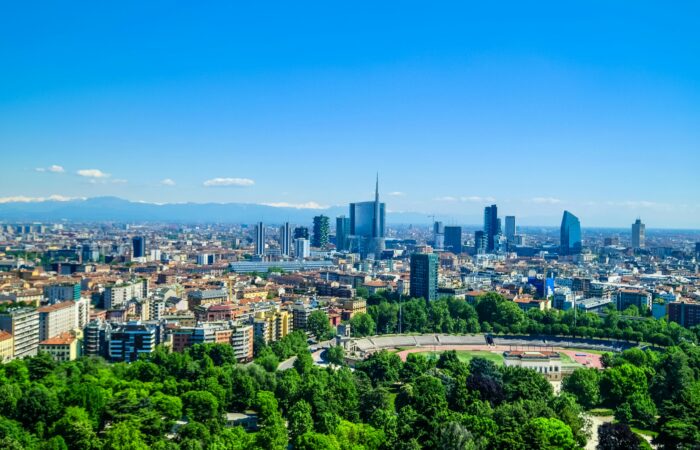
Despite a challenging global climate, official statistics from February this year revealed the Italian economy grew by 0.5% in the last quarter of 2023 – outpacing many of its EU peers.
The general outlook for the country’s businesses in 2024 is equally positive. The Bank of Italy is forecasting 0.6% growth this year, as the government continues to focus on post-pandemic recovery through its implementation of the EC-backed National Recovery and Resilience Plan (NRRP) – a scheme that will distribute more than €190bn-worth of loans and grants over the next two years.
Italy is the second-largest manufacturing country in Europe, with intra-EU trade accounting for half of its exports. Italy’s automotive, manufacturing and pharmaceutical sectors have been especially strong in recent years. Pharma revenues alone are expected to top €15bn this year, driven by a strong focus on research and development and advanced healthcare infrastructure. The automotive sector is buoyant, too. Historically fuelled by vehicle and component manufacture, the industry is now being shaped by the market for electric vehicles and the increasing demand for advanced safety, connectivity and driver-assist features. The government is backing a plan to increase vehicle production within Italy, focusing on improving efficiencies and on creating opportunities for green transition investments to help stimulate growth and innovation in the sector.

In fact, innovation is likely to be a key factor in Italy’s continued economic growth. Organisations in every sector are already seeing the benefits of harnessing the advanced manufacturing technologies that improve output and reduce costs. Italian businesses are investing billions in the automation, robotics and IoT systems needed to optimise workforce and production processes.
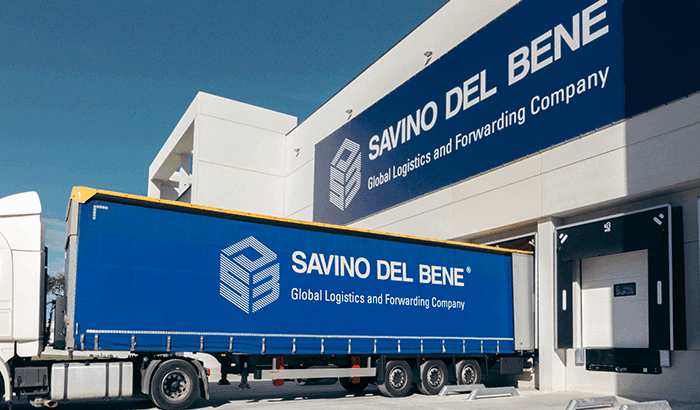
Italy has plenty of business success stories – companies that have grown from regional roots to become international trailblazers. Global shipping and logistics company Savino Del Bene has a 125-year pedigree, having expanded a local freight business into an impressive logistics operation with 300 locations in 60 countries worldwide and annual revenues of €4.5bn. “Our growth focuses on our company’s reach, and this is through expanding our networks,” explains President and CEO Paolo Nocentini. “Despite tough trading conditions, we continue investing because there is room for us to grow; Italy is first in these activities, but we are also investing in Germany and France.”
Marangoni S.p.A. is a world leader in the green tire industry, allying pioneering techniques and innovative products to create a circular economy for the sector.
With a presence in more than 100 countries, Marangoni S.p.A. is a global force in the tire industry. Focused on innovation and embracing a circular economy, the firm is the only international company to specialize in tire retreading, a greener and more sustainable approach to tire use.
“Retreading is a form of reviving a tire with premium quality material,” explains President and Chairman Vittorio Marangoni, emphasizing the environmental focus that underpins his vision for the firm. With 70% savings in raw material and energy usage, the benefits of retreading are clear. “The world is moving towards zero environmental impact, and retreading is one of those systems that could bring that goal closer to reality.”
With over 1,000 employees, including a significant presence in Germany, Marangoni sees technology and sustainability as the twin pillars of the company’s future. Having already integrated automation into its physical processes, the firm is now examining ways AI can help increase quality and drive process efficiency. “Our strength lies in the tools we use in the business because it focuses on innovation to ensure we are the best in the sector.”
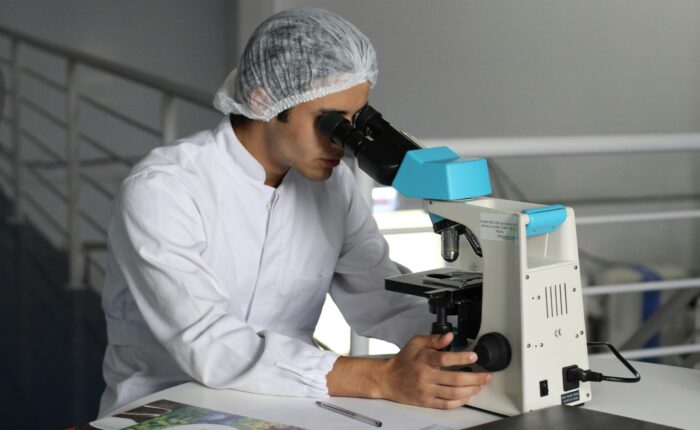
Italy’s buoyant pharmaceutical market has been characterised by strong growth, investment and innovation in recent years, bolstering the nation’s position as a global leader in the sector. Generating a production value of €49 billion in 2023, the industry employs more than 68,000 people, contributing around 2% of GDP. Yet its importance to both Italy and Europe transcends economic value.
“This is an industry that helps citizens live longer and better,” explains Marcello Cattani, president of industry association Farmindustria, who views the sector as a key asset for Italy – one that requires nurture in the face of global competition and changing intellectual property legislation.
“This is an industry that helps citizens live longer and better,” explains Marcello Cattani, president of industry association Farmindustria, who views the sector as a key asset for Italy – one that requires nurture in the face of global competition and changing intellectual property legislation.
With bilateral pharmaceutical trade valued at €15 billion in 2022, synergies with German counterparts form the backbone of a vital relationship – one Cattani wants to leverage further: “The cooperation with the German sister association, their industries and manufacturers is of critical importance,” he says. “We must continue to push for more awareness of the value and potential of the European pharmaceutical industry.”