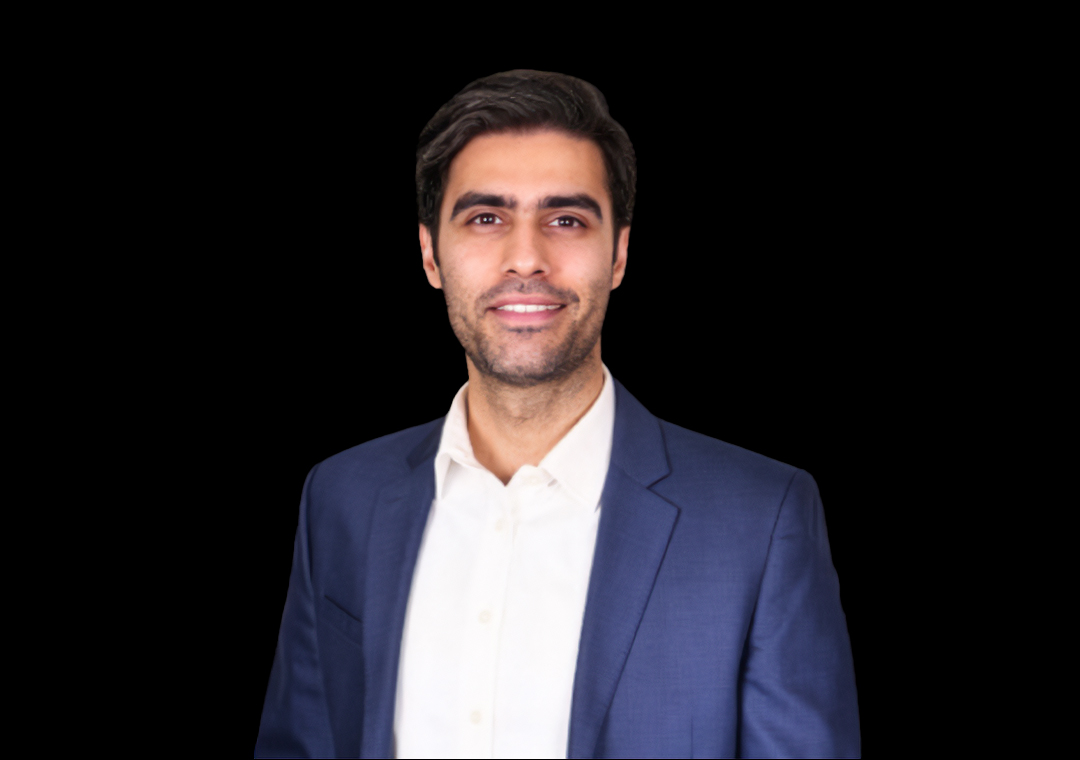

Under Karim Teli’s leadership, IGLOO Pakistan has moved beyond its legacy as an ice cream brand to build a diversified food and FMCG portfolio with growing export ambitions. As the company expands to international markets and enters the UAE, its strategy blends local taste leadership, disciplined innovation and selective international expansion.
Read selected extracts from the interview below.
Q: Which strategic decisions underpin IGLOO’s business model shift?
Karim Teli: I joined the company 13 years ago as a Director. This is my 14th year. I was later promoted to Managing Director and CEO. IGLOO has diversified its portfolio and is no longer just an ice cream company; it has evolved into a broader food and FMCG company. Established in 1971, it is now more than 55 years old.
Over the past 10 years, we have transformed the company. In addition to ice cream, we now produce frozen foods, including paratha, puri, chapati and other ethnic snacks for export. This year, we made our first export shipment to Dubai.
We also produce industrial chocolate and are one of Pakistan’s largest manufacturers of chocolate chips for use in cookies, biscuits and cakes. We supply chocolate slabs to bakeries, restaurants, cafés and the HoReCa sector. Our mango ice cream uses Pakistani mango pulp, which gives it a naturally sweet profile.
In our chocolate division, we produce chocolates, coatings, couvertures and spreads. We also have a cheese division that manufactures processed and analogue mozzarella and cheddar, supplying pizzerias across Pakistan. Additionally, we are developing vegan cheese for future export.
These are the four main segments we operate in. Beyond that, we run “Dip Shop,” our ice cream parlour brand, with multiple locations in Karachi, offering a customisable ice cream experience.
I oversee the food division of the group. The group itself has multiple business units, including textiles, crown enclosures and flexible packaging, with food being the division I manage.
Q: How do you manage the reputation of a 50-year-old company?
KT: We believe in quality. As a local, homegrown brand, not an MNC, we operate in a market where multinational companies enter with heavy marketing budgets. Our strategy focuses on delivering quality, quantity and competitive pricing, because that is what local consumers value. We aim not for one-time customers but for repeat buyers.
We emphasise innovation, especially around local products and delicacies, an area where many competitors do not invest. We take calculated risks by introducing new products regularly, which keeps customers engaged. When we launch a novelty or limited-edition product, consumers often shift from their usual buying patterns to try something new. Once they experience the quality, they tend to remember the brand and ultimately shift toward it.
Q: How do you describe your current market position?
KT: Customer preference ultimately determines success, and our quality and taste keep customers loyal. If someone tries the three major brands in the market, they can easily identify which one delivers better quality.
We conduct regular market surveys and take customer feedback seriously. We want to understand what consumers like, what they prefer, and what they want in an ice cream. When trends emerge, such as the popularity of black cookies, Lotus Biscoff or similar flavours, we respond quickly by developing products like cookies-and-cream.
When the Middle Eastern market popularised a Dubai chocolate with kunafa, we created a local, limited-edition version. People love trying new products, and when the quality is strong, the brand resonates with new age groups. This is especially important given Pakistan’s rapidly growing youth population.
Introducing innovative, trend-driven products is also cost-effective. If an item becomes a viral hit, it generates its own momentum without the heavy TV or radio advertising that multinationals rely on. Pakistan is highly social-media-centric, so consumers follow trends closely, and we leverage that behaviour to reach them efficiently.
Q: How have trade shows driven export readiness?
KT: We have received a tremendous response internationally. Many locals abroad, whom we now consider expats, grew up in Pakistan and have a natural attachment to the brand. Whenever we exhibit in any country, Pakistani visitors immediately recognise us because they have seen, heard of or tasted our products during their childhood. Many of them work in distribution or the restaurant business and are interested in adding our products to their portfolios abroad.
Our frozen product range performs especially well because the broader South Asian, or “desi”, population shares similar food preferences. Whether Indian, Pakistani, Bangladeshi or Tamil, consumers enjoy items like frozen paratha. When these products enter such markets, they are quickly adopted.
We began exports last year. Our first exhibition was Fine Food Australia, followed by Gulfood. We will be participating in Gulfood again this coming January, as it has been moved earlier due to Ramadan. Although we are still new to exports, we have entered strong markets. I did not expect that our products would gain traction as far as Australia, yet they did. Despite longer shipping times, around 45 days from Pakistan compared to 15 days from European suppliers, our products compete well in both quality and price.
We have now opened new export channels. Just last month, we shipped our first frozen paratha container to Dubai under the “Homemade” brand. I will be visiting next week to review the market response.
Q: How do new formats drive consumer engagement?
KT: We cater to all age and income groups with a complete product portfolio, from small impulse items such as cups, cones and bars to family packs, litre packs, tubs and bulk packs for the HoReCa sector. We supply major restaurants, cafés and institutions across Pakistan, where our products are used for scooping, shakes and desserts.
One of our early strategies addressed Pakistan’s price-conscious market. Around 20 years ago, we introduced brick packs as a cost-effective alternative to tubs. These packs were affordable for any income group and suitable for family consumption, and the concept became a major success. Other brands later replicated it, leading to widespread adoption of the brick-pack format.
Pakistan also has certain popular, generic ice cream SKUs, like the Choc Bar, that every brand offers. However, taste varies based on each brand’s recipe. Our core strength is chocolate, supported by our in-house chocolate factory, which gives our Choc Bar a distinct flavours and strong customer retention.
In the tub category, our premium line called Moments targets premium consumers. It offers unique flavours, such as strawberry cheesecake, dark chocolate, cookies and cream, apple pie, chocolate fudge brownie and chocolate mint, that are not commonly available in the competitive landscape. This variety gives us an edge in marketing, category penetration, and overall brand acceptance.
Q: How is sustainability integrated into operations?
KT: We are taking several initiatives to support sustainability. We use reusable buckets made from virgin plastic, which can be reused and easily recycled. We have also worked with multiple organisations, including the United Nations, to align with various sustainability goals, particularly around reducing plastic.
Over the past eight years, we have reduced the micron size of our packaging to minimise plastic usage and incorporated recycled materials where possible. Our tubs are made from virgin plastic to allow repeated reuse, and we use IML (in-mould labelling) technology. With IML, the label is fused to the tub and cannot be removed, preventing additional plastic waste that typically comes from detachable labels on PET bottles.
We also ran a PET collection programme in which consumers were offered one rupee per returned empty bottle. The goal was to encourage proper disposal and raise awareness about responsible waste management. Through these drives and partnerships, we received positive engagement.
We aim to help consumers, especially in Pakistan, learn and adopt better practices. We believe this is a responsibility shared by all companies operating in the country.
Q: Why should international players invest in Pakistan now?
KT: I believe it is an excellent time to invest in Pakistan. The sooner investors enter, the better, because competition is still relatively low and there are more opportunities available. Many brands are looking to expand both locally and internationally, which creates attractive options for investors.
Entering now allows investors to choose from multiple established companies that may be seeking investment or equity partnerships. This is far more advantageous than entering later and having to build from scratch while taking on 100% of the risk. Partnering with an established player, one that has already mitigated many of the initial challenges, offers a stronger, more strategic path for growth in a market like Pakistan.
Q: How have your leadership roles across textiles, technology, and media shaped your management style?
KT: I have learned a great deal from my journey. People often see the success that comes with senior roles, but behind that success are many failures and lessons. I have worked my way up from the ground level, across sales, marketing and even IT, which I started learning at age 16. Because I have done the work myself, I understand how things operate at every layer of the business.
When you have firsthand experience and stay engaged with your team, you lead more effectively. If someone enters at a senior position without understanding the operational realities, employees can feel disconnected from their leadership. Knowing the ins and outs of the business is what enables growth.
I believe in taking everyone along the journey, and that approach has brought tremendous results. The company has expanded from a single operation to four or five brands, and we have entered the export market. It has been a rewarding journey, and we are hopeful for an even better future, for both Pakistan and our company.