Brunei: A gateway to ASEAN for investors

July 2024

As published in 

Nestled in the heart of Southeast Asia, Brunei Darussalam, with a population of approximately 450,500, offers a strategic gateway to the burgeoning ASEAN market. This small nation, spanning 5,765 square kilometres, parallels the UAE through the role oil and gas has played in its economic development. However, much like its Middle Eastern counterpart, Brunei is rapidly diversifying, emerging as a regional hub in high-value sectors such as downstream industries, food production, and high-tech services.

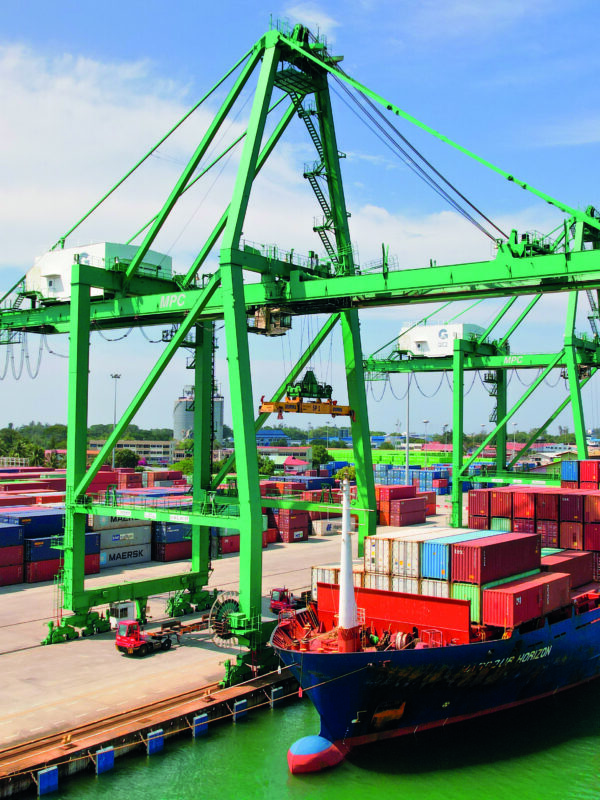
Brunei’s transformation is underpinned by its excellent geographic positioning within ASEAN. A mere three-hour flight from major cities across the region, coupled with regular flights and expanding shipping links through the Muara Port, Brunei offers convenient access to a market of 672 million people. The nation is actively enhancing its trade relations, being a party to major trade agreements, including the Comprehensive and Progressive Agreement for Trans-Pacific Partnership (CPTPP) and the Regional Comprehensive Economic Partnership (RCEP), which collectively reach more than three billion people.

Investors are drawn to Brunei for several compelling reasons. The country allows for full foreign ownership in business, no personal income tax, low corporate taxes at 18.5%; political stability, a historic lack of significant natural disasters and a commitment to environmental sustainability. Its strategic location within ASEAN, legal framework aligned with commonwealth standards, and a highly educated, English-speaking workforce further augment its attractiveness as a business and investment destination. Brunei’s government also actively engages in joint ventures, particularly in high-potential foreign direct investments (FDIs), fostering an environment conducive to growth and innovation.


BRUNEI IS RAPIDLY DIVERSIFYING, EMERGING AS A REGIONAL HUB IN HIGH-VALUE SECTORS.

Central to facilitating these investment opportunities is the Brunei Economic Development Board (BEDB). With a vision to foster a resilient and diversified economy, BEDB’s Investment Promotion and Facilitation (FAST) acts as the focal agency for both foreign and domestic investors. From market and feasibility studies support to ongoing facilitation through its Investors’ Concierge service, BEDB ensures a seamless transition for businesses entering Brunei offering tailored relationship management and extending support from the early stages through to aftercare services once projects are implemented.

Moreover, BEDB Industrial Site Management (ISM) develops and manages industrial parks across the nation tailored to different industrial clusters, ensuring efficiency and fit-for-purpose facilities. The board’s Enterprise Development unit, known as DARe, provides support and resources to local enterprises to spur innovation and growth, thus enabling fruitful collaborations between foreign investors and local businesses.

Looking ahead, Brunei is focused on diversifying its economy through the Economic Blueprint guiding towards achieving its Wawasan (Vision) Brunei 2035. The government has identified five key sectors for economic diversification and investment – downstream oil and gas, food production, tourism, services (including aviation and maritime), and ICT. Each of these sectors presents unique opportunities for investors while drawing on Brunei’s existing strengths. For instance, leveraging its upstream oil & gas capabilities and availability of feedstock from existing petrochemical facilities, Brunei’s downstream sector aims to become a regional chemical hub. In food production, one emphasis is on establishing Brunei as a hub for halal food exports. In all these endeavors, Brunei prioritizes sustainable development and the use of innovative, technology-driven solutions to improve the quality of life for its population.

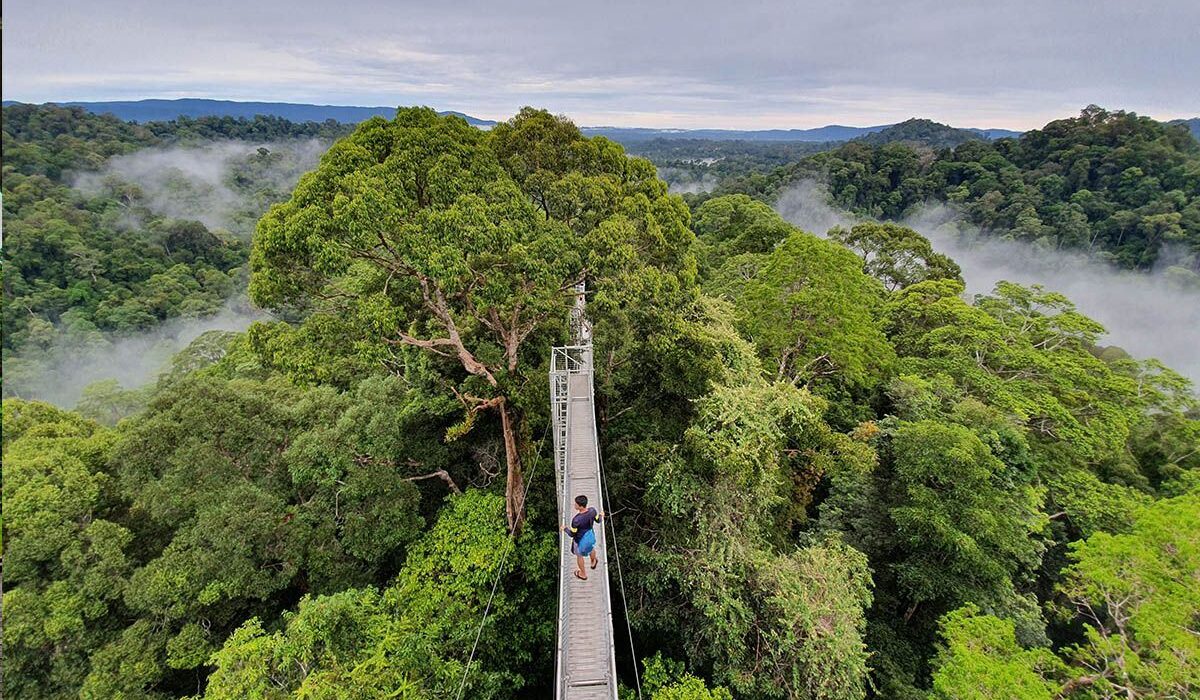
Tourism in Brunei capitalizes on its pristine rainforests and rich biodiversity, offering potential in eco-tourism and cultural experiences. The maritime and aviation sectors are set to transform Brunei into a significant trading and logistics hub through exports and transshipment activities, further enhancing its strategic importance in ASEAN, and the country’s ICT sector has a robust telecommunication infrastructure and educated workforce to set up export-oriented operations.

As Brunei redefines its role in the global and ASEAN markets, it emerges as a significant contender for investment from the UAE and beyond. The efforts of BEDB underscore the country’s commitment to fostering a stable, supportive environment for investors. This commitment to growth and diversification presents UAE investors with a strategic opportunity to tap into the expanding ASEAN economic landscape. For those considering expanding their business or exploring new ventures, Brunei offers a combination of reliability, strategic positioning, and substantial support. Further details on investment opportunities can be accessed through the BEDB’s investment promotion website at www.invest.gov.bn, or by direct inquiry at [email protected].

Powering growth from the land

The Ministry of Primary Resources and Tourism (MPRT) is at the forefront of the government’s plans to create a dynamic and sustainable economy for Brunei.


With a portfolio that includes two of the five priority sectors targeted for growth, YB Dato Seri Setia Dr Haji Abdul Manaf Haji Metussin, Minister of Primary Resources and Tourism, plays a significant role in the delivery of Brunei’s Vision 2035 plan. “Food and Tourism have been identified as pivotal sectors capable of substantially contributing to the nation’s economic enhancement,” the Minister says, highlighting the efforts that are being made to accelerate growth and boost productivity in both areas.

Output in the Agriculture and Fisheries sector reached BND$721 million in 2023, with exports of BND$24.3 million. Shrimp supplies to countries including Japan, Taiwan and Malaysia accounted for much of that figure, with chicken feed another important commodity. “Our strategic direction in the food sector has been centred on bridging the gaps within the value chain, thus enhancing the entire ecosystem,” the Minister explains, noting efforts that have seen exports of table eggs to Singapore grow from a standing start in 2023 to more than seven million units in 2024.

A raft of initiatives has been put in place to foster economic expansion, including the adoption of modern agricultural methods and technologies, promotion of circular economy practices and close collaboration between government, private agencies and farmers and fishermen to facilitate access to new markets. “Brunei’s food products have increased their visibility and competitiveness in the international market, showing a rise in exports and an increase in revenue,” the Minister continues.

In Tourism, efforts to strengthen and diversify the sector are concentrated in three core areas: improving infrastructure, emphasising culture, nature and adventure, and enhancing the quality of tourist providers. Here, too, collaborations between the government and the private sector have been at the forefront, exemplified by the ecotourism resort in Ulu-Ulu Temburong.

Building on a 274% increase in arrivals in 2023, outreach efforts to UAE social media influencers and travel professionals are underway, designed to highlight Brunei’s natural beauty, stunning landscapes and tranquil settings. The Minister comments: “The tourism industry has great potential for revenue generation, such as creating employment, value chain opportunities, investments and other spillovers.”

BRUNEI DARUSSALAM IS POLITICALLY AND ECONOMICALLY STABLE AND OFFERS A FAVOURABLE BUSINESS ENVIRONMENT.

Yang Berhormat Dato Seri Setia Dr Haji Abdul Manaf Haji Metussin Minister of Primary Resources and Tourism

The Minister of Primary Resources and Tourism discusses the strategies implemented to bolster Brunei’s tourist arrivals, incentives and opportunities available to UAE investors and the Ministry’s efforts to increase productivity in key economic sectors.

Q: What strategies has the Ministry implemented to encourage tourism from the UAE and Middle East?

The Ministry is proactively engaged in enhancing tourism influx into Brunei Darussalam. In 2023, there was an 274.3% increase in tourist arrivals, from 35,701 arrivals in 2022 to 133,630 arrivals in 2023. Concurrently, there was a significant rise of 284% in tourism receipts, escalating from $19.5 million in 2022 to $74.8 million in 2023. Predominantly, tourists visiting Brunei are from China, Korea, Japan, Malaysia, and Australia. Brunei’s strategic location in the heart of Southeast Asia makes it an ideal gateway to the region’s diverse offerings. Middle Eastern travelers can easily explore neighboring countries and embark on multi-destination adventures, adding a dynamic dimension to their holiday experience.

The Tourism Development Department meticulously develops curated activities into thematic packages and itineraries, tailored to cater to niche markets under the categories of Culture, Nature and Adventure. Diving, golf, and bird watching activities stand out as unique offerings that Brunei Darussalam can present, promising a distinctive experience.

Additionally, the Ministry has implemented a range of strategic initiatives such as extending invitations to social media influencers based in the Middle East region and organizing familiarization trips for agents in the UAE, particularly in Dubai, owing to its direct connectivity to Brunei. Collaborating closely with our Malaysian counterparts in Sarawak, we are orchestrating a Brunei-Kuching multi-destination familiarization trip for Dubai agents in September 2024 to spotlight eco-tourism and our rich cultural heritage in Borneo.

We aim to execute targeted marketing campaigns, participate in travel trade shows and exhibitions, and forge partnerships with key stakeholders in the UAE and the Middle East.


Q: What tax incentives and opportunities are available to UAE investors, particularly in priority sectors?

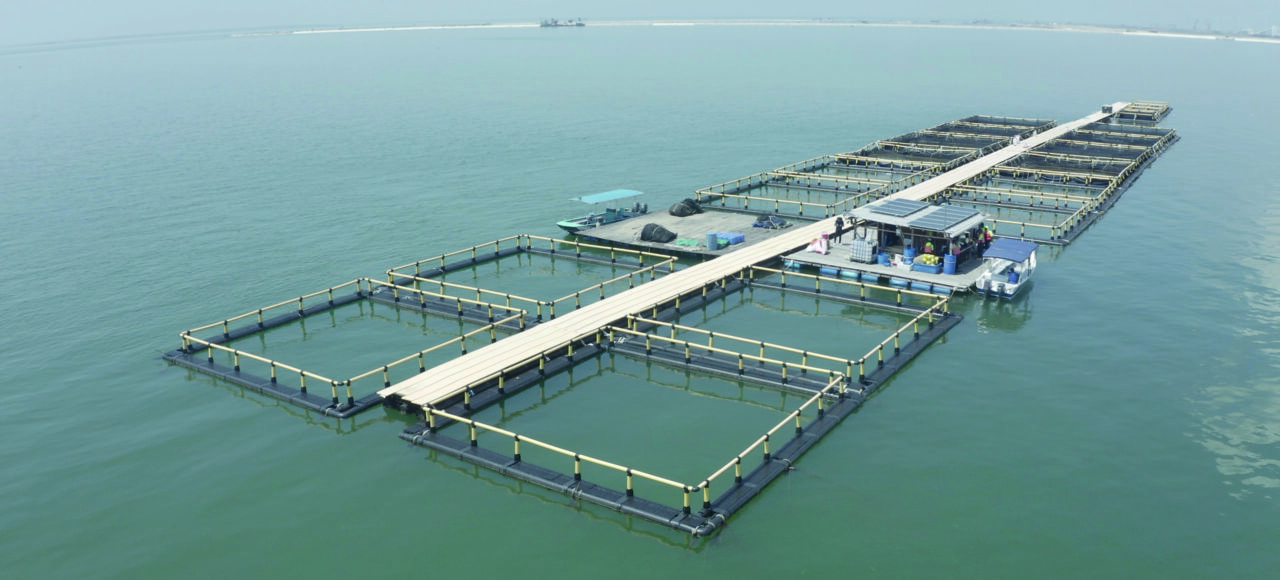
Brunei Darussalam has allocated strategic Agricultural Development Areas tailored to accommodate investors keen on agricultural ventures. These sites are equipped with essential amenities such as access roads, electricity and domestic water supply, ensuring seamless operational requirements. In aquaculture, the Department of Fisheries has designated land-based areas and offshore sites dedicated to fish cage culture and land-based aquaculture activities.

Aligned with our efforts to promote modern technology adoption, we actively encourage foreign direct investment (FDI) to enhance productivity in the Agricultural and Fisheries sectors through cost-effective and sustainable methods. This includes initiatives like drip irrigation in crop cultivation and recirculating aquaculture systems in fisheries. Brunei Darussalam is politically and economically stable and offers a favourable business environment with an attractive tax regime. Sales, manufacturing, capital gains, and personal income are all exempt from taxation. Companies establishing themselves in Brunei Darussalam may also be eligible for tax exemptions by applying for investment incentives (pioneer status) or by establishing themselves in the Brunei Free Trade Zone. Additionally, Brunei Darussalam has signed the CPTPP and Regional Comprehensive Economic Partnership (RCEP). Businesses can benefit from more than 92% of tariff elimination and reduction among RCEP countries.

Q: How will closer bilateral relations between the two countries impact agriculture and exports?

The strengthening of the bilateral relationship between Brunei and the UAE will have a significant impact on both countries through huge opportunities to increase production in the agricultural sector – not just limited to fulfilling local consumption or demand, but for exports such as raw materials and inputs in value-added and processed products. In efforts to increase production, our Ministry allocates farming sites whereby around 3,000 hectares of land under the Agricultural Development Areas initiative is still available for development to produce livestock and crops.

Other areas of cooperation that both countries can explore include knowledge sharing and technology transfer, diversification of agricultural products, sharing of agricultural practices, as well as providing capacity building and human resources development. 

 
This report was published in partnership with Gulf News
Full PDF upon request at [email protected]