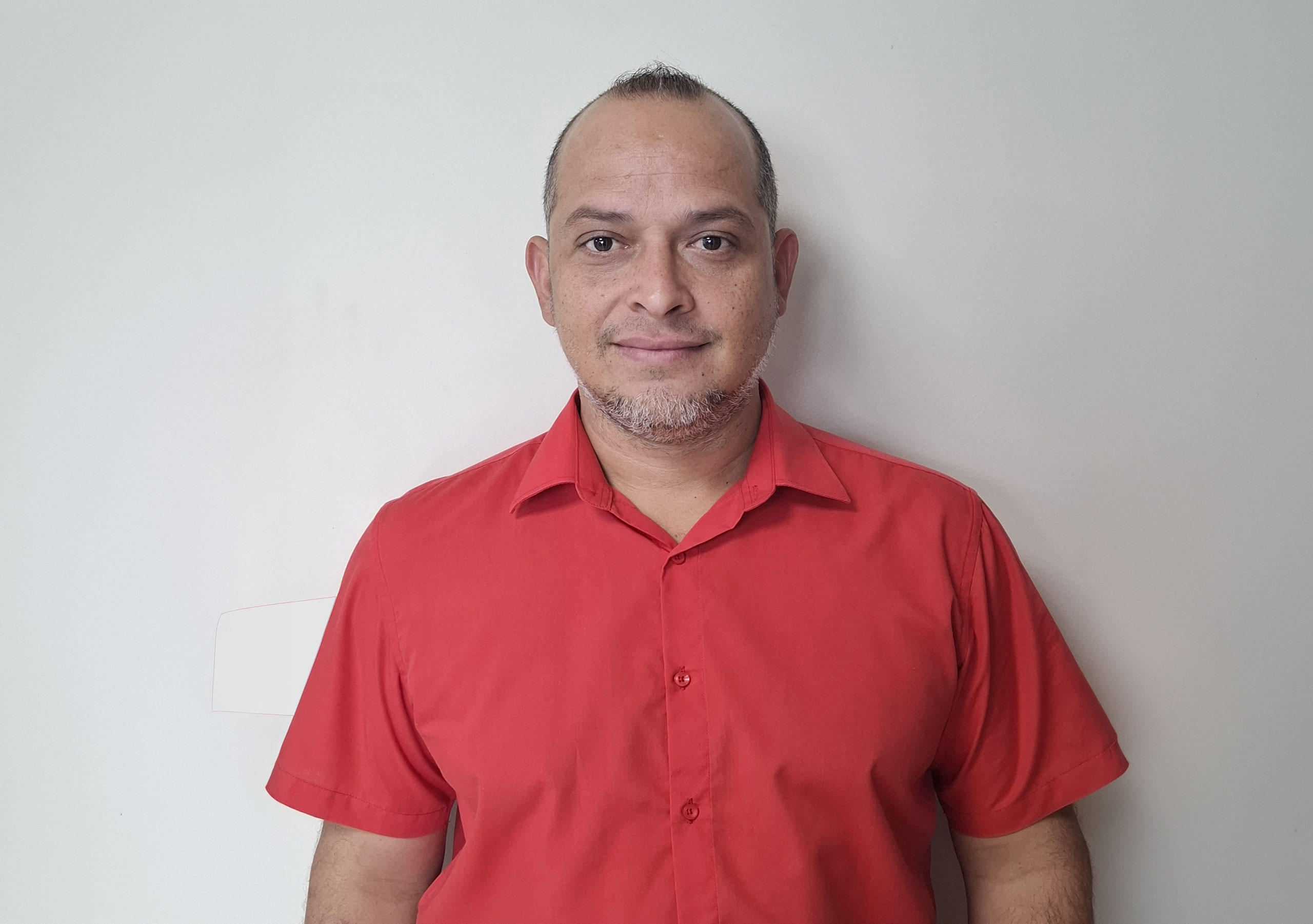

Since taking the helm in December 2025, Captain Adrian Mondon has set out to make state-owned oil company SEYPEC more visible across the Western Indian Ocean. Here, he explains how the organisation is focusing on building resilience, integrating renewables and strengthening UAE partnerships.
Q: How has your vision for SEYPEC evolved since you became CEO?
SEYPEC has a strategic plan for 2026–2030, and one of our aims is to make the company more visible within the Western Indian Ocean. We are aiming high, and we want to be one of the most influential oil companies in the region, as a leader in oil and gas through cost-effective, sustainable and strategic growth.
At present, the UAE is our sole supplier of some petroleum products, except for LNG, and we are looking ahead to strengthen contingency plans. We are working on a business continuity plan, and the UAE will continue to play a role because, as a major country, it offers the possibility of diversifying suppliers within the UAE if something happens to our stock or to the supplier.
We are also paying close attention to human development. SEYPEC has a high retention rate, which we are very proud of, and we want to continue developing our people through training programmes and on-the-job experience, so we have succession plans in place across all departments.
I believe we have the resources, not only human resources but also financial resources, to raise the level of management in Seychelles to an international standard. By doing this within SEYPEC, we can set an example for other companies in Seychelles and serve as a flag bearer as we move ahead.
Q: How do you want UAE investors and partners to perceive SEYPEC?
We already have a strong reputation, not only within Seychelles but within the region as well. For example, we are building two new tankers, and the reputation we have built over the years has helped us secure financial support to move forward with this.
Within Seychelles, we want our social involvement to be relevant. For example, we adopted the School for the Exceptional Child, not only because it is an important part of our society, but because it serves all of Seychelles. This supports families across the country who have an exceptional child.
We also want people to recognise the importance of SEYPEC. After 40 years, many people take SEYPEC for granted, without realising how important it is to the country. It is important that people trust us because we are a state-owned entity and we serve the people.
Q: How is SEYPEC differentiating itself in fuel and bunkering?
SEYPEC has decided we are no longer bringing in high-sulphur cargoes. We used to have high-sulphur gas oil in Seychelles, and we have moved to low-sulphur fuel. There are no regulations requiring us to do this, but we are doing it proactively and moving with the times. Eventually, this will catch up with the region, and we want to already be there.
We have also aimed for more collaboration with East African countries, and we already have good collaboration with the UAE, as well as with places such as Zanzibar and Mozambique. It is a matter of collaboration across the region.
As a state-owned enterprise, we subsidise a significant part of fuel prices, which supports the cost of living in Seychelles. If SEYPEC is not stable and financially able to subsidise, prices will rise not only at the fuel pump but across the economy. This is a major responsibility that we take seriously, and the government, as our stakeholder, also takes it to heart.
Q: With limited land, how will SEYPEC compete for regional bunkering growth?
In terms of infrastructure, we are already at high capacity. We do not have much land for expansion, given the nature of Seychelles and the land available. We have expanded in the past, and our storage covers over six months of local fuel requirements, while also including storage that can be used for bunkering at the same time.
I do not see the need for major investment in infrastructure because it is already in place. We already have a small tanker, and it is a matter of competing. There is competition in the area, and other actors have entered the business.
We were very active in offshore bunkering during the COVID period and during the period of Somali piracy. When piracy declined, competitors entered with lower-quality fuel. We lost most of the business because we moved to high-quality fuel stored in our tanks here, while competitors offered lower-quality fuel because the Indian Ocean is not regulated like European countries. This has affected us, but we do not plan to go backward. We are already ahead of the times in the Indian Ocean, and going backward would undo the work we have done.
Q: What opportunities would you highlight to UAE investors?
One key area we are looking at is reducing our carbon footprint. It is not only about storing products; we also have high energy use, including electricity and water. When you look at our facilities, we have many rooftops that are unused, and we can move toward green energy.
This is an area that can be invested in. We plan to install as many solar panels as possible. I am not favourable toward wind turbines; I have seen wind farms in Europe, and they are not picturesque, and they disrupt the coastline. I do not want that to happen here, so I believe solar energy is the way forward. SEYPEC is conscious of this and we are looking into these kinds of investments.
Q: Why is now the right time for UAE investors to come in?
I can see it through SEYPEC: Seychelles is moving forward at a pace I did not expect, and we need investors. We are a small country and we do not generate large revenues, so we need investment that also helps us protect our heritage, including the environment and the blue economy, as well as renewable energy.
This is the right time to invest in Seychelles because the country is looking toward new innovations. The government is supporting this direction, encouraging youth to take up new programmes and start businesses. Increased investment will help Seychelles grow, and as the economy grows, people grow and participate more in the Seychelles economy.
Q: How has your career at sea shaped your leadership?
As a master mariner, you deal with many kinds of people. You work with diverse crews and you visit many countries and see different infrastructure. In management, you become refined because you might have Seychellois crew, Indian crew, Filipino crew and Eastern European crew. My management style is not to manage them as a group, but to manage them as individuals. You get to know them, make them feel comfortable within the company and on the vessel and make them feel like they are part of a family.
You would be surprised what you get in return: a good environment on board. There are always small issues, especially during bad weather when people are not sleeping, but over the last 10 years as a master, I learned that if you value people and treat them fairly, they will value you, give you 100% and have your back. That is what I learned at sea, and I bring it here.