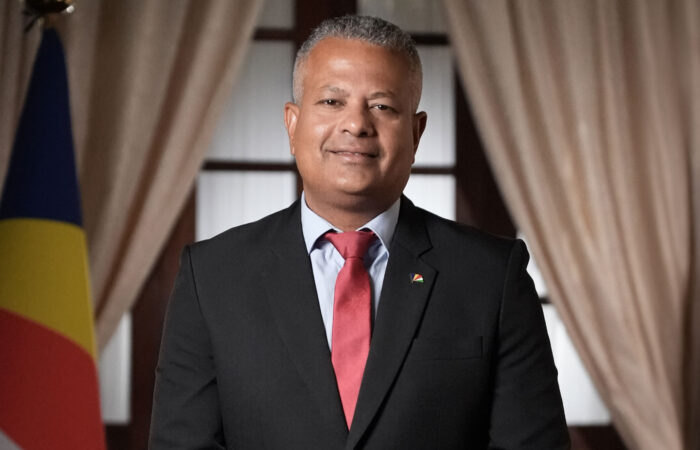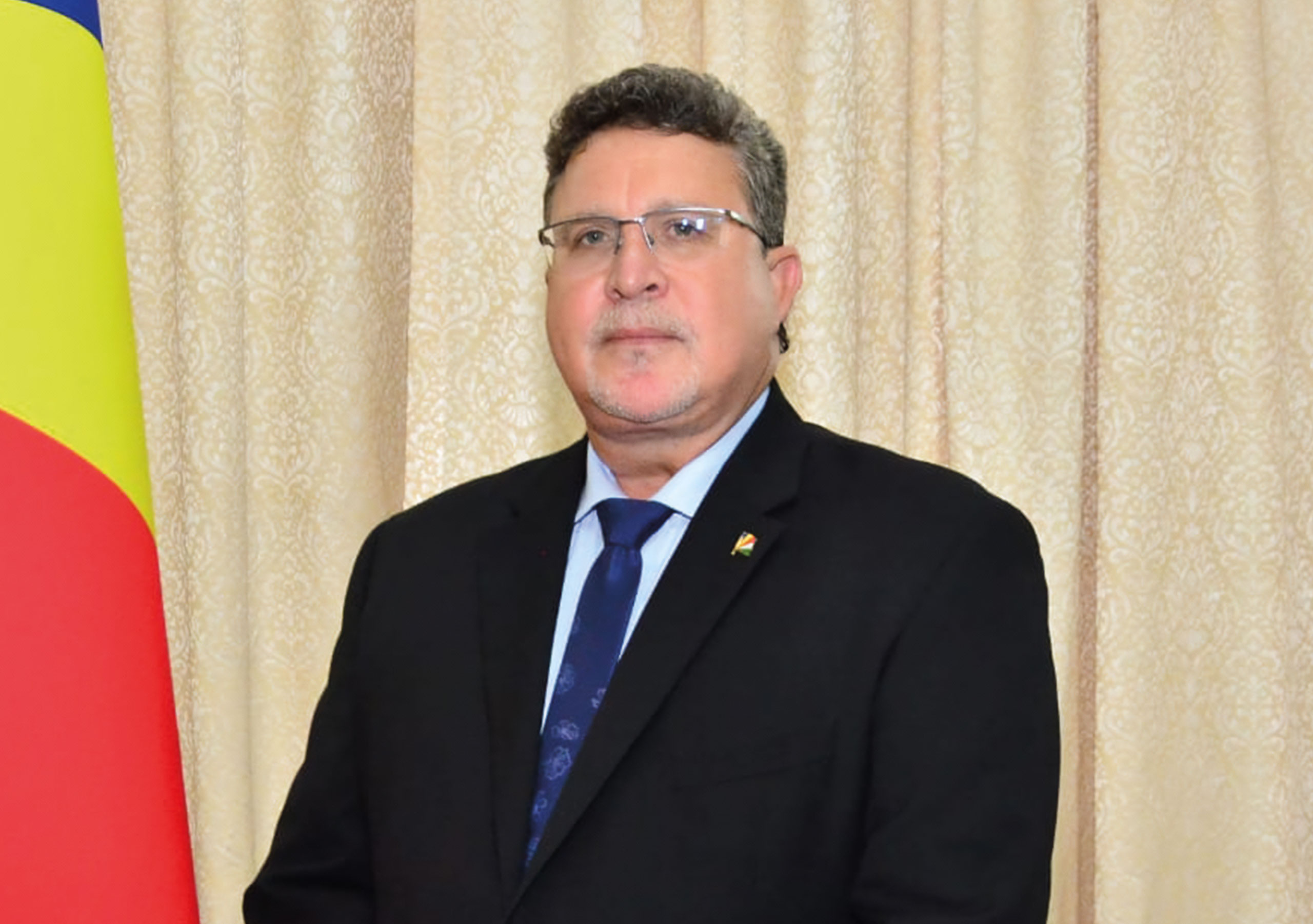

Pierre Frank Laporte assumed the role of minister for finance, economic planning, trade and investment in November 2025. His second time holding the office, he brings extensive experience from prior roles at the World Bank and IMF and as governor of the Central Bank of Seychelles. “This broader experience puts me in a better position to work with colleagues across sectors and understand their issues,” he says.
Returning to government, Laporte’s policy agenda centres on balancing long-term national development with economic stability and international investor appeal – goals that, in his view, go hand in hand. “We want a modern economy built on strong macroeconomic foundations, driven by private investment, to grow employment and incomes so that everyone shares in the country’s prosperity,” he says. In this interview, Laporte sets out the priority areas across the Seychelles economy and how the government is working to enhance investor engagement.
Q: What are your current economic priorities?
Our government’s priorities balance people’s economic wellbeing with an economy grounded in sustainable fundamentals and macroeconomic stability, led by private investment, with government creating the enabling environment. Above all, we need a stable and sustainable economy to support a programme more targeted toward social wellbeing while taking Seychelles to the next level.
Seychelles is the only African country classified as high-income, but we cannot stop here. We must elevate Seychelles by modernising infrastructure and building an efficient government that delivers quickly and effectively, while ensuring investors see Seychelles as a rewarding, well-organised place to invest.
Our vision is of a balanced economy with, first, a strong human capital base, which is why we want to review our health and education systems, because without human capital you cannot deliver. Second, we need a modern and efficient ecosystem, including critical agencies such as the Investment Board and the Registrar, to be fast, modern, and easy to deal with, supported by efficient government systems. Third, we need modern infrastructure built on a strong ICT backbone, because without reliable internet and appropriate ICT, we cannot deliver. We must also integrate AI into everything we do, across health, education, government systems and investment opportunities.
For investors, tourism must continue to lead. We must balance being a high-value destination with sufficient volume to add value and efficiency to the economy, and there is still scope for significant investment. We also have a major opportunity in fisheries. We welcome private investors who partner with Seychellois investors to develop this sector.
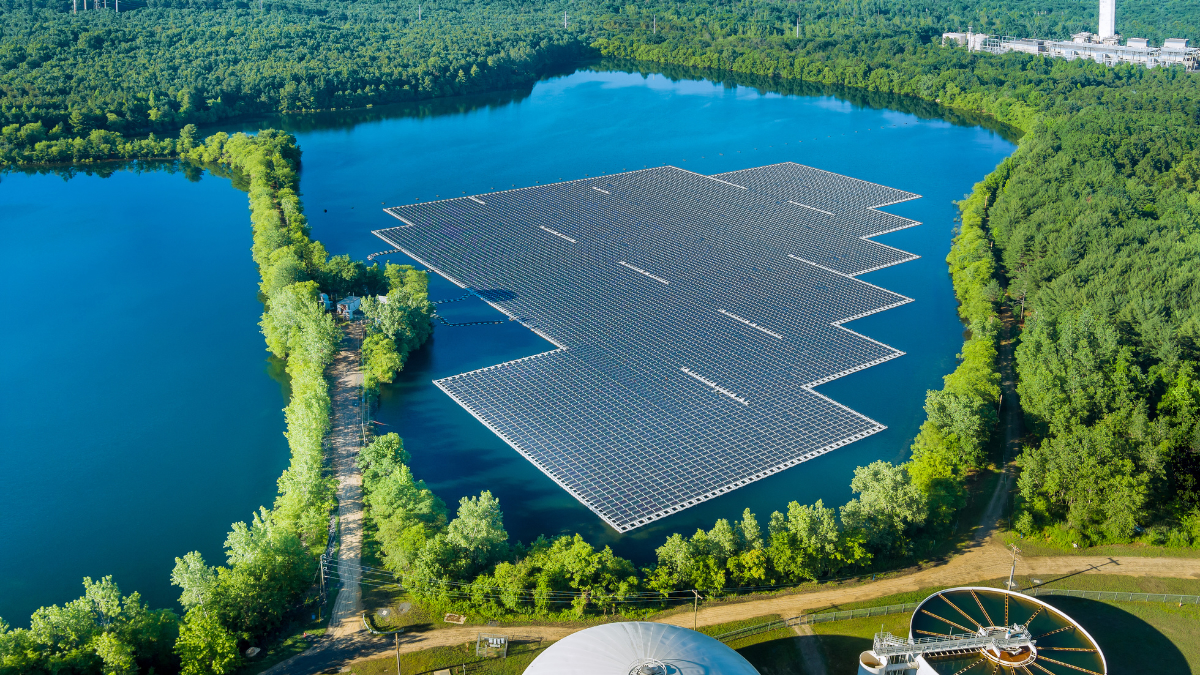
Real estate is another area with continued scope, with investors from the Gulf, Europe and elsewhere already active. Energy is also a priority; today Seychelles produces only 5% of its energy from renewable sources, so we welcome investment. We also see opportunities in ICT. Additionally, there has been seismic assessment work indicating potential for oil, making petroleum exploration another area for investors to consider.
Q: How are you creating a conducive environment for investment?
Seychelles has advantages many African countries do not: a liberal exchange system with no restrictions on funds entering or leaving, including repatriation of profits, following reforms in 2008. We also have banks able to support investors through domestic and foreign currency accounts, without foreign exchange shortages or controls requiring central bank permission for transfers. In the non-bank sector, we have a Financial Services Authority based on modern models.
On fiscal policy, our approach is not only about low taxes but also transparency. We provide sector-based incentives, with priority sectors such as agriculture and fisheries receiving more support than more mature sectors such as tourism, and we aim for a transparent fiscal framework that is not overly taxing.
Q: What are the key opportunities for UAE investors?
The main sectors are tourism, fisheries, ICT, energy, real estate and petroleum exploration. Seychelles does not generally require foreign investors to partner locally, although some sectors do. In most major sectors, investors can invest independently or partner with Seychellois counterparts.
We are also promoting public-private partnerships (PPPs), supported by a framework for government to partner with investors. We are setting up the Seychelles Sovereign Investment Fund to provide an investment vehicle so that, in strategic sectors, investors who are not comfortable investing alone can partner with government through PPPs.
Q: What competitive advantages does Seychelles offer UAE investors in tourism?
Tourism will continue to be the driver of growth because it is a mature sector, and we welcome continued UAE investor interest, with multiple projects already in the pipeline.
Seychelles is competitive with other destinations due to open investment and fiscal policies, and we have facilitation structures such as the Seychelles Investment Board, which coordinates required approvals across departments so investors do not have to navigate each agency independently.
We also have supportive systems, including an open and functional financial sector, and specific incentives in tourism, such as accelerated depreciation to support ongoing renovation and quality maintenance. Our value-added tax system also supports investors during construction by allowing different treatment of VAT liabilities until operations begin, after which claims can be made in line with income generation.
In real estate, incentives include residency linked to purchasing property. Incentives vary by sector and prioritisation: in areas we want to develop further, such as agriculture and fisheries, we provide lower tax rates or, in some cases, no tax to support growth.