
Built from a maritime services base, The Seabird Ghana Limited has evolved into a group with seven subsidiaries. Founder and Group CEO Raymond Adiepena frames the business as an indigenous standards-setter, with ambitions to expand across the continent, build a global footprint and ultimately pursue a long-term stock market listing. Alongside the growth story, he points to practical UAE–Ghana investment pathways in the blue economy, including bunkering, shipyard capacity and adjacent aviation services. In this interview, Adiepena outlines the group’s portfolio expansion and explains the synergies between Ghana and the UAE in blue economy investment opportunities.
Q: How has your vision evolved since you founded the company in 2014?
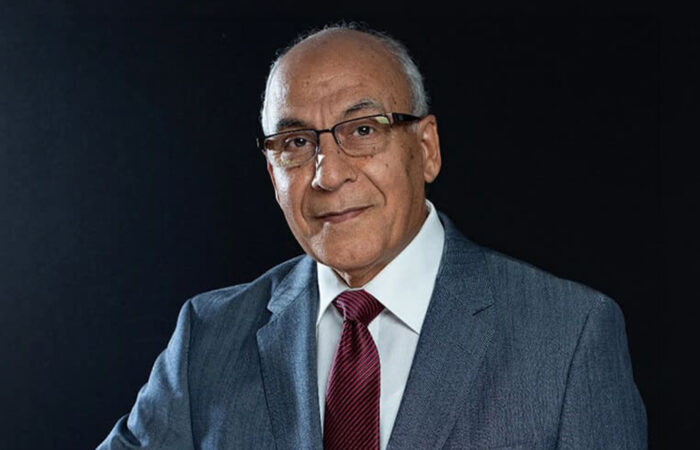
Raymond Adiepena, Founder: Our vision has remained consistent since inception: to create meaningful change for all stakeholders. Over the past ten years, we have come a long way. We have achieved a great deal and continue to work toward expanding our presence across the continent, going global and eventually listing on the stock market. The journey has not been easy, but many companies have done it, and so can The Seabird Group Limited.
When we began as a maritime company, we recognised significant gaps in the sub-region, particularly in service quality for international clients. Although leading companies operate here, we often heard complaints about inconsistencies among indigenous service providers. We identified an opportunity to do things better, not to capitalise on shortcomings, but to raise standards.
Within our first five years, we obtained ISO certification, which was a major milestone. Pursuing ISO helped position us to demonstrate integrity, professionalism and operational excellence. Our Integrated Management System allows clients to work with us confidently, knowing that we are organised, reliable and capable of safeguarding their interests. ISO-certified companies earn greater respect and customer trust, and we have seen that firsthand.
We have executed several major projects. We have supported several upstream oil and gas operators, notably Cory Brothers Limited, where we played a central role in coordinating and overseeing offtake procedures on the FPSO Kwame Nkrumah and FPSO John Agyekum Kufuor. As the designated local representatives, we ensured seamless alignment between the offtakers and the Government of Ghana, contributing to safe, compliant and efficient operations.
Another significant project involved the Ghana Electricity Company through our partners, BES Europe. About seven to eight years ago, BES required a company capable of transporting 70-foot, 70-tonne transformers from Tema Port to Mpraeso, a route known for its challenging mountainous terrain. Although we were a young company at the time, we presented a solid logistics plan, and our team delivered the assignment safely and ahead of schedule.
Mpraeso’s power substation was later completed with various partners and we are proud to have contributed our part by transporting the critical equipment required for the project.
We believe in practical leadership, one that stays connected to the work, not removed from it. While our leaders empower the team to drive daily operations, we remain present at key moments to ensure standards are upheld and client expectations are met. This is not out of distrust, but out of a shared commitment to excellence. Our clients view us as an extension of their organisations, and we honour that trust by staying engaged, aligned and accountable.
Q: How is The Seabird Group Limited positioned among stakeholders?
RA: When we speak of the multifaceted nature of our operations and all the qualities you have highlighted, it is important to note that this extends beyond The Seabird Group Limited. The focus is on the The Seabird Group Limited, which comprises seven subsidiaries. The Group was built on this multifaceted concept, created in response to the growing demand for excellent services across the sub-region.
Our goal is to be recognised by investors as a company that handles every project or assignment with the same care and dedication as the client’s own internal team. When clients know their tasks will be executed with that level of ownership, they have no reason to look elsewhere. We are passionate about our work, and any investor or client who works with The Seabird Group Limited can be assured that every task will be delivered with passion, commitment and integrity.
Our operations span across West Africa, including projects in Benin, Togo, Cote D’Ivoire, Nigeria and other countries within the sub-region. Our clients do not leave us. They grow with us.
Our ambition over the next five years is to build a global presence and operate in 60 to 80 percent of countries where our services are required. Growth is essential, and listing on the stock market is a key part of that journey. We aim to become one of the indigenous African companies that evolved from a sole proprietorship to a limited liability company, and ultimately to a publicly listed entity.
Our current market position is strong. We have built a formidable team with significant recognition, thanks to the efforts of our Corporate Affairs and Marketing team. Our visibility in the market continues to grow, and this may very well be how you came across us. Strengthening this presence remains a priority as we work toward becoming even bigger and better.
Q: Where do you see synergies between Ghana and the UAE?
RA: There are several compelling reasons to look to Africa, to Ghana and to The Seabird Group Limited. First, Ghana is economically and politically stable. We are a peaceful nation, and if you follow current developments, you will see that the government is actively promoting the country’s potential and investment opportunities.
In the maritime sector, I have long advocated for the development and monetisation of Ghana’s blue economy, particularly the anchorage area. There is enormous untapped potential. For example, vessels frequently struggle to access bunker fuel. Establishing an ocean bunkering depot would eliminate the need for ships to enter the port and pay high port dues, offering a more efficient and cost-effective solution. This represents a major investment opportunity for both Ghana and stakeholders.
Another key area is dry-docking. Nigeria is expanding rapidly in maritime and oil and gas, and many vessels operating in the sub-region require repairs and maintenance. Ghana is safe, well-positioned and has the manpower to support such operations. Refurbishing and upgrading the existing PSC Tema Shipyard and potentially developing a new, world-class shipyard and fitting-out facility to complement it would allow tankers and container vessels to undertake servicing and repairs locally rather than sailing to distant countries. The economic potential of a modern dry-dock facility is considerable, especially given the high volume of vessels within the sub-region that require regular maintenance and repair.
From the perspective of our aviation subsidiary, there is a strong case for developing a regional aviation hub. A facility where clients can charter helicopters or private jets for travel across the sub-region would meet growing demand and create another valuable investment channel.
Opportunities exist across ocean bunkering, dry dock infrastructure, aviation services and maritime security, sectors ripe for investors seeking growth in a stable, high-potential market.
Q: How are you approaching sustainability and innovation?
RA: Innovation is central to how we operate. With services spanning ship agency, underwater operations, bunkering, ship repair, brokerage and STS transfers, we continuously upgrade our systems to match industry demands.
We are strengthening our IMS, integrating AI-supported tools, digitising workflows and building the capacity of our people to work smarter and faster. This ensures our operations remain efficient, compliant and aligned with global best practice across every subsidiary of The Seabird Group Limited.
We have also introduced sustainability initiatives inspired by global circular-economy models, focusing on keeping plastic waste out of the marine environment. Across our offices and vessels, plastic materials are now collected and delivered to recycling partners, an initiative that received commendation during our ISO audit.
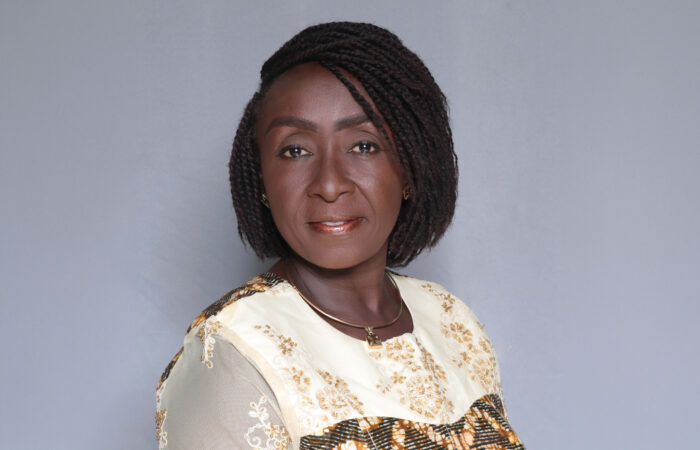
Dorcas Naana Owusu Afriyie, Group Communications Manager: If you look at Ghana’s position, and the direction the world is moving in, you will notice a strong global shift toward the circular economy. In Europe, particularly in the Scandinavian countries, nothing is thrown away. Items are reused, repurposed or recycled to ensure they re-enter the system.
This inspired the project I initiated when I returned. Our goal is to ensure that plastic bottles and other plastic materials do not end up in the sea, because the ocean is where we operate, and it is the source of much of our livelihood. We cannot allow marine life to choke on waste. Everything we use must be recycled.
Ghana does not have widespread waste segregation, but we can still take action. We are now collecting all plastic waste in our office and giving it to recycling companies to repurpose. This initiative stood out during our ISO audit and received strong commendation.
Our objective is simple: to contribute to a cleaner ocean and set a standard for responsible operational practice within the maritime sector.
Q: How would you describe your leadership style?
RA: Education is essential to development and to strengthening any organisation. We do not compromise on that. However, I strongly believe in hands-on experience. Practical, real-world learning is invaluable. Books and academic knowledge are important, but practical exposure carries greater weight for me, that is my principle.
It is not that I do not value formal education. It has shaped me, and my degrees and diplomas have contributed significantly to who I am today. But my foundation, and the basis of my success, has always been practical experience. As you may know from my story, my journey began at GPHA. What I learned there did not come from a classroom; it came directly from the port, from real work and real challenges. While education is important, I firmly stand by the belief that practical, real-time experience is equally, if not more, vital for growth and success.
Q: Why should investors consider Ghana?
RA: There are many reasons. Safety is paramount, and Ghana offers that foundation. Coupled with a stable economy and strong growth indicators, the investment potential is clear for any investor.
Our political stability is one of our greatest advantages. In investment, safety and predictability matter and Ghana provides both. We have a skilled workforce, strong intellectual capacity, abundant natural resources and a culture of hospitality that supports business growth. Importantly, the rule of law is upheld, enabling investors to operate with confidence and fairness.
Compared to many countries in the sub-region, the risk of disruption or instability is significantly lower, making Ghana a reliable and attractive destination for long-term investment.
Ghana is a highly conducive environment for investors. With strong protections, respect for the rule of law and political stability, the country stands out as one of the most reliable places to commit capital.
Another major advantage is that the headquarters of the African Continental Free Trade Area (AfCFTA) are in Ghana. This places global attention on us and positions the country at the centre of continental trade integration.
Q: How have you prepared your portfolio to offer opportunities?
RA: For investors interested in Ghana, particularly in the maritime sector, our track record speaks for itself; The Seabird Group Limited stands out as the company of choice. We are deeply patriotic and committed to contributing to the development of our country, a value we hold very dear.
We are not only seeking clients; we are seeking partners and investors who are looking for strong, sustainable returns while participating in a sector with clear long-term growth potential. The Seabird Group Limited offers both opportunity and impact, backed by a proven operational foundation.
We have laid strong foundations. We have trained young people through the Maritime University and others within the medical field, supporting their growth and expanding opportunities across sectors. Our commitment is to develop talent that contributes meaningfully to both our organisation and the wider national ecosystem.
We have also supported vocational training, equipping individuals with practical skills that prepare them for real work and long-term career advancement.