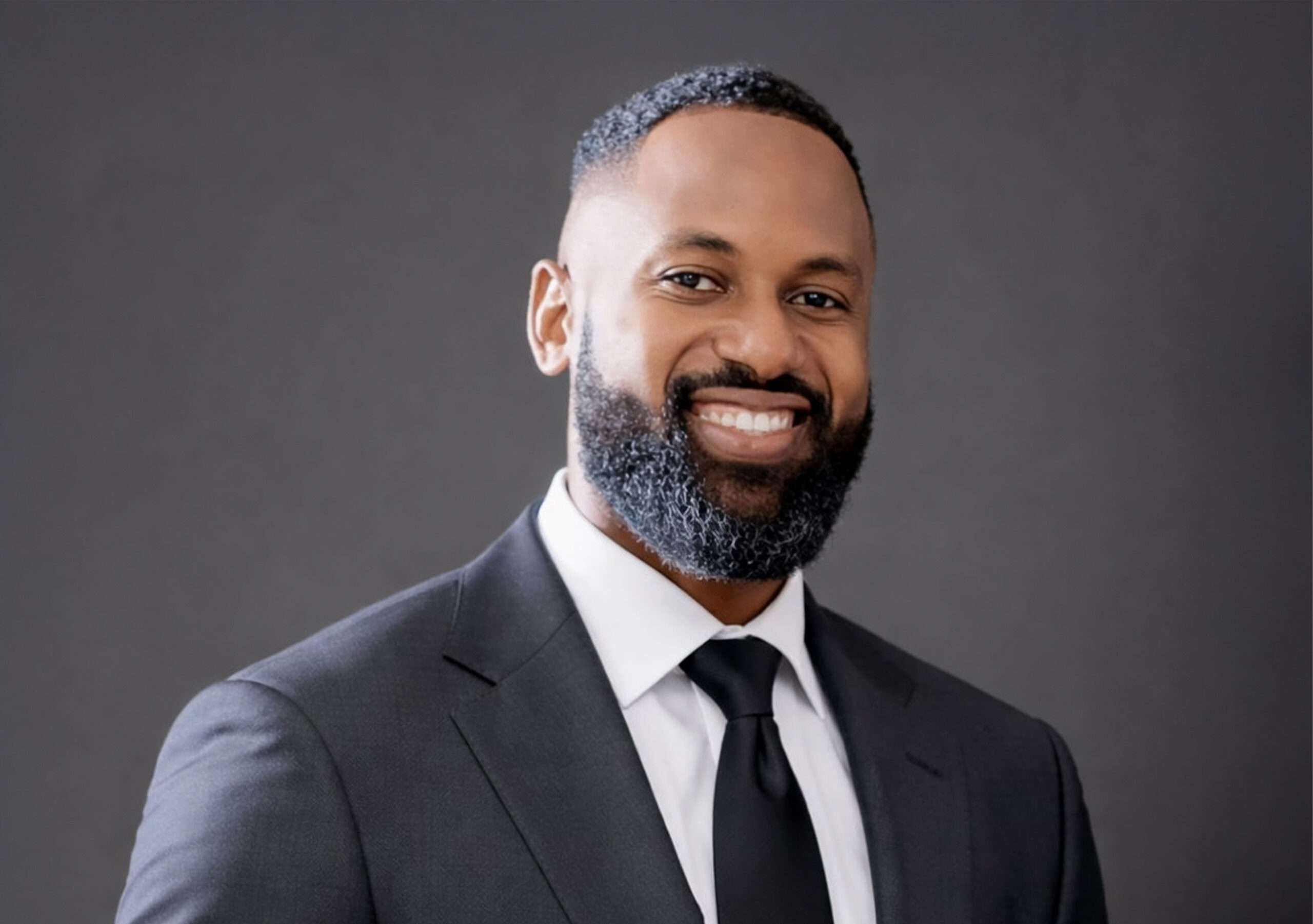

A Pan-African climate-resilient infrastructure group anchored in Ghana, CIPA Holdings Group integrates project development, structured finance and EPC execution across clean energy, integrated electromobility systems, digital infrastructure, climate-smart real estate and public infrastructure. In this interview, Kwaku Osei Sarpong, founder and CEO of CIPA, outlines the company’s strategy amid Ghana’s advances on stabilisation and investment reforms.
Q: How has the company evolved in the past years?
Kwaku Osei Sarpong, Founder and CEO: I founded CIPA Holdings after over 15 years in renewable energy, particularly solar, battery energy storage solutions and energy efficiency. During this time, I saw a major barrier in Ghana and across Africa: access to capital. The solutions are strong, and the continent has abundant sunlight, but the right capital was not advancing projects.
We formed CIPA Holdings Group because Africa does not lack opportunity; it lacks credible institutions. Investors saw viable opportunities, but many institutions could not pass due diligence, creating a perception problem. To address this, we built CIPA as a platform of trust that connects capital markets, government priorities and technical execution under one umbrella, so investors, development finance institutions and technology providers can execute with confidence.
Our principles are guided by three pillars: governance, partnerships and sustainability. We have strong governance, including a strong board and advisory board and technical, financial, legal and chartered accounting expertise. We prioritise partnerships across finance, technology and implementation, especially local partnerships to ensure effective navigation and execution. We focus on sustainability so projects stand the test of time.
Our journey has been defined by execution and relationships. We have delivered renewable energy projects for public institutions and leveraged public-private partnerships (PPPs) as a deployment framework. We delivered the first PPP structure for renewable energy fully financed by the private sector, with the public sector as the beneficiary, and we plan to scale this across other government agencies. We have also strengthened relationships with capital providers, governments, development finance institutions and technology providers, because scaling requires trust, governance and proven execution that protects and returns investor capital.
Q: What defining milestones or projects best illustrate CIPA’s accomplishments?
KOS: We learned quickly that Africa faces the same challenges, packaged differently, with varying local nuances. We expanded our renewable energy offering across multiple countries.
We have been involved in approximately 8 million worth of investments in Mali and Burkina Faso for solar energy for commercial and industrial facilities. We have supported energy efficiency advancements in Nigeria for commercial industries. We are heavily involved in the Zambia mining sector in clean energy and power, and we have also been involved in renewable energy there.
Q: How can CIPA Holdings work with UAE investors?
KOS: Gulf investors have demonstrated the ability to turn climate ambitions into real projects and to turn energy into prosperity. CIPA bridges capital flow into projects while managing project risk and positioning projects for growth, with trust as the most important component.
CIPA is an integrator. We only engage projects we believe are bankable, then integrate bankable projects with national priorities, capital, technologies and implementation strategy, ensuring a seamless link from conception through commissioning and operations.
For Gulf investors, we see three collaboration opportunities: co-investment, technology and engineering expertise and climate finance structuring. We co-invest and put skin in the game to demonstrate commitment and align returns. UAE clean energy expertise can strengthen engineering and technology partnerships. On climate finance, projects often require patient capital and blended structures, combining senior lending or equity from UAE investors with concessional DFI funding and local funding. In Ghana, we are championing pension funds as a local capital avenue to blend financing for renewable energy.
Q: How do you define CIPA’s market position in Ghana?
KOS: CIPA is neither a consultant nor a construction company; we are an integrator. Many projects fail when organisations operate only at one end, either consulting without integration or implementation without the soft components that must precede construction.
We sit at the intersection of policy, finance and execution. Policy is critical because regulatory hurdles are a major barrier, and we have policy experts who understand regulations and can negotiate with government when necessary. One approach we use is PPPs, which help address regulatory hurdles through partnership.
Finance is another core issue: capital is abundant, but access is the problem. CIPA’s expertise is structuring access to capital. Execution is the third pillar: we ensure the right strategies and teams so capital providers trust delivery. We bridge operational risk, asset management risk and technology risk.
Our differentiators are three: governance excellence, bankable innovation and local empowerment. We maintain transparent, auditable structures aligned with international compliance standards. We design projects to meet investor requirements from day one, identify risks from the investor’s perspective and de-risk transactions. We also ensure local inclusion, build capacity and train local teams to manage assets over the long term so value stays within the local environment.
Q: How is CIPA pioneering new financial models?
KOS: Our motto is finance-based infrastructure, meaning we approach infrastructure from the finance perspective. For renewable energy, we have introduced three key models: EPC+F, BOOT and energy-as-a-service.
EPC+F is engineering, procurement, construction, plus financing. Many off-takers value renewable energy for cost and sustainability, but they lack upfront capital. Grid instability also forces reliance on standby diesel generators, which can cost up to about $0.25 per kilowatt, while renewable energy can be about $0.10 less, making savings significant. Under EPC+F, we provide the solution now and spread payments over time as amortisation.
BOOT (build-own-operate-transfer) means we assume ownership and risk, deliver service for a period, then transfer the plant back to the customer. The term can be 7, 10, 12 or 15 years, depending on the off-taker’s repayment appetite.
Energy-as-a-service positions us as the long-term energy partner, and we have seen this model used with mining companies, data centres and other industries.
To improve these models, we focus on attracting foreign capital because local financing faces high interest rates and short tenors, which can make projects unbankable. We have pursued private equity, are working to bring pension funds into transactions and rely on development finance institutions for concessional loans or grants to blend financing structures and reduce cost of capital. We continuously innovate, viewing innovation as leadership, finance and implementation, not only technology.
Q: How do your personal recognitions, including Forbes Africa and Ghana Rising Star, Ghana Energy Awards, 40 Under 40 Awards, 100 Awards and Influential Young Africans, reinforce CIPA’s mission?
KOS: These recognitions validate not only my leadership but the collective excellence of the CIPA team, including chartered accountants, financial analysts, legal personnel, construction experts and policy experts. For each solution, we convene experts to advise, even though I am the face most people see.
The recognitions are significant because it confirms we are doing the right thing and encourages us to move forward. Our Forbes Africa feature helped highlight what CIPA is doing across the continent and globally. For CIPA, this matters because we do not just build projects; we are integrated into national development. Africa’s prosperity requires strong institutions that bring together investors, technology providers and capital, and that is what we stand for. We are humbled by these accolades, but for us, it is the beginning, not the end.
Q: Why should investors consider Ghana?
KOS: Ghana is in a new investment moment characterised by stability, reform and readiness. The government has shown flexibility in structuring business arrangements, including restructuring the gold sector through GoldBod, prioritising local gold producers while supporting seamless commodity quality for buyers. This readiness positions Ghana for PPP-driven growth.
Macro fundamentals include consistent growth and government commitment to sustainability and private sector participation. This opens the door for partnership-driven infrastructure combining public alignment, local capacity and strong governance, which is where CIPA is positioned.
This is the right time for CIPA because when governments are ready for PPPs, an integrator is needed to align the interests of investors, government, capital providers and implementers. For UAE investors, renewable energy in Ghana is at an inflection point, and the government is committed to increasing the share of renewables. CIPA can help bring capital into Ghana and develop, finance, implement and hold crucial power assets that support national prosperity.
Q: Which other CIPA pipelines or projects would you highlight?
KOS: CIPA is not only focused on renewable energy. We are involved in digital transformation, including building data centres in collaboration with the government. We also have a green industrial programme targeted at manufacturing companies and industries, and we are involved in local development infrastructure opportunities beyond major cities.
Our pipeline includes solar and battery technology, data centres, e-mobility (transportation and charging networks) and sustainable real estate development. For all investments, we co-invest with partners, and we seek collaborations where we co-invest and jointly develop Ghana.
Q: What legacy and future vision do you have for CIPA?
KOS: CIPA’s philosophy is that Africa can finance its own sustainable future, while still working with partners and leading innovation. Strong institutions make financial partners more comfortable deploying capital by ensuring investments are bankable and well-structured.
We envision a continent where infrastructure is clean, inclusive, locally financed and efficient, and we position CIPA as the bridge between that vision and reality. Inclusive development is central, supported through our foundation focused on youth development and capacity building. For every project, we ensure equal representation of women who drive innovation, include youth and create opportunities to learn about green renewable energy and sustainability.
Our legacy will be systems, partnerships and capacity: building not only projects, but delivering critical infrastructure for the continent. Our message is that Ghana and Africa are ready for green innovation, infrastructure advancement, and prosperity, and CIPA is the partner that makes sustainable projects bankable.