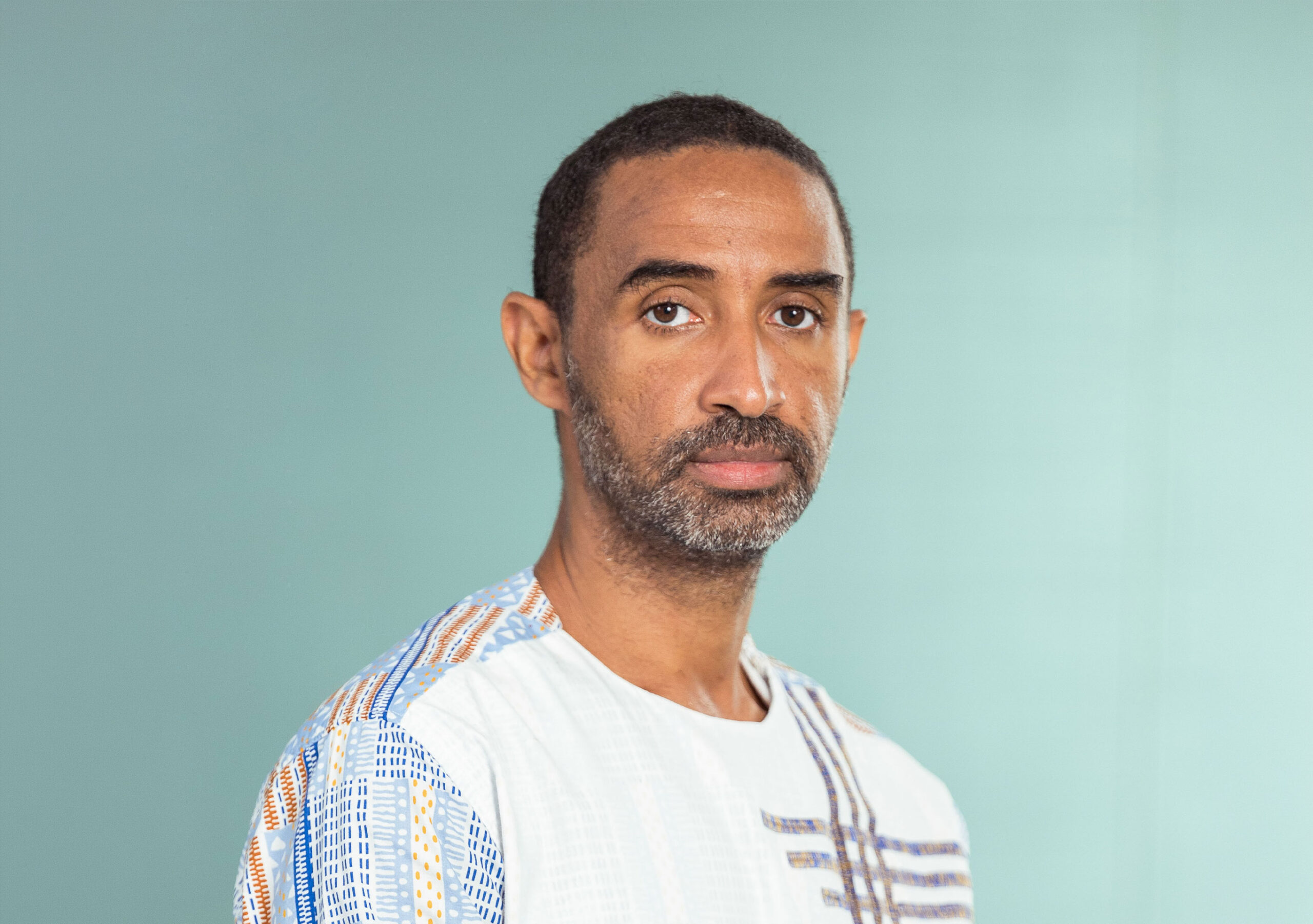

Star Oil has moved from roughly the 13th-largest oil marketing company in Ghana to the top position by sales volume in five years. Under management’s efforts to cut supply chain leakages, centralise operations and compete on price, the network has grown from 198 stations in 2020 to 254 today, with 2,700 employees and a model built on direct operation rather than franchising. In this interview, CEO Philip Tieku outlines how Star Oil scaled its network and cut costs through direct operations.
Q: How has your vision for Star Oil evolved?
Philip Tieku, CEO: I was appointed in September 2020, a difficult year for many businesses because of the COVID-19 pandemic. We came in at a time when we felt the country needed a credible source of affordable fuel.
In most developed countries, the fuel station networks with the highest sales volumes also tend to sell at competitive prices, but historically in Ghana, that was not the case. The most expensive stations also held the largest market share, so we saw an opportunity to build supply chain efficiencies into our network and provide fuel at more affordable prices.
We started this journey around 2018, knowing that by closing loopholes in the supply chain, mostly using IT for tracking, we could make significant savings and pass them on to customers. By 2021, we believed we had achieved enough savings to price meaningfully below competitors.
Our vision has been to make Star Oil a nationwide, major source of affordable fuel, which had not previously been the case in Ghana. Four years on, we have moved from around the 13th largest oil marketing company in Ghana in 2020 to number one today by sales volume.
Ghana relies heavily on fuel, and providing affordable fuel is not only a business; it supports economic activity and helps many other businesses remain viable.
Q: How do you describe Star Oil’s market position?
PT: Being number one means we are now a dominant player in the market, and we still believe there is more we can do to improve efficiencies.
We recently launched our BDC, and licensing is ongoing; we expect to be operational by the end of the first quarter. That will allow us to buy directly from international oil companies and import directly, with significant cost benefits from large-volume purchasing.
We also took control of station operations. We do not franchise; we operate our stations fully with our own staff, which is why we employ 2,700 people. Each location has at least 12 workers, and with more than 250 stations, that accounts for about 2,500 station-level workers.
We also employ many drivers because 50% of the fuel we sell is transported by our own company fuel trucks, with the remainder handled by third-party contractors. Our success is largely built on centralised control of operations: drivers are tracked as employees, and we can implement performance incentive systems more effectively.
When networks are franchised and independently run, it is difficult to standardise forecourts and enforce consistent service delivery. We chose to employ workers directly despite the challenges, because it creates a stronger sense of job security and enables stronger performance systems than outsourcing.
We have also automated all our stations through an online platform for reporting and auditing. Each station has at least 14 to 15 CCTV cameras remotely monitored for security and service delivery assessment. These measures enable consistent product quality and customer experience, which has supported our growth over the last four years.
Q: What is Star Oil’s reputation among stakeholders?
PT: Star Oil has a long history as Ghana’s first independent oil marketing company, operating from 1998 to 2020 as a largely family-driven business, and we have learned from mistakes made in the past.
We have a deep understanding of the Ghanaian market, including location dynamics and customer behaviour, and we have applied these strengths over the last five years as our growth has been remarkable.
Many companies in Ghana struggle with financing, but our industry experience and proven track record have helped us avoid the same challenges. Suppliers provide the necessary credit lines, and financial institutions provide standby facilities.
To investors, we position Star Oil as a wholly indigenous Ghanaian company that has turned around performance, strengthened structures and attracted the supplier and banking financing required to compete at this level. Without that, a private indigenous company could not be the largest player in a market that includes multinationals and a state oil company.
Q: What comes next for Star Oil?
PT: The future of energy is clean energy, and we are moving away from fossil fuels over time, so we are planning with that direction in mind and learning from what has happened in more developed countries.
We see ourselves as a retail company, which is why we have focused less on commercial supply and more on building a strong retail, business-to-consumer network. Our long-term plan is to develop land sites large enough to include significant retail shopping centres where fuel is just one product line, similar to hypermarket retail models in the United Kingdom.
If fuel demand declines as energy becomes cleaner, those locations can still serve customers through groceries and other services, with electric vehicle charging points as part of the retail centres.
In the short term, in 2026 we are considering acquiring an existing tank farm in the Tema area. With our volumes, we can build a fully integrated BDC, oil marketing company and storage infrastructure in Tema, which could require a major investment if we purchase a 100% stake in an existing tank farm.
Ultimately, our goal is to grow into a major retail brand, applying the customer-centred approach we built in fuel across a broader retail offering.
Q: How do you approach operational innovation?
PT: Our performance over the last four to five years has been rooted in investment in IT, including an in-house team dedicated to software development and infrastructure that integrates services into the business.
No business can remain manual if it wants to scale, and we plan to launch the Star Savers app by the end of January or, at the latest, by the end of February. The app will bring these services together in one platform and manage loyalty benefits, integrating all loyalty systems as a one-stop shop for customers.
With 254 locations across the country, we are also positioned to explore last-mile logistics, using our shops as delivery centres. We are developing software to support this, including real-time parcel tracking, leveraging existing assets and focusing mainly on software acquisition or development rather than major new physical investment.
We call our customers “Star Savers” because they save when they buy from us, and they also “saved” us by helping drive our turnaround to become the largest company in Ghana by our assessment.
Q: What are the key reasons this is the best time to invest in Ghana?
PT: There has never been a better time to invest in Ghana than now. Our performance as a country over the last year, following earlier challenges, has been remarkable.
The role of the Gold Board in stabilising foreign exchange in 2025 has been significant, inflation has trended quickly to single digits and interest rates are moving in that direction as well. These indicators point to a major turnaround in economic growth in 2026 and beyond.
With the level of reserves the central bank is building to support the currency, we should be able to weather international shocks better than before.
My message to UAE investors is that Ghana is the right place to invest in West Africa. Ghana is stable, and after previous economic challenges, we have found solutions to support currency stability, while the political environment continues to improve.
Q: How would you describe your leadership style?
PT: It is difficult to separate the influences, but professional and personal experiences shape leadership.
My work across West Africa with PwC exposed me to different cultures and workplace realities, including employee behaviour and motivation, and I benefited immensely from that experience.
It also gave me a strong sense of how to manage effectively within the constraints that exist in West Africa.