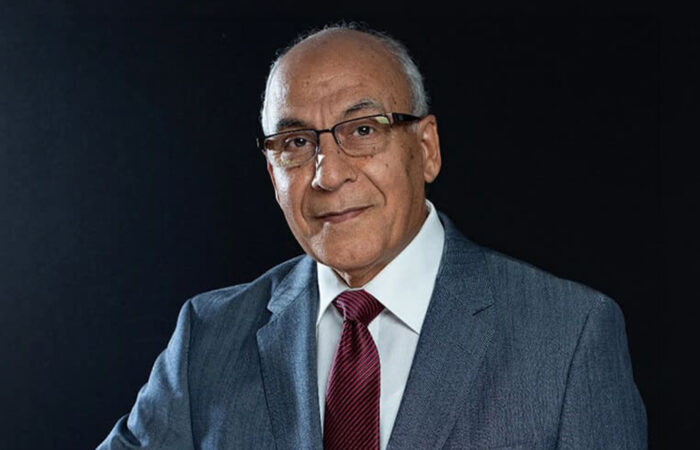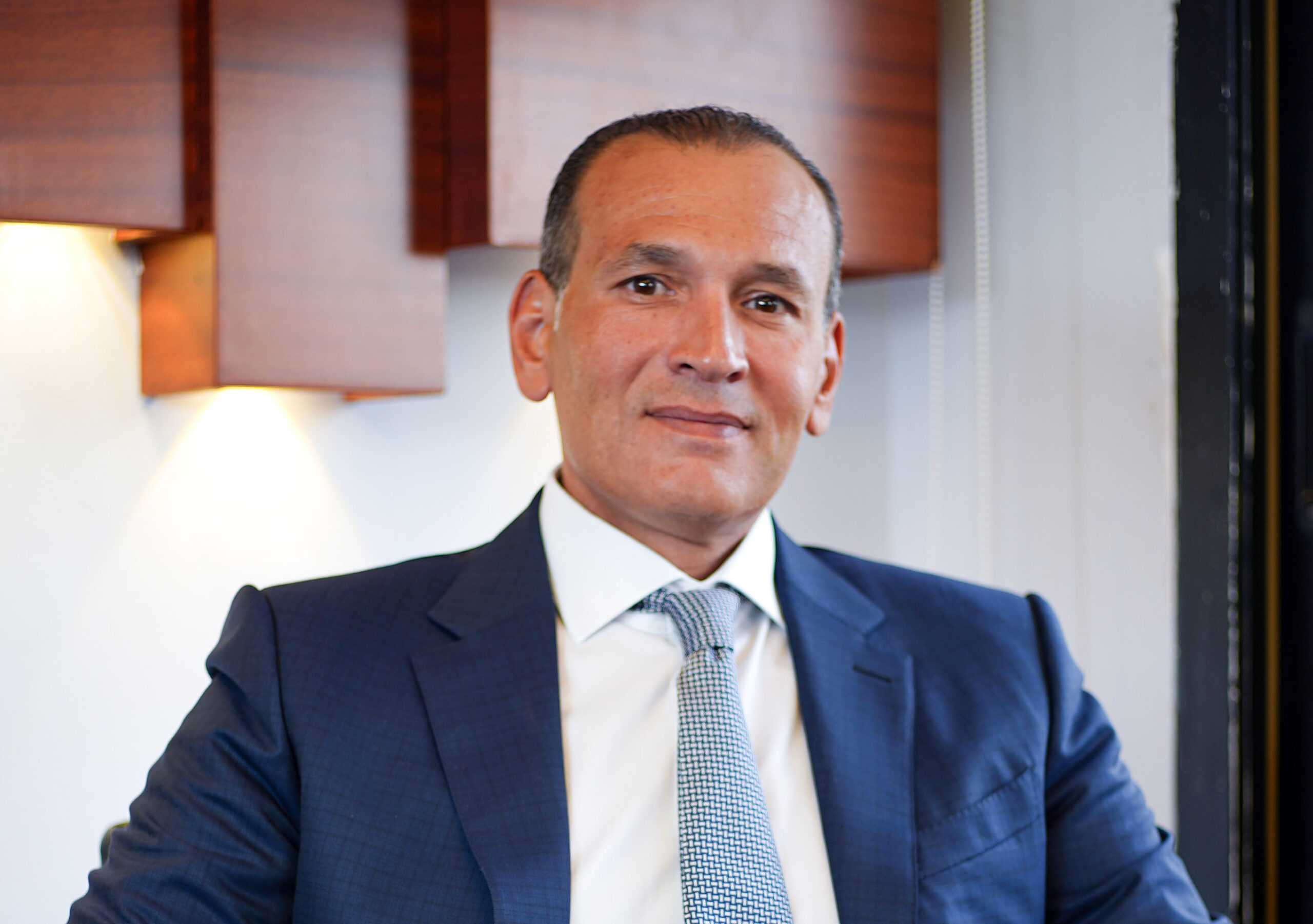

Over more than two decades, Rowad Modern Engineering has grown from an Egypt-based contractor into a major turnkey player with projects spanning North Africa and the Gulf, driven by a consistent focus on quality, innovation and client trust. Under Mohamed Mahlab’s leadership, the company has built long-term relationships with major regional developers, expanded into Saudi Arabia and entered the UAE market through strategic infrastructure projects. In this interview, the CEO outlines the company’s regional expansion strategy and its client-led approach to growth.
Q: How has your vision over the past 25 years shaped Rowad Modern Engineering’s growth from its founding to becoming a leading turnkey contractor in Egypt, the Middle East and Africa?
Mohamed Mahlab, CEO: When we began in 1998, we never anticipated reaching the scale we have today. Becoming one of the major contractors wasn’t something we expected at the outset; our priority was always centred on quality, distinction and elevating our work. From day one, we focused on advancing the industry through innovative technologies and engineering approaches, constantly striving to raise standards and deliver better solutions
This mindset helped us stand out early on and build trust with clients. We were always customer-focused, offering solutions and clear value propositions. Our goal from the start was simple: to continuously improve. The customer has always been our priority, and we’re committed to ensuring their experience is seamless, particularly when navigating complex projects.
Q: What is your current positioning among stakeholders?
MM: From the beginning, we had an international vision. In 2006 we started in Algeria, then moving into Africa after the 2011 revolution.
For years, we have worked with major UAE clients in Egypt, such as Emaar, Al-Futtaim and DP World, delivering dozens of projects and building long-term partnerships. These relationships kept us connected to the Emirati clients through regular communication and collaboration.
Two years ago, we began operations in Saudi Arabia. Starting small, we now have a backlog exceeding one billion Saudi Riyals and are executing five major projects, including power plants, buildings and wastewater treatment plants. This success gave us valuable Gulf experience.
We view the UAE not just as a growth opportunity, but as a market where we aim to stay and add value. Our first project there, a power transmission station for the Nexus project, a major data centre in Abu Dhabi, is both a challenge and a responsibility.
And today in a parallel for several projects including HSR between Dubai and Abu Dhabi under the UAE HSR programme let by Etihad Rail.
Q: What did the 2025 MEED Projects Awards mean to you?
MM: This recognition is a moment of pride for my colleagues, team and our partners executing these projects. It is a symbolic reward that shows our efforts are being seen, not only in Egypt but also internationally, through recognition by MEED.
In New Mansoura University project, ROWAD delivered comprehensive works, ranging from specialised MEP (Mechanical, Electrical and Plumbing) systems to custom architectural finishes. Every aspect of the project was thoughtfully curated and executed to elevate both the educational environment and patient care capacity adhering to the highest quality standards in every phase
Many of these projects were highly challenging. The EGAT project, Egypt’s first monetising steel project, was especially demanding both technically and in terms of schedule. This project is particularly meaningful because it was our third with the same client, marking over 20 years of collaboration. This long-term partnership reflects the trust and relationships we have built with our clients.
Q: How are you approaching innovation within the company?
MM: Digitalisation is one of our top priorities. We began this journey early, initially focusing on ERP systems. About four years ago, we launched a major integrated project with Oracle to fully digitalise our operations
We are proud to have achieved a high implementation rate: around 75% of our processes are now fully digitalised
We are now exploring how to apply AI to harness this data effectively
Our efforts have been recognised by Oracle, who invited us to present our experience as a success story at several international conferences
Q: How would you describe your leadership style and the company’s culture?
MM: First, I love being an engineer. I never forget that this is my core job, to be on the ground with my team, seeing problems firsthand, giving advice and understanding every detail.
There is no secret to culture, but I believe managing people with empathy and precision is essential. In our field, where we work with thousands of employees, about 4,500 staff and over 20,000 labourers, you must lead with empathy and stay close to your people.
Q: Why should global investors consider Egypt?
MM: Egypt, with its population of 110 million, offers a large and clear market full of potential.
Crucially, Egypt is now filled with abundant investment opportunities, driven by our commitment to rapid urban development. Our market is exceptionally attractive to all investors due to the sheer pace of transformation.