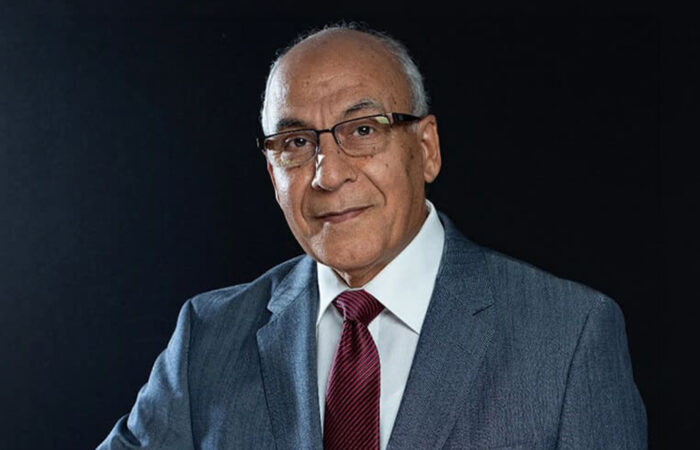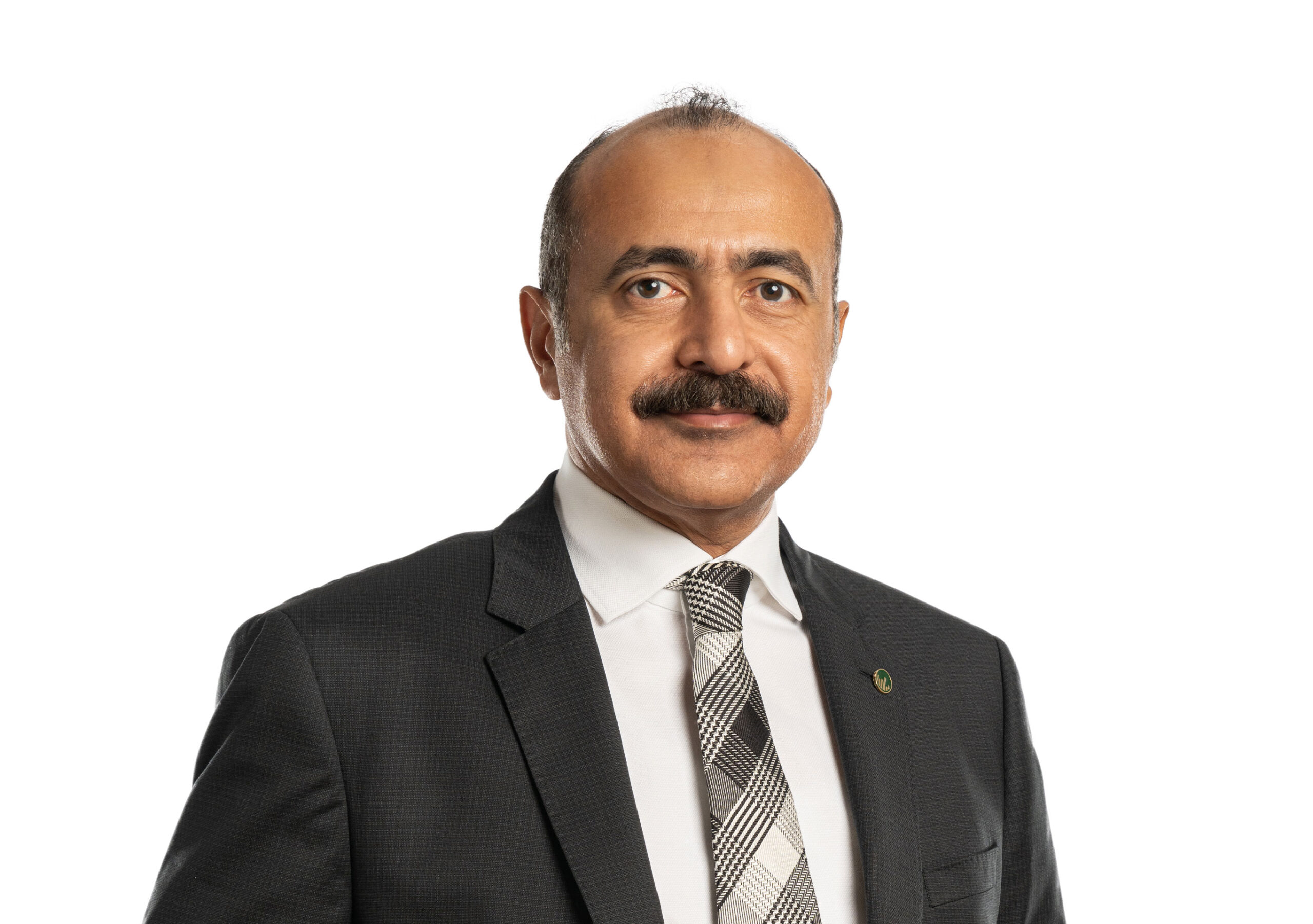

For three decades, EDECS has positioned itself around disciplined execution, engineering precision fand large-scale infrastructure projects designed to move people and goods more efficiently. From early involvement in landmark connectivity works such as the Suez Canal crossing to regional expansion and complex mobility programmes, the company frames its growth through national development outcomes rather than standalone contracts. In this interview, Hussein El Dessouky, Chairman and Managing Director of EDECS, explains how the company’ approach to innovation will strengthen delivery and performance.
Q: How would you describe EDEC’s 30-year journey so far?
Hussein El Dessouky, Chairman: I am happy; it has been a long journey. I am an engineer, so we have a passion for construction. We incorporated the company with the purpose of being defined by the quality, precision and value of our work.
Since then, we have advanced through many projects and diversified into more sectors, from ports to infrastructure. Twelve years ago, we started in KSA and then expanded in the region with the same purpose: to contribute to national development and improve people’s lives.
We want to be perceived as a partner, a trusted partner who can serve as an EPC contractor. We have very strong capabilities in engineering excellence, discipline, project controls, quality and safety.
We are also keen to maintain open communication with our clients, serving them through value engineering for the benefit of their projects. That is how we want to be perceived.
Q: As a Grade A contractor, could you highlight some key projects?
HED: Through our long journey, there are many projects. I can point to one of them from 1998: the first bridge crossing the Suez Canal, a cable-stayed bridge in El Qantara between Port Said and Ismailia, in which we had the honour to participate as a subcontractor. As I mentioned earlier, our goal is to build a company defined by the impact value of its work, and this project reflects that.
We have also worked on many projects in East Port Said, including dredging and building the first electrified project there as subcontractors 25 years ago with Maersk. Then we carried out many projects in the Middle East, projects that have had a significant impact on the growth of our country.
We can serve our partners through a platform built on excellence in engineering, using our advanced technological systems and applying strong governance. We are always looking to ensure sustainability.
All these projects have had a significant impact on connecting people and goods, easing connectivity for both passengers and commercial activities in ports and railways. Soma Bay is a touristic resort, so it reflects a clear understanding of what we have achieved. We have another marina in the north, Marassi Marina, which has also had a strong effect on tourism.
Q: Could you explain the importance of the Hadayek October-Giza high-speed rail project?
HED: First of all, we are honoured to be a co-partner in this project. It is a great shift in Egypt’s mobility transformation. We contribute to this project in many different aspects, in railways and viaducts through the construction of the viaducts, and in the stations, including the Hadayek October station that you mentioned.
We depend on our long experience in engineering, especially in coordinating between MEP and architecture, while applying strong planning and project control disciplines.
Q: What role does innovation play at EDECS?
HED: We are adapting to the latest technological solutions. We have a department dedicated to AI and applications, and we manage all of our company’s digital platforms. We believe this will simplify the whole process and help us remain focused on how to operate and how to control our performance in projects.
Q: How important is environmental sustainability?
HED: When it comes to sustainability, most of our projects serve clear sustainability objectives. Partnerships in high-speed rail, light rail transit (LRT) and port electrification all help reduce CO₂ emissions and directly support sustainable development.
Our EDECS Foundation in particular, focuses on supporting healthcare, social welfare and technical education and skills. This is one of our main areas of focus. It is our way of giving back to our community, and I think it aligns with our vision for sustainability and service.
Q: How are you preparing for the next cycle?
HED: As I have led this company for three decades, I have always believed in people, talents and in how to empower them. Empowerment, integrity, accountability and ownership are essential.
Working within a strong team, a super team and using the most advanced technological solutions together with strict governance across all our processes is very important. I also believe in humility.
Our goal is to be an EPCI infrastructure partner across the region and Africa. We are working on that. We adopted a new broader strategy three years ago with vertical integration that combines construction and development through PPP projects, which attracts a lot of attention from governments in the region. I think it will serve, through this platform, the vision of the region and will also create a backlog and pattern for our company.
Q: Why should investors consider Egypt?
HED: We encourage all investors to come here to Egypt. Egypt is now ready with a very strong network of roads, bridges, ports and airports.
I think it is a very good time for all investors, and I invite them to invest here in Egypt. We can support this with our deep knowledge of the market, our strong connections and networks, our track record, long experience and our talented people and engineering excellence. I think it is a very good chance for all of us.