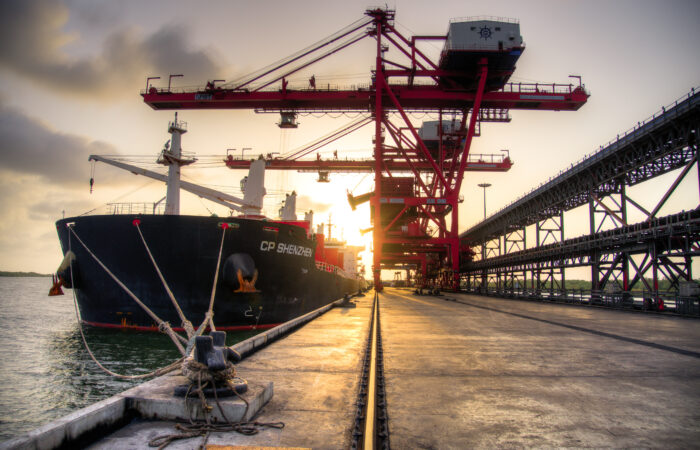
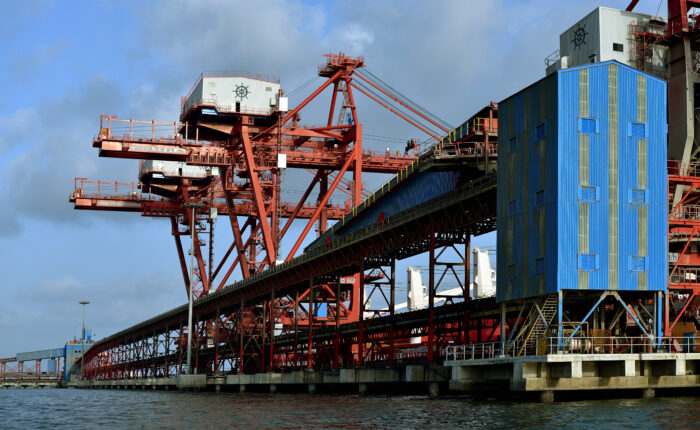
A critical enabler of economic activity, Pakistan’s logistics sector generates an estimated 15.6% of GDP. However, its fragmented nature and disproportionate reliance on road transport, which accounts for around 94% of cargo movement, create the risk of structural bottlenecks. Coupled with rising demand, driven by population growth, an expanding economy and rising e-commerce, moves to enhance the sector have taken on new momentum.
The government is taking the lead, partnering with DP World to develop a state-of-the-art logistics hub at Pipri, near Karachi, aiming to improve efficiency in cargo movements from the city’s ports to inland markets. This is supported by rail freight modernisation efforts under the Main Line-1 initiative, which will upgrade the nation’s main north-south rail corridor and further boost cargo efficiency from Karachi Port. And in October 2025, Pakistan and China agreed to establish a joint business logistics consortium to strengthen long-term trade flows and infrastructure investment.
These initiatives reflect calls from business leaders for a joined-up agenda to support industrial output. “What Pakistan needs most is policy consistency. Long-term industrial frameworks of 15 to 20 years are essential to unlock investment, ensure sustainability, and allow industries to plan with confidence,” says Ali Asghar Jamali, CEO, Toyota Indus Motor Company.
Supporting the government’s response, logistics providers are taking up the baton. Industry leaders are adopting digitally enabled platforms that enhance visibility, integrate data and improve efficiency, while strengthening links with Gulf and regional markets to further leverage Pakistan’s strategic location.
New formats and online platforms are changing the face of one of Pakistan’s key sectors.
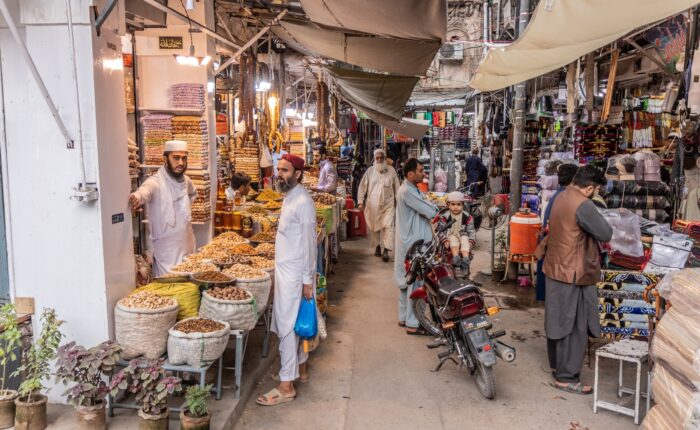
Pakistan’s retail industry is one of the country’s largest and most dynamic sectors, spanning traditional bazaars, family-run stores, modern supermarkets and brand outlets. It plays a critical role in the economy, contributing an estimated 18.2% to GDP and employing millions across its vast supply chain.
Despite its importance, the sector remains fragmented and informal, giving rise to challenges across payment acceptance, reporting and digital penetration. This can limit efficiency and scalability but also underscores significant untapped potential. Formal retail is expanding steadily, driven by urbanisation, rising disposable incomes, changing consumer preferences and improved access to technology.
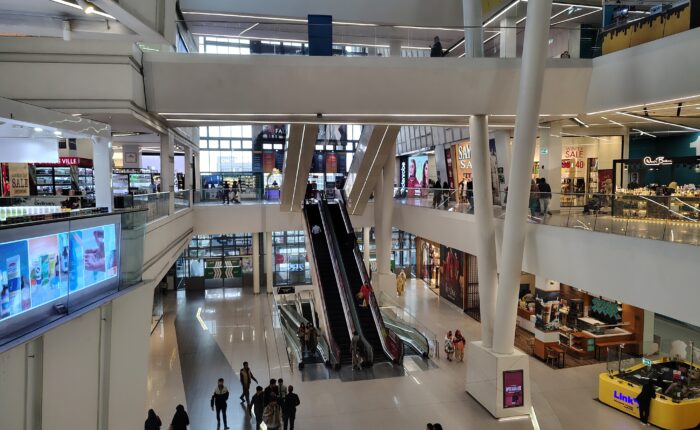
Leading domestic and international brands are opening new outlets in major urban centres while also targeting secondary cities with boutique and accessible formats. Mid-tier supermarkets, lifestyle outlets and category specialists are improving product choice, pricing options and service standards for consumers. This diversification reflects not only changing lifestyles but also broader demographic shifts in cities such as Lahore, Karachi and Islamabad.
At the same time, Pakistan’s e-commerce market has expanded rapidly in recent years. Estimates placed the value of e-commerce sales at $7.7 billion in 2024, with projected cumulative annual growth of 17% through to 2027. This is being driven by rising mobile penetration, improved delivery logistics and changing consumer habits. Established bricks-and-mortar brands such as Naheed are moving to an omnichannel model, leveraging brand trust and customer convenience to integrate e-commerce capabilities.
Technology is also reshaping the broader retail landscape. Companies are increasingly adopting digital payments, data analytics and customer engagement tools to optimise inventory, enhance visibility and personalise the shopping experience. In a market where appetite for modern retail experiences is growing, this digital evolution enables brands to better understand and serve customers.
The government has increasingly recognised retail’s importance as an economic and employment engine. In recent years, budget announcements and policy discussions have signalled efforts to encourage formalisation, expand the tax net and promote digital payments. While implementation remains gradual, there is growing alignment with industry bodies on the need for structured retail development as part of Pakistan’s broader economic reform agenda.
With a sizeable young population, fast-growing urban centres and a vibrant entrepreneurial culture, the sector holds significant potential for UAE investors. Leveraging expertise in technology, logistics and customer experience, UAE-based groups are well placed to partner with Pakistani brands in areas such as e-commerce enablement, supply chain efficiency and store network optimisation. As Pakistani retail continues to modernise and evolve, the potential for cross-border collaboration and scalable investment continues to grow.

Domestic reforms and international engagement underpin Pakistan’s strategy for economic diversification and sustainable export growth.
Q: What have been your strategic priorities since assuming office?
When I assumed office at the Ministry of Commerce, it became clear that additional opportunities needed to be explored. With that in mind, we adopted a medium-term export target of $60 billion over the next five years. The foundation for this work was the Strategic Trade Development Framework initiated in 2021, which identified 13 sectoral councils. We expanded this framework by adding four additional councils, including IT and fisheries, to focus more specifically on areas with untapped potential.
These sectoral councils are led by the private sector. Each council represents the full value chain of its sector, including manufacturers, exporters, traders and importers. In the past, these councils typically prepared reports independently and submitted them to the government, often without direct engagement.
We changed that approach. I personally chaired detailed working sessions with all 17 sectoral councils. From these consultations, we compiled detailed assessments for each sector, covering domestic potential, global demand, priority markets, value-addition opportunities and challenges. This work provides a framework to guide future export growth, improve international compliance and raise product quality.
Q: What advantages does Pakistan offer for UAE partners?
Pakistan and the UAE have a long-standing trade relationship, and business communities in both countries are familiar with each other’s commercial environments. One recent initiative has been the establishment of the Special Investment Facilitation Council, which aims to provide focused facilitation for specific investment opportunities.
Pakistan has also introduced a National Tariff Policy 2025-30, under which tariff rationalisation is planned over the next several years. This includes reducing duty structures across various sectors, which traders may wish to evaluate when considering medium-term opportunities. In addition, Pakistan’s policy rate has been reduced from 22% to around 11%, and energy pricing reforms are ongoing.
Q: How do you plan to grow trade with the UAE?
Pakistan and the UAE have continued to engage at a high level to explore investment and trade opportunities, particularly in infrastructure and commercially viable projects.
Recent developments include UAE investment in port logistics in Karachi, and expanded activity by DP World. These partnerships are intended to support logistics, transit trade and regional connectivity. Cooperation also extends to ICT, telecommunications, digitisation initiatives and knowledge transfer in ease of doing business.
Pakistan is nearing completion of negotiations on a GCC Free Trade Agreement, as well as a Comprehensive Economic Partnership Agreement with the UAE. These agreements are expected to address tariffs and other trade-related components and could open additional opportunities for businesses in both countries.