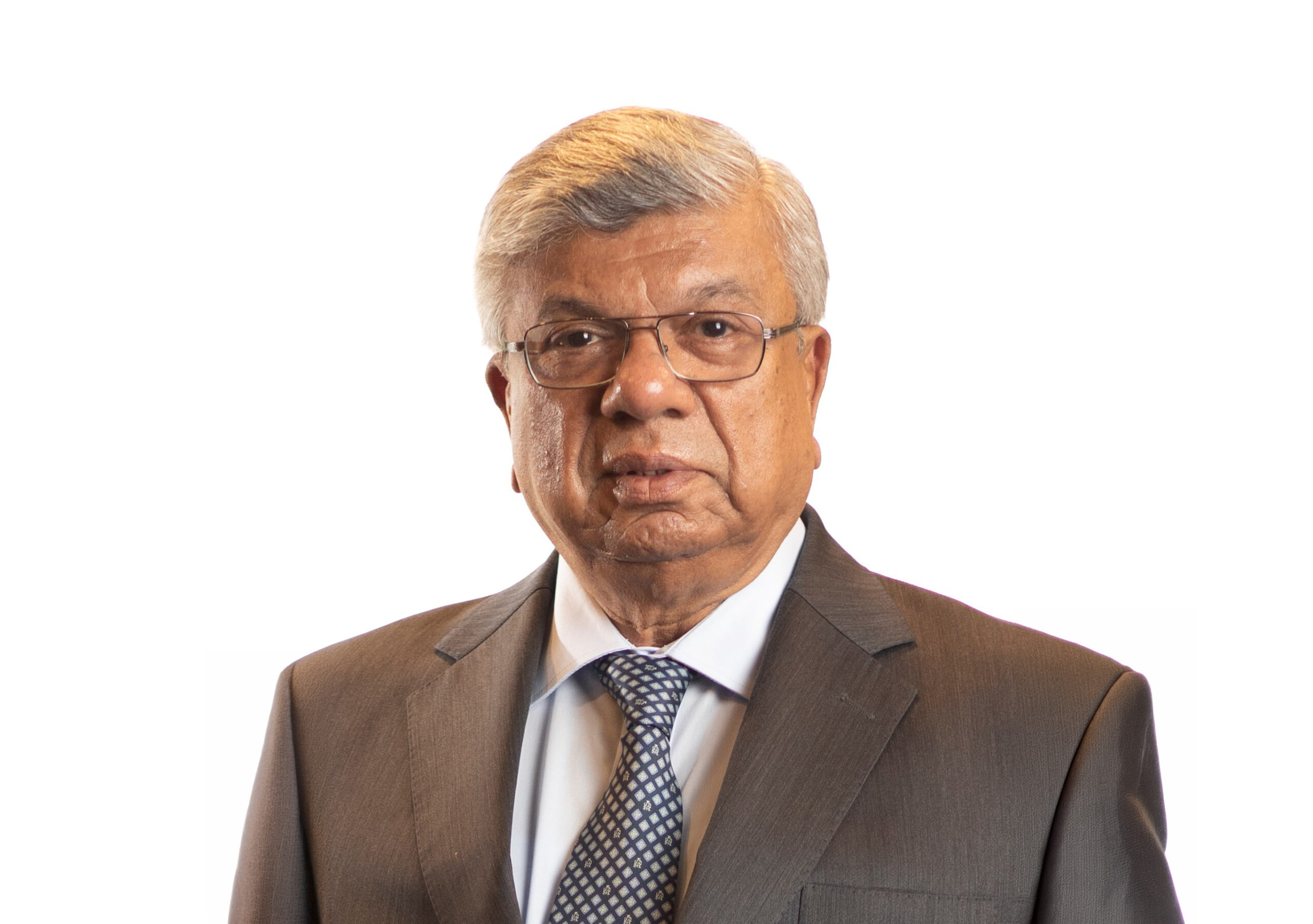

Founded by one of Pakistan’s most influential capital market figures, the Arif Habib Group has evolved from a securities brokerage into a diversified investment platform. As well as financial services, including asset management and private equity, the group’s operations span fertilisers, cement, steel, real estate and clean energy.
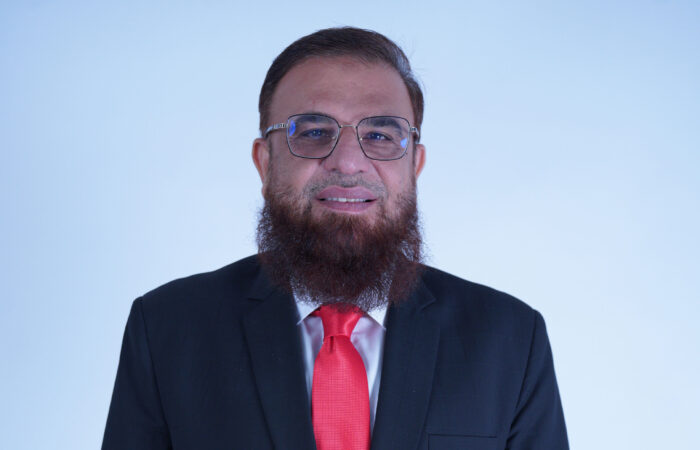
Read the exclusive interview with Founder and Chairman Arif Habib, below.
Q: How has your vision for the Arif Habib Group evolved since its founding?
Arif Habib: I began my career as a securities broker and later served six terms as elected chairman and president of this auction. I contributed to the modernisation of the stock exchange. From securities brokerage, we moved into asset management, establishing the first asset management company in Pakistan to introduce money market funds; previously only equity funds existed. This was a major success.
We then entered private equity investment, partnering with experienced industry groups and foreign investors. We also participated in the privatisation programme with the Fatima Group, acquiring Pakarab Fertilisers (PAFL) and launching a fertiliser greenfield project. Next, we expanded into cement and steel, partnering with Mitsubishi Japan on a flared steel unit.
We diversified further into real estate, co-developing Pakistan’s largest shopping centre, Dolmen Mall Karachi, and later the Lahore project. We also invested in clean energy, establishing a wind power greenfield project.
We expanded across multiple sectors. This year has been one of the best for business in Pakistan, with all sectors performing well except steel, which we expect to recover next year.
Q: How do you manage your group’s reputation across diverse sectors?
AH: Our foundation is in the securities market, where we study all listed companies and sectors. We understand that good corporate behaviour is valued by the market and strive to instil this in our businesses. We place strong emphasis on hiring skilled professionals, who ensure our companies operate according to the best international practices.
Q: What investment opportunities would you highlight for global stakeholders?
AH: Through Fatima, we entered agriculture when the government offered new land under SRC. We committed a large portion for agricultural development and recommend our international partners, especially our UAE counterparts, to explore this sector.
Mining is another promising area, particularly gold and copper. At one point, we were set to partner with Barrick Gold in the Reko Diq project after Antofagasta withdrew. Four Pakistani groups formed National Resources Limited (NRL) to study the prospects. Although the government ultimately allocated its shareholding to SOEs, IFC committed about $4 billion in financing for the $6–7 billion project. The Saudi government had also considered participation, but eventually Barrick Gold, the Government of Pakistan and the Government of Balochistan became partners. Separately, NRL acquired leases for other mining lands, where initial studies indicate significant reserves. These projects present large-scale opportunities where international investors may be accommodated in due course.
Pakistan also offers strong opportunities in real estate and construction. We pioneered the REIT concept in Pakistan, launching Dolmen Mall as the first listed rental REIT, followed by a developmental REIT for commercial apartments in Karachi’s Naya Nazimabad. Both have performed well, and real estate remains a profitable sector where UAE investors, with their own expertise, will find strong prospects.
Public-private partnerships in infrastructure development also provide attractive returns. This sector holds significant opportunities for both investors and the government.
We are already committed to mining and agriculture, both at an early stage where new investors can participate. In industries and real estate development, we have an established track record of profitable investments and can present attractive opportunities. While mining and agriculture are new for us, we will engage top international technical expertise.
Q: How do you integrate innovation into daily operations?
AH: Our team studies the latest international developments and adapts them to the local market and businesses.
Q: What about sustainability?
AH: In fertiliser, we were the first in Pakistan to reduce carbon emissions and earn carbon credits, sold in the national market through our Multan project. We are also engaged with IFC on real estate projects, receiving guidance on integrating green energy. In addition, our real estate developments include extensive tree plantation as part of our strategy.
Q: Why should UAE investors consider invest in Pakistan?
AH: Pakistan faced challenges in 2022 and 2023, particularly foreign currency shortages, but conditions have since improved. For the past two and a half years, the rupee has remained stable against the dollar, and macroeconomic fundamentals have strengthened. Inflation, once 38%, has fallen to 4% and is forecast to stay between 6% and 7%. With a population of 250 million, Pakistan offers a large existing market. The government has also pursued effective foreign policies, building international partnerships. Overall, conditions in Pakistan have improved significantly, creating strong opportunities for new investors.
Q: How have your roles at the Karachi Stock Exchange, Central Depository Company and national economic bodies shaped your leadership style?
AH: My experiences have been highly rewarding. During my tenure as chairman and president, we introduced the central depository, which greatly increased market efficiency. At one time, turnover was under one million shares; today, the Pakistan Stock Exchange handles over one billion shares daily with ease.
We also replaced the open outcry system with computerised trading, fully automating trading and settlement and enabling investors to trade online. Further reforms reduced broker dominance on the board, ensuring independent members and financial institutions now govern the exchange.
We facilitated the sale of 40% of the Pakistan Stock Exchange to a Chinese consortium, which now manages it efficiently.