
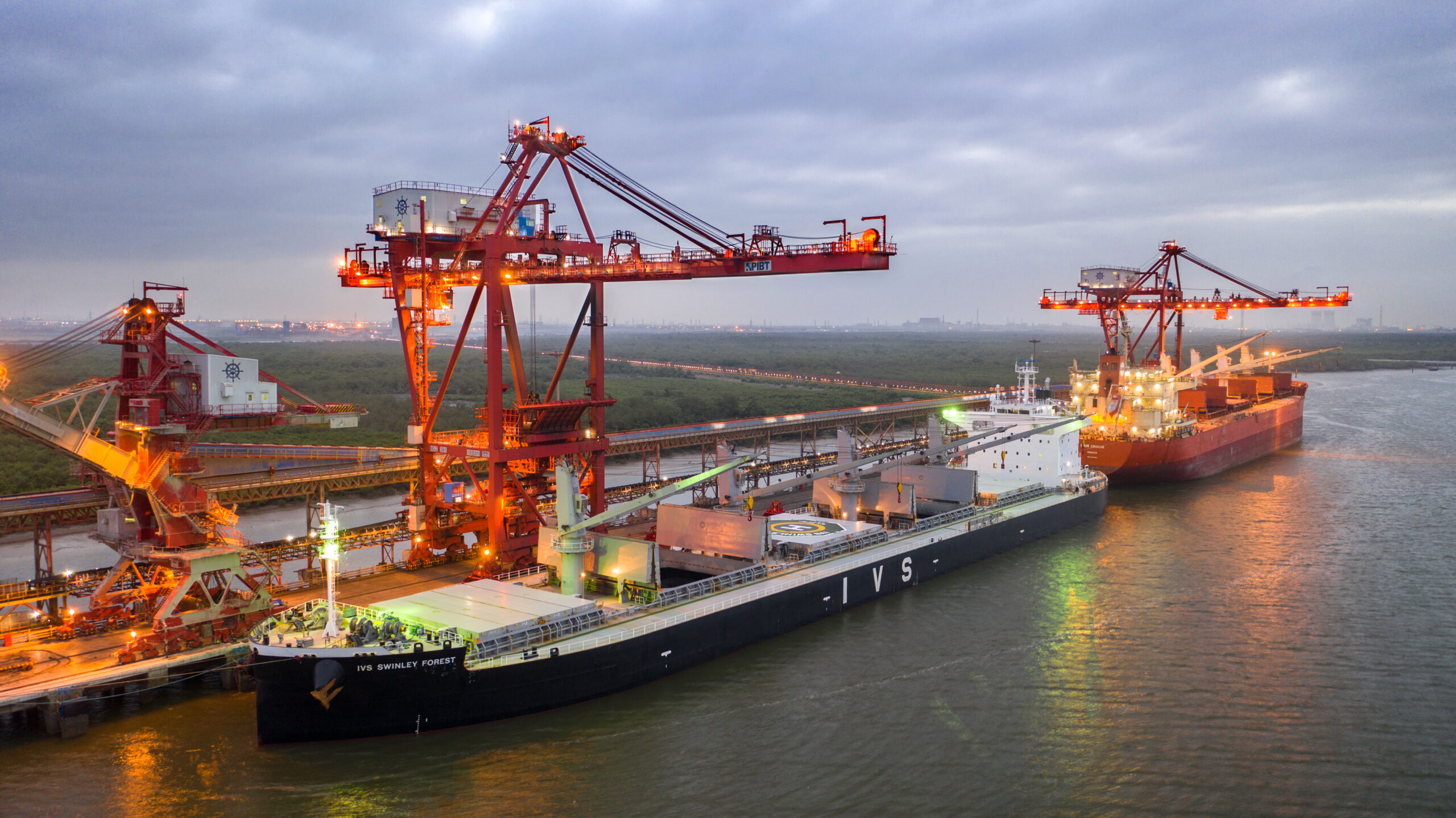
Pakistan International Bulk Terminal (PIBT) operates Pakistan’s first dedicated dirty bulk cargo terminal at Port Qasim. Developed with an investment of $305 million, partially financed by the IFC, the hub is backed by experienced management.
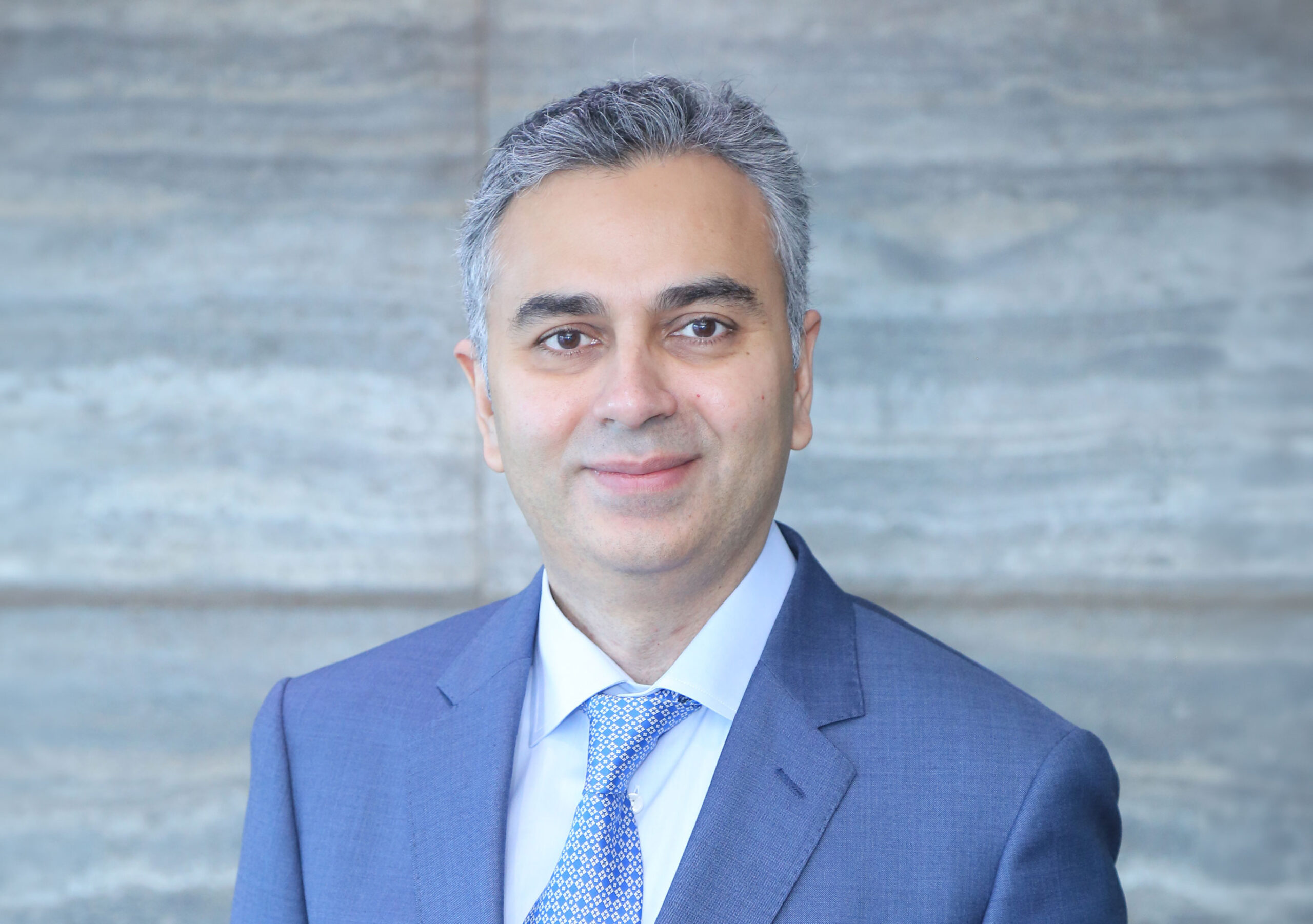
Read the exclusive interview with Sharique Azim Siddiqui, CEO and director, below.
Q: How do you see your role evolving as Pakistan expands from coal imports to mineral exports in the coming years?
Sharique Azim Siddiqui: Our clients are cement factories, power plants and other coal-fired facilities. They import coal, and we handle it at the port, delivering it to their designated trucks.
In Pakistan, we developed the first dirty bulk cargo terminal at Port Qasim near Karachi, investing USD 305 million in PIBT to introduce advanced bulk-handling technologies. The World Bank, through IFC, partnered with us by providing both equity and debt. Their support aimed to bring modern coal and bulk-cargo handling methods to Pakistan.
Although we have established export capabilities for cement clinker, we have handled five vessels for clinker export, our core activity is the handling of imported coal vessels.
Looking ahead, we expect to handle mineral exports as Pakistan develops into a mining-and-minerals exporter over the next two decades. We are in advanced discussions with the country’s leading copper and gold project and hope to partner with them for future exports from Pakistan, which are expected to commence in 2028–29.
Our main clients are factories in Pakistan that import coal directly. They bring their vessels to PIBT, where we offload and deliver the cargo. We are not commodity traders but port handlers, and some of the coal traders and vessel providers are based in Dubai.
Q: How do you want international investors to perceive your operations?
SAS: Over 10 years ago, we engaged Hamburg Port Consultants to design this project. With financing from the World Bank, we built the facility to international standards.
Our operations are equipped to handle large-scale vessels carrying coal up to 68,000 MT, with a standard discharge turnaround of 48 hours or less. Previously, at Karachi Port, discharging the same vessel took five to seven days without mechanised systems, conveyor belts or dust suppression, causing severe pollution.
The Supreme Court, responding to pollution petitions, ordered coal handling to be shifted from Karachi Port to Port Qasim, about an hour from the city. We were prepared for this transition and have managed coal handling there ever since.
Q: How could external investors benefit from your operations?
SAS: As the only active port terminal listed on the Pakistan Stock Exchange (PSX), investors can acquire shares directly from the PSX or engage with us as project sponsors.
We have developed 50,000 tons of cement-export silos, the only such capacity in Pakistan, along with the capacity to export four million tons of bulk cargo per annum.
A bulk-trading firm based in the UAE could use this facility to export up to four million tons annually of bulk cargo from Pakistan.
Q: Why is PIBT a strong regional partner?
SAS: Our coal imports come via clients who source from South Africa, Indonesia and Africa but have regional offices in the UAE.
Cement exports present a potential opportunity. Pakistan has about 90 million tons of installed cement capacity, with 8–9 million tons exported annually. A major player could use our facilities to expand exports, possibly routing them through the UAE as a global hub.
Looking ahead, we are working with Pakistan’s mining sector. In about three years, we expect mineral production to begin, and PIBT is well positioned to handle those exports with our bulk-export system. The UAE could be a natural first stop for such trade.
We note that UAE sovereign funds have invested or committed to invest in Pakistan, including taking over some Karachi Port berths, reflecting the government’s interest in their participation. Even now, our operational collaboration with Dubai exists indirectly. We source parts and equipment, such as wire ropes for cranes, from suppliers in the Jebel Ali Free Zone.
Q: What sustainability initiatives are you prioritising now?
SAS: As part of our corporate social responsibility, we have planted mangroves over 1,200 acres in the Port Qasim area. We also supported IUCN’s initiative to plant one million mangroves along the Sindh coast, including Karachi.
Beyond environmental work, we contribute to local communities by financing schools and training programmes. In compliance with the environmental guidelines of the World Bank, we have implemented extensive environmental measures, including running mangrove nurseries that provide saplings to companies for further plantation. Protecting the environment in Pakistan remains a key priority for us.
Q: How have your roles at PICT, Marine International Container Terminal and the Lahore Island container depot shaped your leadership style today?
SAS: Previously, we set up a container terminal at Karachi Port, later sold to a foreign operator in 2012. That was Pakistan’s first listed port project; ours is now the second.
We also built an off-dock terminal in Lahore, which we sold some time ago. Personally, I have been developing and managing cargo-handling terminals in Pakistan for about 30 years. Our family’s involvement dates back to the 1970s, when my father established a maritime business, and we have been active in cargo handling ever since.