
Orbis bets on deep processing as Kazakhstan opens new phase for foreign investors
With more than 15,000 employees and operations spanning automotive manufacturing, agriculture, logistics and energy, the company is shifting into industrial production
New efforts toward deeper industrial processing are reshaping Kazakhstan’s investment landscape, particularly across manufacturing, agriculture and logistics. As the country positions itself as a regional industrial and transit hub, diversified business groups are moving further along the value chain while seeking international partners.
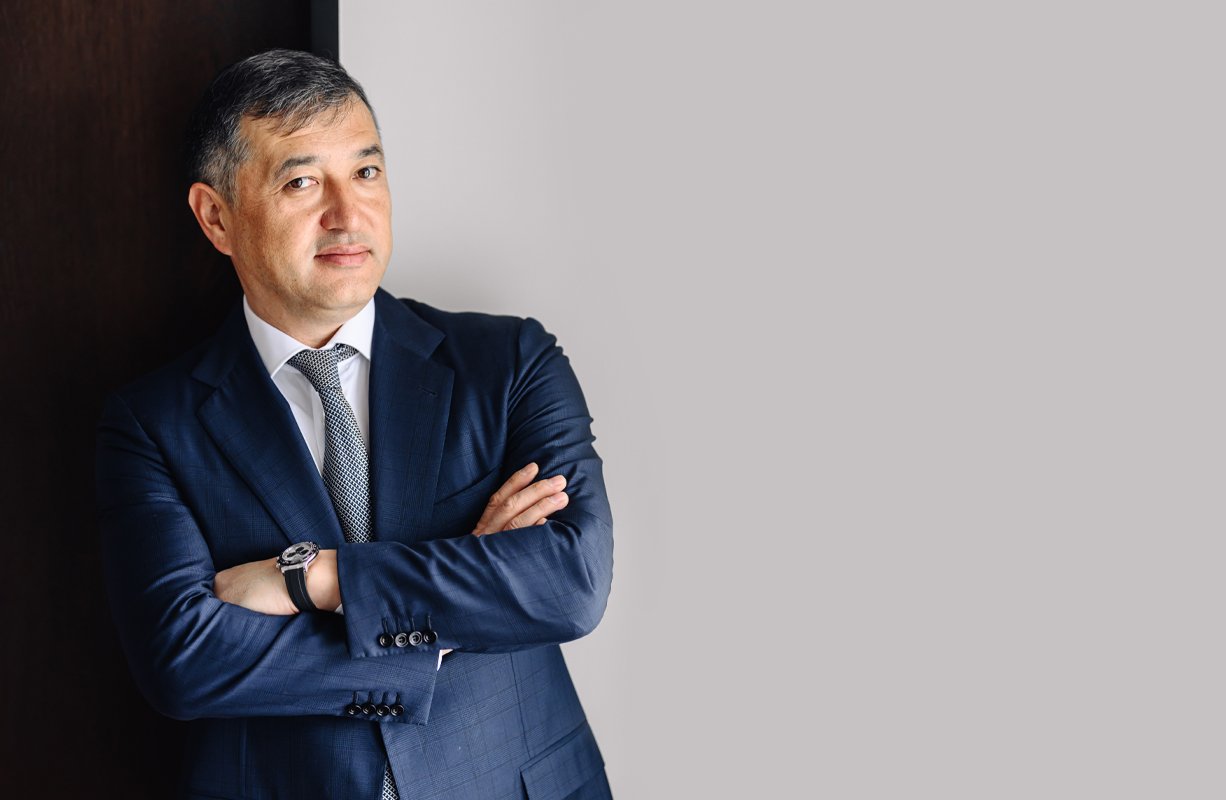
In an exclusive interview with Global FDI Reports, Farrukh Makhmudov, founder and chairman of the board of Orbis Kazakhstan Group of Companies, discusses the group’s long-term strategy, Kazakhstan’s structural moment and why he believes the current window is critical for foreign investors, including those from the Gulf.
Q: As Orbis approaches its 25th anniversary, how has your original vision evolved?
Farrukh Makhmudov: Since the formation of Orbis Group, the name has changed, but that was likely the only real transformation. In general, the vision and strategy remain the same. Ultimately, our goal has always been to move toward deep processing in all sectors where we operate.
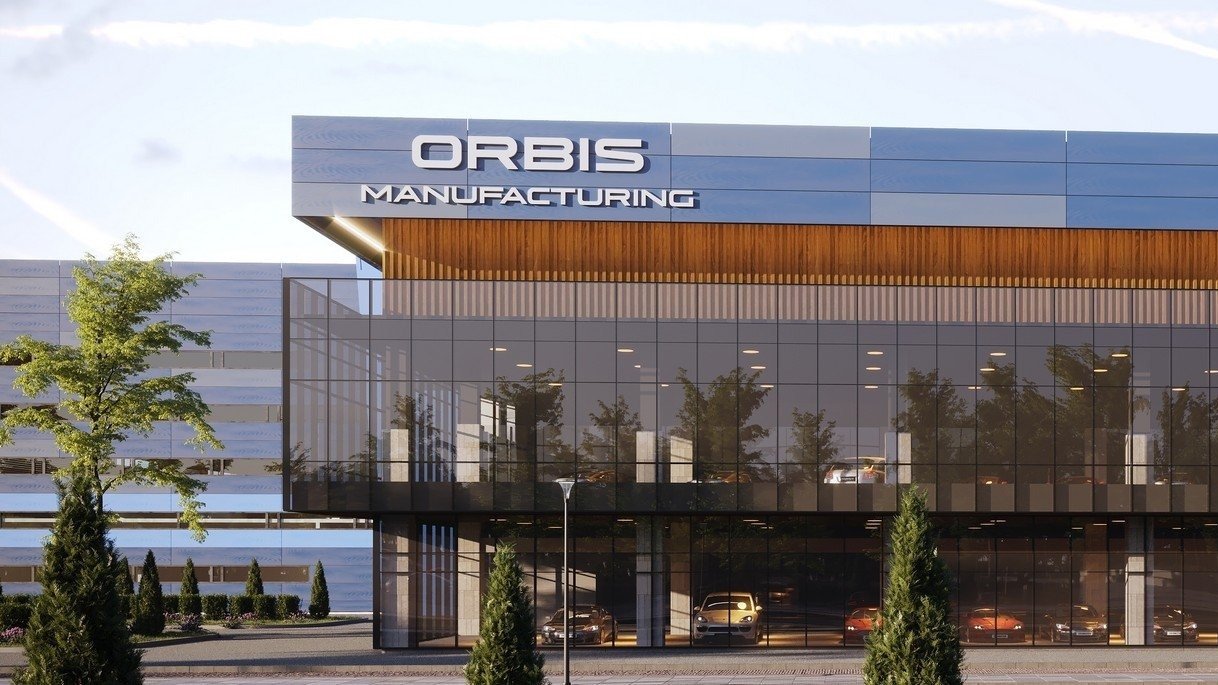
We began in automotive retail and are now building a manufacturing plant. This year, a large hub for the localisation of auto components and spare parts will develop. Automotive manufacturing creates a wide range of related production activities. We would be very happy to see investors from the GCC enter at this stage. This is the right time.
In agriculture, we began with the export of grain and oilseeds and are now moving into processing. The same applies to dairy. By opening new farms and producing milk, we are moving toward the deep processing of dairy products.
Q: Why is deep processing so important for Kazakhstan’s economy?
FM: Deep processing allows us to optimise the final product and reduce costs for consumers. Instead of exporting raw materials and importing finished goods, we process resources locally and produce the final product here.
Kazakhstan is a country rich in natural resources. It is the ninth largest country in the world, and almost the entire periodic table is represented here. Moving into deep processing is therefore a natural direction. From the beginning, our goal was to move from trading and sales into industrial development within the country.
Q: Why is now the right moment for foreign investors to come?
FM: After the collapse of the Soviet Union, we did not have fifth or sixth generations of industrial businesses. We only began building them in the late 1990s. Today, production needs have reached a critical point, and the foundation is in place. This is precisely the phase when it becomes most interesting for foreign investors to enter and localise production. It is the most opportune time.
Q: What unites your businesses, given their diversity?
FM: What unites them is necessity. When we started, there was demand in specific sectors, and we grew in response to those needs.
For foreign investors, the defining feature is diversification. It allows balance across cycles. Different industries experience different conditions in different years. Diversification allows us to maintain stability and a long-term presence in the market. This has always been our strategy, not to rely on a single sector, but to build a portfolio of businesses that can support steady development over time.
Q: How does government support work in practice for foreign investors?
FM: The President’s policy of attracting foreign investment, including from the Arab Emirates and the wider Persian Gulf, is important. Government support demonstrates openness, transparency and the security of investments.
This is the right moment to enter, because once the sector is fully developed, entry will be more expensive, and the advantages will be smaller. Today, investment is strongly supported by state institutions, and foreign investors are actively encouraged.
Q: How do you position Kazakhstan in logistics and infrastructure?
FM: Kazakhstan is the centre of Central Asia. It is the largest country in the region and the ninth largest in the world. We are located in the heart of Central Asia, and the Silk Road passes through us. Kazakhstan is not only a logistics hub; it is also an industrial hub. The connection between China and Europe runs through our territory.
Traffic volumes are already high. The development of logistics is therefore extremely important for us: this is strategically important both for the Arab Emirates and for us. It would create a strong partnership and enable closer cooperation in trade and economic development.
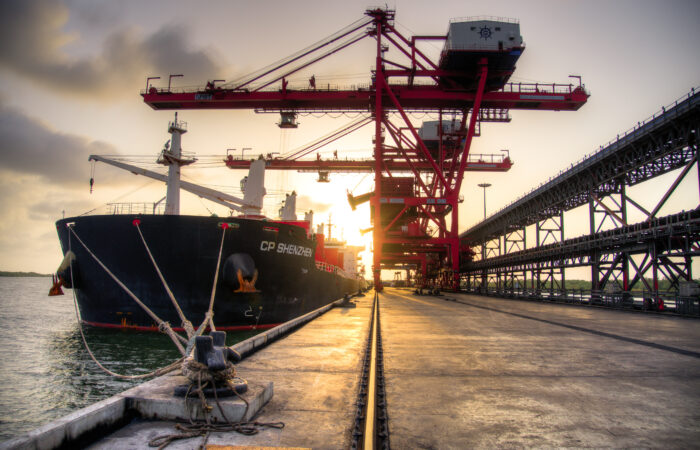
Ports such as Aktau and Kuryk have significant potential but require further development. The UAE’s experience in building globally competitive ports is highly valuable to us.
Q: What are your priorities in terms of market position?
FM: We do not set rigid targets. Our midterm objective is to be among the top five players in each sector, with the long-term goal of moving higher over time.
We see the group as an ecosystem that needs to function in a healthy, balanced way, with different businesses supporting one another, developing together and adopting new technologies and innovations. We are fully open to partnerships.
Q: Which projects are most important right now?
FM: The primary focus today is automotive manufacturing. This is the first major seed we have planted. Once construction is completed, localisation of auto components will begin, followed by the production of various car parts. This will form a large industrial cluster and enable the development of related industries, including commercial, agricultural and heavy machinery. This, in turn, stimulates deep processing in other areas, such as metals and rubber. Polypropylene production is also starting.
In agriculture, the priority is deep processing of grain and oilseeds into finished products. There is no reason to import goods that can be produced locally with strong export potential.
Turning to tourism, this sector is also essential. Tourist numbers are rising steadily. Even in the hotels today, a large share of visitors are arriving from the Middle East. If we look at the experience of the Arab Emirates, they created a global destination through service quality and hospitality, essentially starting from the desert. That experience is extremely valuable for us.
Q: How do you think about talent and long-term retention?
FM: What matters most to us is the environment in which people work. We spend a large part of our lives at work, so people should feel comfortable and engaged in what they do. When people are satisfied, results follow.
Our focus is on internal growth. We invest in training, professional development and cross-divisional mobility. We are building internal systems that allow people to grow within the group.
Q: Why should GCC-based investors consider opportunities in Kazakhstan?
FM: For many citizens of Kazakhstan, the UAE, especially Dubai, already feels familiar. There is constant movement back and forth. I would like people from the Persian Gulf, including the UAE, to feel the same sense of openness and comfort when they come here.
Kazakhstan offers four seasons, vast and unspoiled nature and real, healthy food. There is also a rich culture and a welcoming society. Investors from the GCC who come here will not be disappointed. They will find partners, long-term relationships and genuine opportunities.