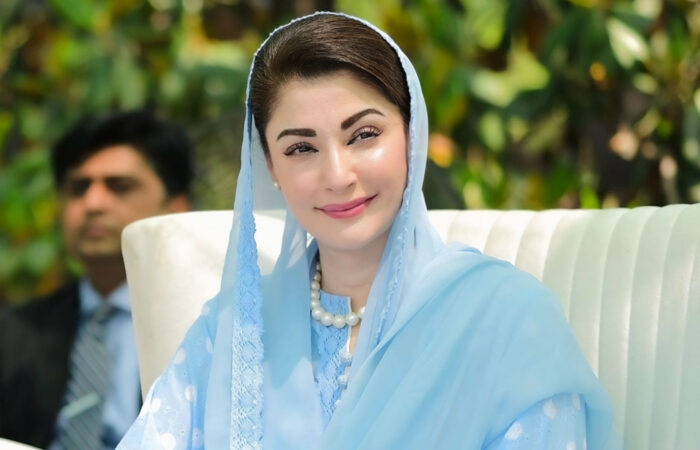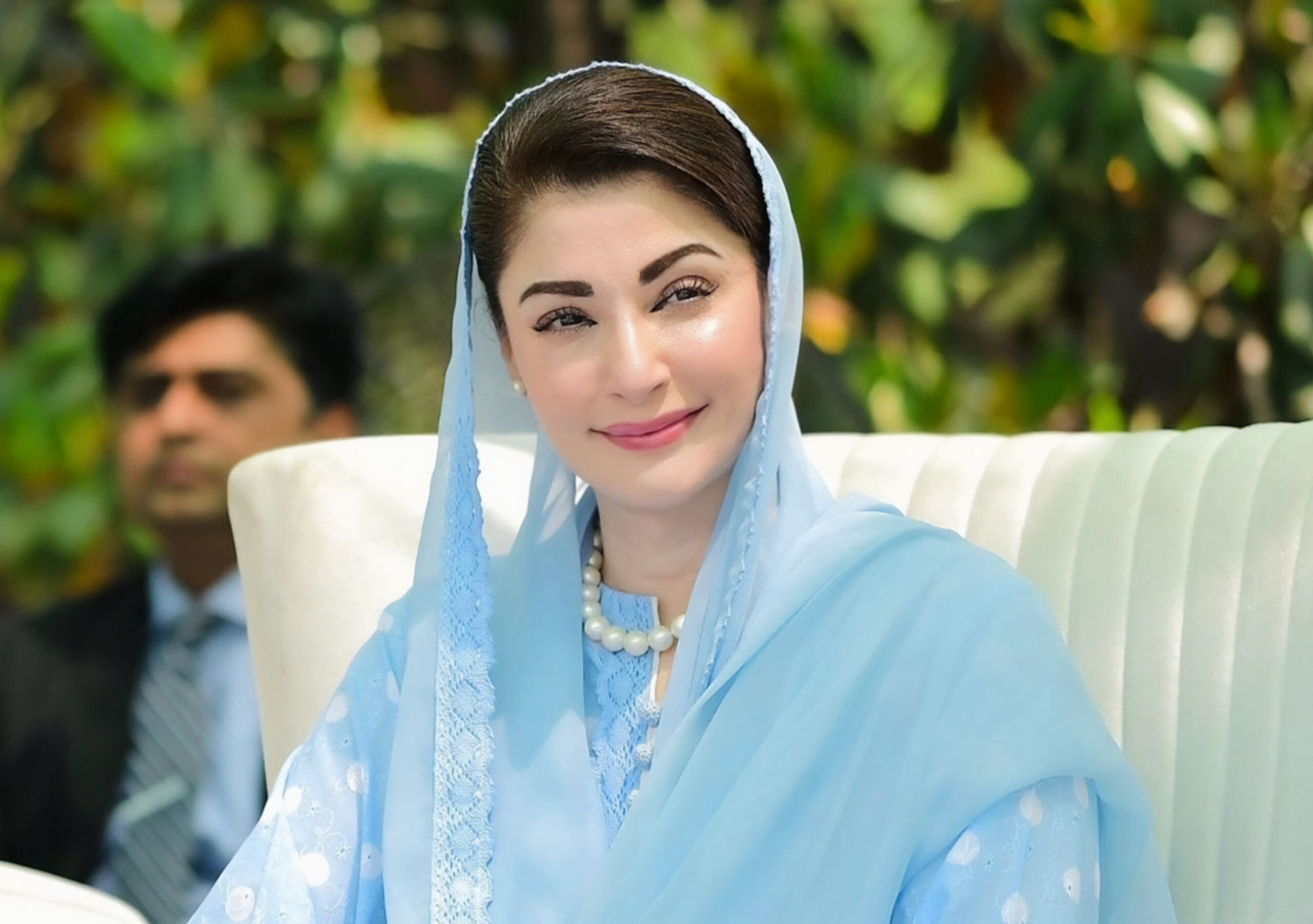

Technology, institutional reform and investor facilitation are at the centre of a reshaped governance model in Punjab, Pakistan’s largest and most economically important province. The region is positioning itself around a renewed governance agenda defined by greater transparency, efficiency and inclusivity through digital reform and institutional modernisation. In this interview, Maryam Nawaz Sharif, the first female Chief Minister of Punjab, outlines the province’s next phase of development.
Q: What is your strategic vision?
Maryam Nawaz Sharif, Chief Minister: Technology, institutional reform and women’s empowerment are shaping a new model of public service in Punjab, the largest province of Pakistan.
Punjab, Pakistan’s most populous and economically significant province, is undergoing a governance transformation driven by digital innovation and institutional reform. By integrating technology into public service delivery and expanding opportunities for women, the provincial government is working to create a more transparent, efficient and inclusive model of governance. These reforms aim not only to improve citizens’ daily interactions with the state but also to strengthen Pakistan’s broader trajectory of sustainable and equitable development.
My vision, as Pakistan’s first female Chief Minister, is to redefine what governance means in Pakistan. Public service, in my view, must go beyond administrative management; it must reflect a commitment to dignity, equity, fairness and opportunity for every citizen. Punjab, the country’s economic and demographic heart, requires a governance model that is responsive, transparent and capable of meeting the aspirations of its people. For this reason, digital transformation lies at the centre of my reform agenda.
Across Punjab, we are harnessing technology to make governance more accessible, transparent and efficient. Digital platforms are enabling citizens to interact with the state in ways that are simpler, faster and more equitable. Through E-Payment Punjab, citizens can now pay taxes and government fees securely and transparently through digital channels. E-Khidmat Centres provide one-window access to a wide range of essential public services, reducing bureaucratic complexity and saving valuable time for citizens.
Yet governance cannot be measured by systems alone; it must ultimately be judged by its impact on people’s lives. As the first female Chief Minister of Punjab, I feel a profound responsibility to ensure that governance expands opportunity, safety and dignity for women.
Punjab contributes nearly 60% of Pakistan’s GDP, making it a critical engine of national growth. Strengthening governance in this province therefore carries significance far beyond its borders. By modernising institutions, expanding access to public services and empowering citizens – especially women – we aim not only to transform governance in Punjab, but also to contribute to Pakistan’s broader journey toward inclusive development, institutional resilience and sustainable prosperity.
Q: What drives Punjab’s economy?
MNS: As Punjab strengthens its role as Pakistan’s breadbasket and industrial powerhouse, it is increasingly positioned to serve national prosperity ensuing from a deeper integration into global markets.
Punjab plays a decisive role in Pakistan’s economic stability, underpinning both national food security and industrial production. As the country’s largest agricultural producer and a major centre of manufacturing and exports, the province dominates Pakistan’s economic output. Strengthening Punjab’s production capacity and advancing value-added industries therefore remain central to the Government of Punjab’s strategy for sustainable growth and global competitiveness. Punjab lies at the heart of Pakistan’s economic stability, serving as the backbone of both the country’s industrial production and its food system. The province produces more than half of Pakistan’s wheat supply and remains a major producer of rice, contributing nearly USD 4 billion to national rice exports. Punjab also accounts for 85% of the nation’s mango production, 98% of its potatoes and 64% of all vegetables grown in Pakistan.
In addition, the province produces 96% of the country’s citrus and contributes the entirety of Pakistan’s citrus export value. These figures underscore Punjab’s central role in ensuring both domestic food security and the growth of high-value agricultural exports, particularly to markets in the Middle East. On the industrial side, Punjab anchors more than 60% of Pakistan’s textile base, a sector that generates between USD 17 and 19 billion in annual exports.
Punjab is also home to one of the world’s leading clusters for surgical and medical instruments, with more than 25,000 exporters serving markets in the Kingdom of Saudi Arabia, the United Arab Emirates, the wider Gulf Cooperation Council region, Europe and beyond.
Q: What are Punjab’s main competitive advantages?
MNS: Attributable to Punjab are economic incentives, regulatory stability and the spirit of cooperation. Investors from the United Arab Emirates will be pleased to operate in a province eager to facilitate and committed to consolidating long-term economic association.
Punjab is positioning itself as one of South Asia’s most attractive destinations for investment by combining structural reforms with strong investor facilitation. Through Special Economic Zones, streamlined regulatory processes and digital governance platforms, the province is building a predictable and transparent business environment. These reforms are designed to unlock new opportunities for international investors – particularly from the Gulf region – in sectors aligned with long-term global economic trends.
When I extended an invitation to companies from the United Arab Emirates to visit Punjab, I did so with full confidence in the direction our economy is taking and in the reforms we have introduced to encourage long-term investment. Punjab today hosts 22 Special Economic Zones (SEZs – the highest concentration in Pakistan – with nearly 60% developed through private-sector leadership. These zones offer ready-to-use industrial land, a one-time exemption from customs duties on the import of machinery and a ten-year income tax holiday, providing investors with a strong foundation for establishing operations.
What truly distinguishes Punjab, however, is our model of investor facilitation. Through fully automated Business Facilitation Centres (BFCs) and a zero-time-to-start operating policy, investors can obtain approvals, permits and no-objection certificates under a single roof. This approach reflects a broader commitment to building a business environment grounded in consistency, predictability and transparency – principles that are essential for long-term investment confidence.
For international partners, Punjab offers substantial opportunities across a range of emerging and high-growth sectors. These include halal meat and dairy production, post-harvest logistics and cold-chain infrastructure, electric vehicle assembly ecosystems, the processing of precious minerals, salt-based industrial estates and integrated industrial parks within Special Economic Zones.

Q: How do technology and sustainability connect under your leadership?
MNS: As its reforms for clean air, sustainable mobility and adoption of contemporary technologies complement and reinforce each other, Punjab continues to emerge as a model of green growth in the region.
Punjab is transforming its public transportation system through the integration of electric mobility, digital management systems and climate-conscious urban planning. By expanding electric bus networks and investing in smart transport infrastructure, the province is improving accessibility, reducing emissions and enhancing urban mobility. These initiatives form a critical component of Punjab’s broader strategy to promote environmental sustainability while strengthening economic and social connectivity.
The transformation of Punjab’s transportation system into one that is safer, cleaner and more inclusive is being driven by technology. Building on the success of our initial 27-electric-bus pilot programme, we approved a province-wide initiative introducing 1,115 electric buses as part of our broader green mobility strategy. At present, 270 electric buses are operating across Punjab, collectively transporting more than eight million passengers through energy-efficient and digitally managed operations.
These buses are supported by intelligent fleet management software and renewable energy–powered charging systems that minimise operational inefficiencies, optimise scheduling and enable continuous route monitoring. Digital ticketing, real-time passenger information systems, onboard Wi-Fi and charging ports have made public transport more reliable and accessible.
This transformation aligns closely with the province’s E-Mobility Vision 2030, which seeks to reduce transportation-related emissions while guiding our cities toward cleaner, technologically advanced mobility networks. Punjab is also working in partnership with the World Bank to implement the Punjab Clean Air Program, which promotes climate-smart urban planning, strengthens air quality monitoring and supports the transition to low-emission transportation systems.
Q: How is agriculture being upgraded?
MNS: These reforms, from unprecedentedly enhancing quality and production to ensuring strict compliance with requirements for exports, are transforming Punjab from a traditional food-producing region into a modern, standards-driven international supplier capable of reliably serving the growing demand of the UAE and the wider GCC region.
Punjab is undertaking comprehensive reforms to modernise its agricultural production and export ecosystem, strengthening its capacity to serve high-value international markets. Through targeted programmes that improve crop quality, mechanisation and farmer access to finance, the province is aligning agricultural production with global standards. These initiatives are positioning Punjab as a reliable supplier to the United Arab Emirates and the wider Gulf Cooperation Council region.
By modernising its agricultural production systems and export infrastructure, Punjab is strengthening its position as a dependable and high-quality supplier for markets in the United Arab Emirates and the wider Gulf Cooperation Council region. The province produces the vast majority of Pakistan’s citrus, mango, potato and vegetable output, making it central to the country’s agricultural export capacity. To further enhance quality and productivity, the government has launched the Citrus Revival Program, with a total investment of PKR 1.43 billion. The programme focuses on strengthening nursery systems, improving disease management, rehabilitating orchards and modernising post-harvest handling.
At the same time, Punjab is strengthening productivity and export compliance through farmer support programmes and large-scale agricultural mechanisation. The Chief Minister’s Punjab Kisan Card Program provides farmers with access to interest-free production loans, enabling them to invest in inputs and modern farming practices. Complementing this initiative, the High-Power Tractor Program and the High-Tech Mechanization Program are improving land preparation, harvesting efficiency and post-harvest quality.
Together, these initiatives are strengthening yield reliability while ensuring that Punjab’s agricultural produce consistently meets export-grade standards.
Q: Why should UAE investors consider Punjab?
MNS: The confluence of stability, opportunity, skilled human capital and an advancing ecosystem of information technology makes Punjab a compelling destination for investment today.
Punjab is positioning itself as a key destination for international investment by combining macroeconomic stability with institutional reform and digital governance. As Pakistan’s largest economic hub, the province offers investors from the United Arab Emirates a diverse set of opportunities across traditional industries and emerging technology sectors. Strengthened by regulatory modernisation and a competitive workforce, Punjab is preparing to translate renewed economic confidence into durable partnerships with global investors.
Pakistan has entered a period of renewed stability, and Punjab is ready to translate that stability into long-term economic opportunity. International partners are increasingly confident in Pakistan’s economic outlook; the national currency has stabilised and inflation is declining. Punjab is reinforcing this positive momentum through digitalised public services, streamlined regulatory frameworks and comprehensive governance reforms.
The rise of the United Arab Emirates as Pakistan’s largest foreign investor is deeply encouraging, yet it represents only the beginning of a deeper phase of economic collaboration.
Above all, Punjab’s greatest strength remains its people. The province is home to a well-trained and increasingly competitive workforce, with expanding capabilities in engineering, industrial operations and digital technologies.
Q: How would you describe your leadership approach to governance?
MNS: Relentlessly committed to improving the lives of the people, governance must at all times remain immersed in compassion, provident foresight and meaningful action.
My early involvement with the Sharif Trust, Sharif Medical City and the Sharif Education Institutes profoundly shaped my understanding of public service. Through these institutions, I came to appreciate that leadership must begin with compassion and a deep sense of responsibility for the dignity and well-being of every citizen. During this period, I was also exposed to the practical challenges people face in accessing healthcare, education and social support.
In 2013, while leading the PML-N election campaign, I travelled extensively across Punjab and interacted with communities in both urban and rural areas. These engagements allowed me to better understand the aspirations, frustrations and hopes of ordinary families. They also reinforced my conviction that effective governance must be grounded in a genuine understanding of people’s everyday realities.
Later, as the Chairperson of the Prime Minister’s Youth Program, I witnessed firsthand how initiatives supporting youth entrepreneurship, skill development and scholarships could transform individual lives while strengthening the country’s long-term development prospects. These experiences helped shape my view that two qualities are indispensable for leadership: clarity and courage.
Ultimately, leadership gains its legitimacy not from authority alone, but from the trust earned by serving people with empathy, conviction and unwavering commitment.