
Since commencing production in 1994, Biafo Industries has emerged as one of Pakistan’s two market-leading explosives manufacturers, supporting the country’s petroleum, infrastructure and industrial development for more than three decades. The company operates a major manufacturing facility in Hattar, Khyber Pakhtunkhwa, originally acquired from South Korea’s Hanwha and built on DuPont’s Tovex tech.
Read the exclusive interview below.
Q: What role does your company play in supporting Pakistan’s petroleum exploration, seismic work and infrastructure development projects?
Anwar Moin: My journey started: from petroleum to an industry that still supports petroleum exploration through seismic work where explosives are used.
We acquired an industrial estate around 60 kilometres from here in Khyber Pakhtunkhwa (KPK) from Hanwha, a South Korean conglomerate. Hanwha provided the plant and the Tovex technology we acquired from DuPont; later we managed operations ourselves.
The explosives industry in Pakistan is small, about four or five companies. The two major players are Biafo, which is in the private sector, and Wah Nobel, which is in public sector. We are a listed company and have performed well. Biafo’s market share is around 35–40%. Wah Nobel, a P.O.F. Group subsidiary, leads at about 50%; 3–4 other licensed private companies hold the remaining 5–10%. We are essentially the two market leaders.
Regarding products, we have innovated and improved extensively; our products are preferred in the global market. We supply petroleum companies (OGDC, Mari, PPL) and seismic-service providers, including a Chinese firm BGP. Some companies like OGDC have in-house seismic divisions, so we supply seismic explosives directly to them as well.
In infrastructure, we have supplied most major dams under construction and now completed, such as Basha Dam and Dasu hydro power project, and previously participated in Mangla Dam, Tarbala and the Karakrum Highway, providing tunnelling explosives and related services. We also supply explosives to most of Pakistan’s cement industry. Previously, cement plants could manufacture explosives on-site, but after recent policy changes the government revoked those licenses and required purchases from licensed manufacturers. Where we used to supply about 70–80% of their needs, we now supply 100%.
Q: Since becoming Biafo’s CEO in 2019, how has your vision evolved and what key strategic decisions have you made?
AM: The vision evolved as I transitioned from the petroleum industry. It focused on growing Biafo, through market share gains, plant and production modernisation and, crucially, entering export markets. Our first export was to Sudan; recently we began exporting to Bangladesh and Sri Lanka, and we are exploring East Africa after a visit to Ethiopia. That export thrust has paid dividends.
Biafo is majority family-owned but listed on the stock exchange; its 10-rupee shares were about 190 yesterday and trade actively. We have partially realised the growth vision and continue to pursue it.
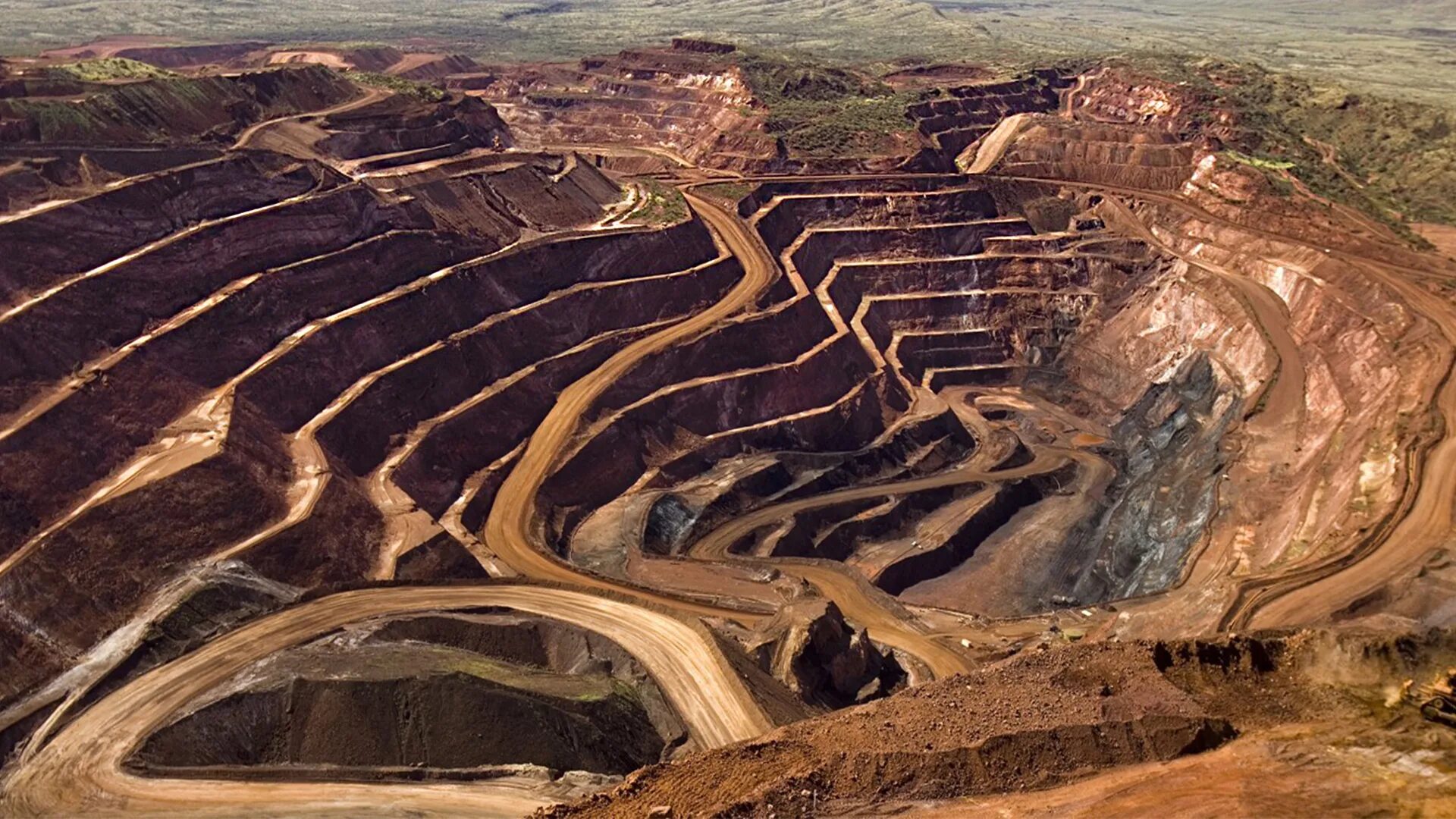
With the mining sector expanding beyond small-scale marble and limestone operations, major projects like Reko Diq are opening up opportunities. Companies are now eyeing large-scale iron, copper, gold and rare earth minerals, including lithium in Gilgit-Baltistan and Balochistan. We have secured a small initial civil-works contract for Reko Diq, are engaging other mining groups, and are in discussions with major global explosive manufacturers. They have visited us and admired our facilities.
Regarding mining, we expect to secure a fair share of the explosives supply business. Barrick Gold, for instance, visited our plant and is interested in working with us. This focus on the mining sector is new.
We have established a subsidiary, Biafo Mining, dedicated solely to mining, not only supplying explosives but also partnering with larger groups to gain open-pit mining blasting experience. This is a major recent development.
Our current focus is on exports, targeting the Middle East and Southeast Asia, including Bangladesh. The Middle East is attractive due to its large petroleum sector and ongoing construction projects. We have visited Dubai and Saudi Arabia to explore opportunities, especially with rapid infrastructure growth and projects like NEOM City.
Regarding investment into Pakistan, the explosives and mining sectors are expanding. We welcome joint ventures, particularly with UAE partners. Policies have become more investor-friendly, with improved political stability and confirmed profit repatriation through a dedicated State Bank wing. Although some instability remains in KPK and frontier areas, the overall environment is improving, and Pakistan’s market is open to investors.
Q: Given your entry into new sectors, how do you manage scale and expansion?
AM: Moving toward modernisation, our goal is to produce world-class products at lower costs, as our production expenses are lower than those of many Western companies. With a joint venture, a UAE investor could contribute to market expansion.
We are also developing environmentally friendly explosives. Since the industry involves fumes and emissions, our R&D focuses on reducing environmental impact. Most of our products are now “green explosives.” These advancements, along with strong ties between Pakistan and Middle Eastern countries, make collaboration easier and more appealing to UAE and regional markets.
Q: With net sales up 5% to 2.2 billion rupees and quarterly sales rising 34% to 973 million, what are the main growth drivers and strategies you are prioritising?
AM: One of our main drivers was the success of our exports, which matured over time. Entering a new market, studying it, introducing the company and finally securing orders takes time, but we have achieved that and plan to continue. We now have a dedicated export division.
Another key milestone is our initial contract for the Reko Diq project, one of Pakistan’s largest. With infrastructure projects largely complete and our involvement in major dams, our focus has shifted to expanding in the mining sector. This includes our new subsidiary, aimed at participating in JV’s and directly engaging in mining blasting operations.
Q: How does Biafo approach technological innovation?
AM: For growth, we must keep innovating, offering better, price-competitive and environmentally friendly products. About a year ago, we imported a new Italian shock tube plant used to transmit detonation signals in blasting. It is a modern facility, the first of its kind here, and part of our ongoing modernisation since starting in 1994.
We are also looking into developing liquid-based explosives called emulsion to enable on-site manufacturing for mines, aligning with modern global practices. Currently, explosives are produced in factories and transported by road which is not cost effective and safe, but now the government is revising mining and explosives regulations to permit on-site production. Drafts of these new rules are ready, and meetings with Government are being held to finalise them.
We are aligning Pakistan’s Mines Act and explosives regulations with international standards, particularly Australia’s well-regarded framework. This modernisation will not only enhance safety and efficiency but also attract foreign companies by providing a clear, modern regulatory environment.
Q: How is Biafo integrating environmental sustainability into its manufacturing and product development, and how does this enhance its long-term competitiveness, particularly for UAE investors?
AM: We are modernising our plant with environmentally friendly equipment. The existing facility, purchased in the early 1990s, uses outdated technology, so upgrades are essential despite the associated costs. The addition of the shock tube plant is a step forward. Previously, we used safety fuses that were less competitive and less eco-friendly. Our goal is to develop a modern facility producing safer, traceable explosives.
We are working closely with the relevant authorities to enhance safety and introduce tagging agents, colour additives that trace explosives if misused. These improvements, along with stricter regulations, aim to prevent unlicensed manufacturing and ensure security.
Regarding investment from the UAE, June saw UAE become Pakistan’s largest investor, with USD 62.65 million invested that month. My message to UAE investors and policymakers is that now is the right time to invest in Pakistan. The investment climate is favourable, supported by a large, educated and cost-effective young workforce. Pakistan offers vast potential for development and innovation, including digital transformation and AI adoption, initiatives we are also pursuing at Biafo.
UAE and Pakistan share a strong partnership. Opportunities for co-financing and collaboration are abundant, as seen in successful ventures like PARCO, one of Pakistan’s largest refineries, and the White Oil Pipeline from Karachi Port. With established banking ties and growing industrial cooperation, the UAE can play a key role in Pakistan’s expanding economy.
Q: How have your experience in companies like Tullow Oil, Orient Petroleum, Ocean Pakistan and Canadian Resources shaped your leadership style?
AM: This experience has broadened my vision. Meeting people from diverse sectors, especially in the petroleum industry, provided valuable insights and learning opportunities. As the second Pakistani petroleum professional to lead this association PPEPCA, I worked closely with international companies the Pertoleum Ministry to help improve Pakistan’s petroleum policy and regulations.
These reforms made the sector more investor-friendly and led to a surge of international companies entering Pakistan, even though the country is not a major oil producer. The key is creating regulatory conditions that attract investors, ensuring stability, economic opportunity and clear, supportive rules rather than deterrents.
Such forums are invaluable; they expand perspectives, build connections with experienced professionals and provide lessons that help guide future direction.