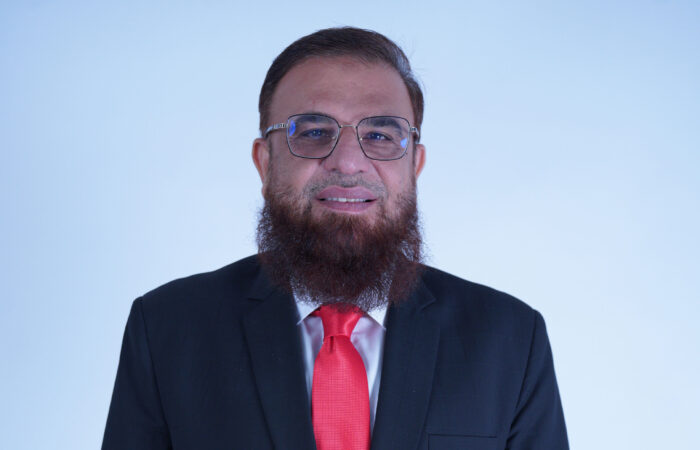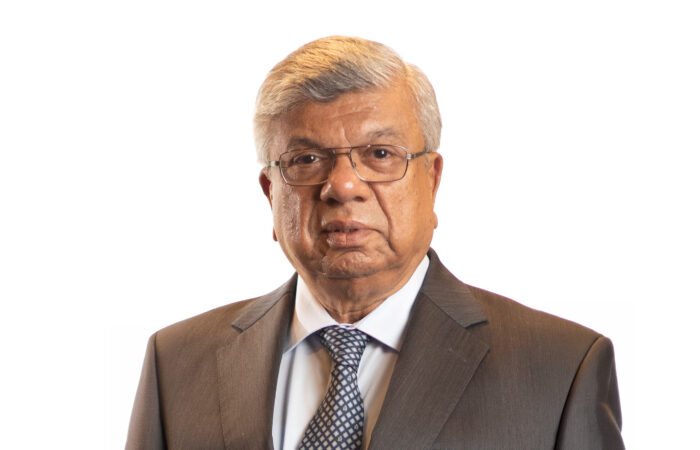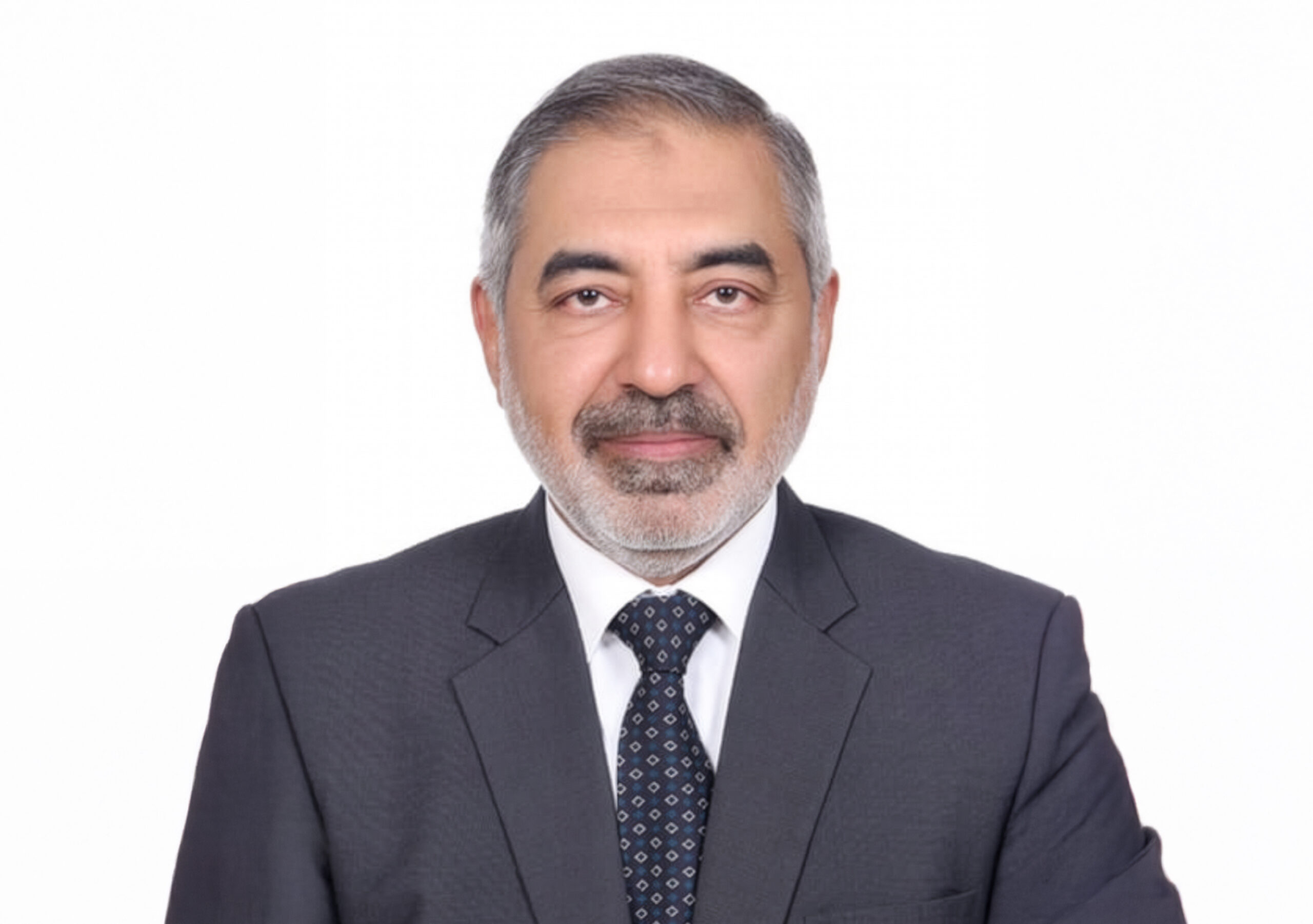

Handling 51% of Pakistan’s seaborne trade across 18 berths, Port Qasim Authority has become a cornerstone of the country’s industrial and energy ecosystem. The mandate is macroeconomic in scope. Pakistan has set a national ambition: to become a $1 trillion economy, in which ports will contribute significantly.
Read the exclusive interview below.
Q: How did you approach assessing Port Qasim when you took office?
Syed Moazzam Ilyas (SMI): When I arrived, my first task was to study this ecosystem. In many areas, efficiency can be improved with modern technology and updated practices. But often, it is not just about equipment; it is about removing intangible obstacles like bureaucracy and red tape. So I have tried to reduce bottlenecks to the minimum and raise efficiency to the maximum.
Port Qasim has distinct advantages over Pakistan’s other ports, thanks to its location. We are connected to both road and rail networks, which makes the movement of cargo easier. But there are also challenges: our navigation channel is long and requires continuous dredging, and we need to increase the number of berths. These are priorities on my agenda.
Overall, I see tremendous potential here. The port is already strong, but it can be developed much further. That is the task I have set myself for the future.
Q: At present, you handle 51% of Pakistan’s seaborne trade. How do you manage scale while planning for capacity expansion?
SMI: About 15 to 20 years ago, a master plan was developed, and step by step that plan was executed. It brought in investment, built new terminals and specialised facilities.
Today, Port Qasim has 18 berths. Some are container terminals; others handle dry cargo or liquid cargo. Thanks to these facilities, we manage more than half of Pakistan’s sea trade. But capacity is being stretched, we are already at around 75%.
I want to build on our strengths without undermining other ports. Karachi Port is nearby, and instead of competing, I believe in cooperation. Each port can play to its advantages. For Port Qasim, energy has become our specialty. We are the hub for energy imports, especially LNG and coal. We already have berths for these commodities, and we are planning more. Over the next four to five years, we will expand facilities significantly.
So the values I emphasise are continuity, efficiency and cooperation. By focusing on these, Port Qasim will contribute even more strongly to Pakistan’s economic growth.
Q: How do you position Port Qasim within Pakistan’s port system and the wider region?
SMI: Our aim is not to enter into head-to-head competition, but rather to position ourselves differently. We want to become highly efficient in handling cargo, with smooth, transparent processes. For example, Pakistan is rolling out the Pakistan Single Window system. Phase II will soon be inaugurated by the Prime Minister. Once operational, importers and exporters will be able to process everything through a single digital window. That kind of reform will transform efficiency and increase cargo volumes many times over.
Another advantage is Pakistan’s location in relation to the Central Asian republics. These countries are landlocked and need reliable access to warm waters. Port Qasim — and Pakistan in general — can be their outlet. We already handle some of this trade, but the potential is far larger. Developing Port Qasim as the natural gateway for Central Asia is one of my priorities.
We focus on efficiency, transparency and positioning ourselves as a vital link for regional trade, especially for landlocked neighbours.
Q: What regulatory reforms have you introduced to lower costs and stimulate volumes?
SMI: We reduced export tariffs by about 50%. This aligns with the government’s economic agenda. The Prime Minister wants Pakistan’s economy to grow at over 4% annually. For that to happen, exports must rise. Our role is to make exports more competitive, and lowering tariffs is one way of doing it.
This was not just a Port Qasim initiative: other ports have also reduced charges. Together, these steps will strengthen Pakistan’s foreign exchange earnings and benefit the export community. For Port Qasim itself, it means more cargo will pass through, increasing our volumes and revenues in the long run.
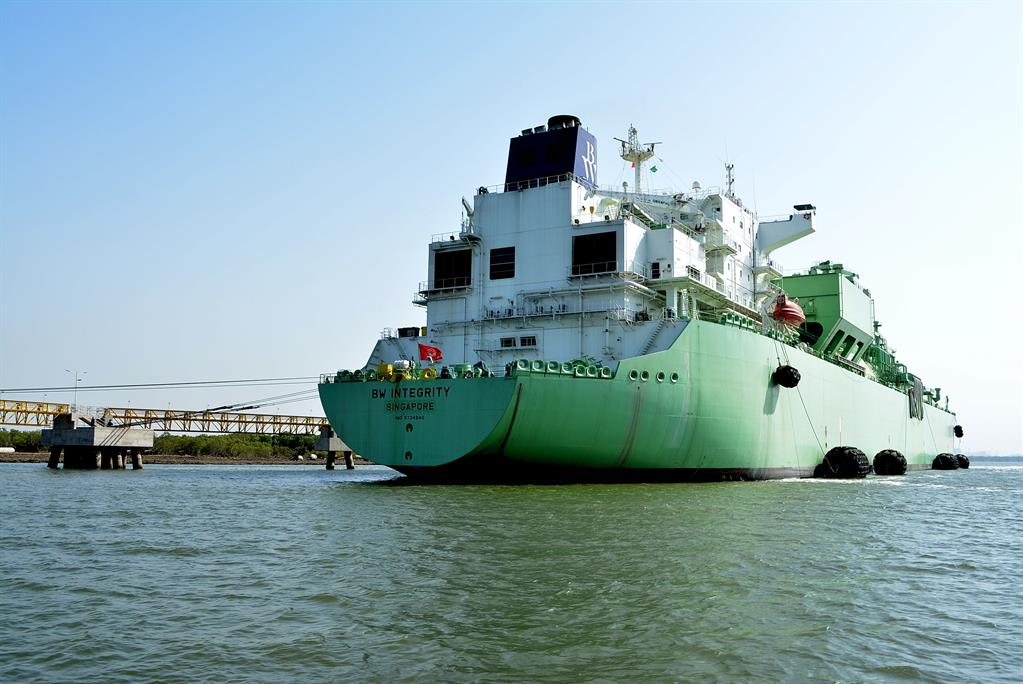
We also took a similar step with LNG. From July 1st, we reduced LNG handling charges by about 15%. Since Port Qasim is the only LNG-handling port in Pakistan, this move has already begun to attract more LNG carriers. Increasing LNG volumes strengthens both our port and the national energy supply.
So, our regulatory vision is clear: remove barriers, reduce costs where possible and make the port attractive to exporters and importers alike.
Q: Beyond current projects with DP World, where do you see the most compelling opportunities for UAE investors at Port Qasim?
SMI: Pakistan has set a national ambition: to become a $1 trillion economy within the next 15 to 20 years. To achieve this, efficiency at our ports is critical.
For UAE investors, Port Qasim offers unique advantages. Right next to the port lies our industrial zone, covering about 6,000 hectares. Here, industries can be established with direct access to raw materials and export routes. Goods can arrive, be processed immediately, and shipped out without delay. This saves time and cost and makes operations highly competitive.
We also have plans to deepen our channel, so that larger vessels can enter. Larger ships mean larger volumes and greater efficiency. Alongside this, we are digitising our operations — introducing ERP systems, modern vessel traffic management and the single-window system.
We are also planning new maritime infrastructure: multipurpose berths, oil terminals and LNG terminals. These projects are open to international investors, and UAE companies are very welcome.
Q: How are you balancing development with sustainability?
SMI: The mangroves are one of Pakistan’s greatest treasures. They are ranked sixth or seventh largest in the world and play a vital role as carbon sinks. At Port Qasim, we follow a strict policy: for every mangrove tree cut, we plant ten more. Now, I plan to increase that to fifteen. Over time, we have planted thousands of new mangroves, with support from international donors and local companies who are interested in earning carbon credits.
But it is not only about trees. We are preparing to make Port Qasim a model green port. That means offering shore-based power so ships can turn off their engines and reduce emissions. It means converting much of our own fleet to electric vehicles. It means improving traffic management inside the port to reduce idling and emissions.
Sustainability is not separate from growth — the two must go hand in hand. A port that is environmentally responsible will also be more attractive to global investors and partners.
Q: Why should investors look into Pakistan?
SMI: The government has laid down a strong reform agenda. Tax collection is being strengthened, new legislation is in place and special economic zones are being developed along the coast.
At Port Qasim, we are cooperating with DP World to establish a coastal economic zone. This will attract industries that want to be close to Pakistan’s main trade gateways. Ports provide the ecosystem in which economic growth becomes possible. They generate revenues, facilitate exports and support industries. With our planned projects, Port Qasim will contribute significantly to national revenues and to economic prosperity.
So my message to Gulf investors is simple: Pakistan is serious about reform, and Port Qasim is ready to play its part. Together, we can create opportunities that benefit both sides.
Q: You have over four decades of leadership in the Navy, defence, education and infrastructure projects. How has this shaped your leadership approach?
SMI: My naval career taught me discipline, teamwork and resilience. I had excellent mentors and the opportunity to work with international forces, which exposed me to different styles of leadership and operations.
In the corporate world, the challenges are different. Here, you must manage not only your own team, but also complex external forces — economic, political and commercial. It is a world full of variables, many of them beyond your control. What I have learned is the importance of teamwork and perseverance, but also of calculated risk-taking. The bigger the risk, the bigger the potential reward — provided it is calculated wisely.
At Port Qasim, I lead a forward-looking team that keeps a close eye on global maritime trends and adapts accordingly. We cannot afford to stand still. Together, we are steering the port into uncharted waters with confidence and determination.
Q: How do you approach challenges in your tenure?
SMI: Every leader faces challenges. Some are internal, like bureaucracy and regulation. Others are external, like market forces and competition. But I believe every challenge is also an opportunity.
For me, it comes down to attitude. As a sailor, I know that when a storm comes, you cannot avoid it — you must face it head-on and ride it out. That is how I see my role at Port Qasim. With the support of my team and the blessings of Almighty Allah, I am confident we will emerge stronger, no matter how rough the seas.