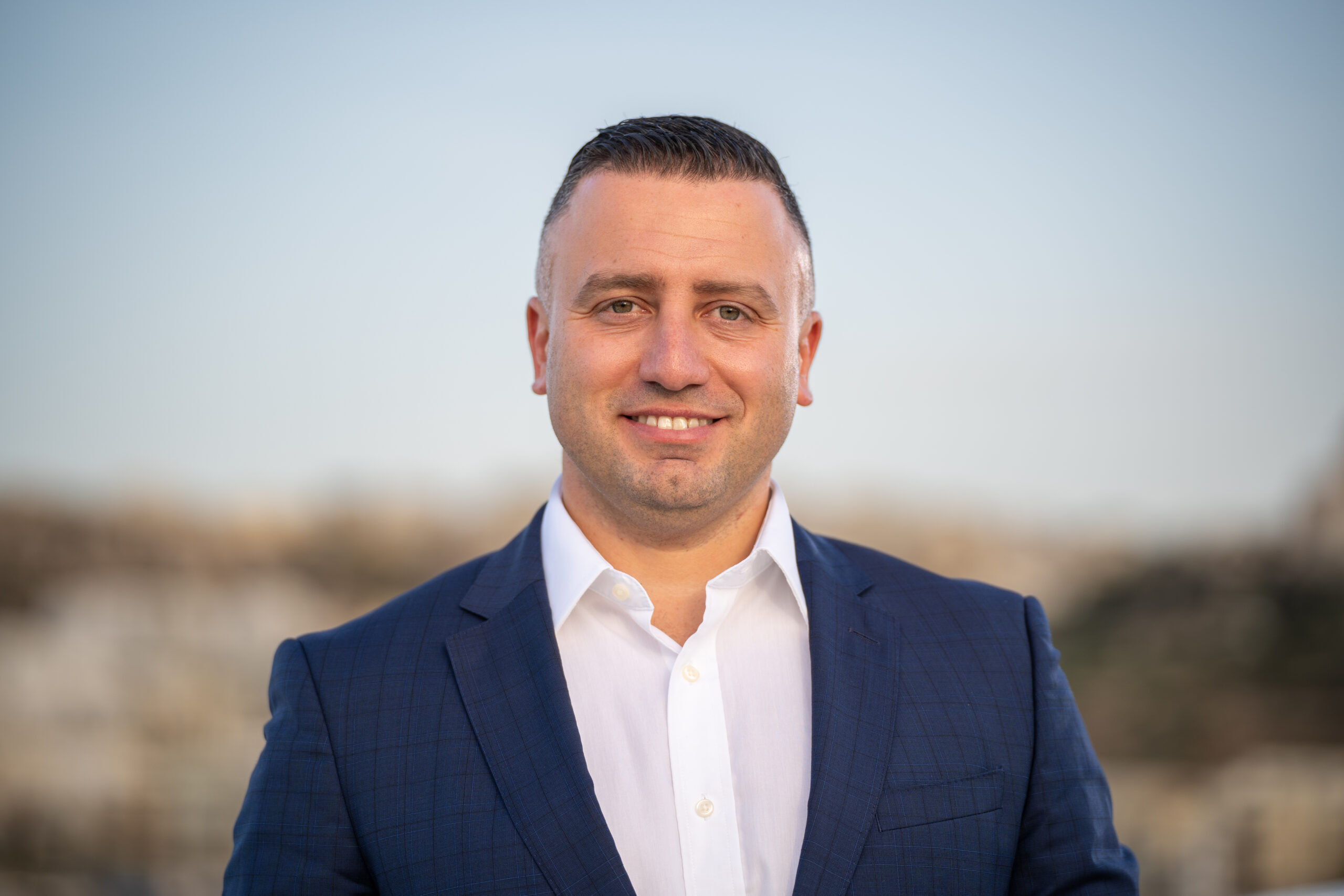

Malta’s Mediterranean climate has long held allure for tourists, making the industry one of the economy’s most prominent. Now, a new push to diversify the sector is bearing fruit, with record numbers visiting in 2023. Here, Minister of Tourism and Public Cleanliness Clayton Bartolo discusses how Malta’s tourism evolution is taking shape.
Despite economic pressures causing holidaymakers to tighten their belts, Malta’s tourist industry is thriving. A focus on quality, connectivity and showcasing the cultural, gastronomic and historic experiences on offer has seen visitor numbers swell, affirming the success of the government’s plan – one designed to ensure the benefits of this buoyant sector are felt right across the nation.
Q: How has Malta’s tourism strategy evolved under your leadership?
I was appointed tourism minister during the pandemic, so the first priority was the recovery plan for Malta and Gozo, and then we came up with a strategy for the next 10 years as well. It was based on three pillars: recover, rethink and revitalise.
We wanted to start rethinking our tourism product and look at achieving quality, but not at the expense of quantity. In previous years, there has been a debate about whether we should go for quality or for quantity. I believe that they go together.
We need a certain number of tourists to visit us, the critical mass required to sustain the level of investment that has been made over the years. But we also need to make sure that we are attracting the right type of tourist – one who spends more than in previous years and who comes to Malta based on the experience, not because it is a cheap destination.
Through this small change, we have seen an increase, for example, in hotel rates. Even though the flight prices are not cheap to come to Malta, we are still achieving a high seat load factor. That means that people really and truly want to come here. Even though there are challenges internationally, especially around inflation, people are still choosing Malta as their destination.
Part of our motto is that we want people to come here as tourists and leave as locals. We want them to experience not only Valletta but our localities too. All of this ties in with our strategy to ensure that tourism flows reach all parts of Malta.
Q: What is the ministry’s long-term plan?
Before the pandemic, our best year in tourism was 2019, when we had 2.7 million tourists. 2023 was our record year: three million arrivals, with a spend of 2.7 billion euros in our economy. So that, for us, is a significant achievement.
Now we are investing more to attract higher-spending tourists so that the local population can really feel the benefits of tourism – rather than just going for numbers. What we want to achieve is that, if we have three million tourists, we are replacing tourists from the bottom end with ones at the higher end. That way we are changing the profile of the tourist. We are changing direction slowly to make sure that we achieve our target.
As a result of this strategy, we are seeing more brands choosing Malta to set up their hotels and restaurants. We have Michelin-starred restaurants now in Malta. We have our first two-star restaurants and several Michelin-starred establishments. At the other end of the spectrum, we have family-run restaurants that are smaller but provide value for money – which is very important for us. It’s about offering a better experience and knowing that people are willing to pay to come and enjoy that experience.
Q: How are you boosting Malta’s appeal for German tourists?
The first and most important thing was connectivity. Given the fact that 99% of tourists who come to Malta arrive by plane, connectivity is paramount. That is why we are making sure that Malta is not only well connected to Germany but to other places in Europe too. We are also looking at countries in the long-haul market as well.
Currently, connectivity with Germany is very strong – people who want to visit Malta have multiple options. We are also focusing on the MICE segment: meetings, incentives, conferences and events; there is a lot of interest from the German markets to come and hold their events here in Malta. We invest a lot in marketing within the German market to make sure that Malta remains attractive and that we do get our share of Germans who choose Malta as their destination.
Q: Which other sectors should investors take note of?
There are many areas for consideration, such as financial services, one of the major economic pillars we have. We have gaming as well, which is very much an up-and-coming sector, and I would also highlight the film industry, which also falls under my remit. The trailer for Gladiator 2 was recently released, and that was shot all over Malta. Now we are starting another production, for the Jurassic World franchise.
Q: Why should Die Welt’s readers choose Malta for their next vacation?
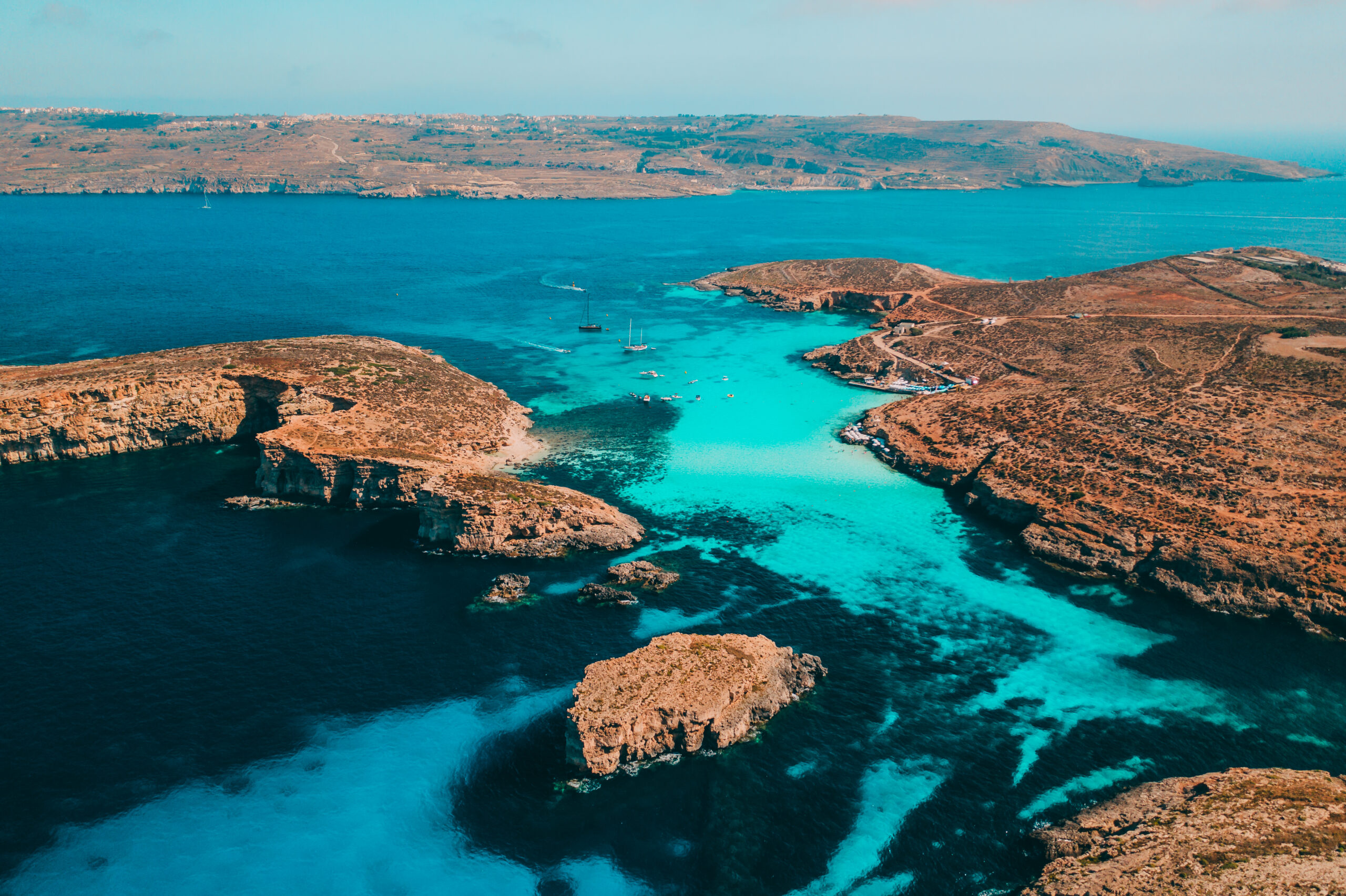
Malta is a beautiful place to be. Whether one wants to come for a short city break, for a holiday, or with family or friends, whether you prefer to relax or to enjoy our nightlife, our restaurants, or our culture and history, Malta can truly offer it all.
We have been working hard on developing several niches within the tourism industry, including sports tourism, military tourism, and now faith tourism and the gastronomic aspect. So, whether one is a tourist or an investor, there is a lot to do here.
Malta has been hosting people for a thousand years or more, so for us, tourism is part of our lifestyle. It is not simply a way of working, it’s a way of life for us. Our tourism industry is making great strides towards quality and ensuring that we that we continue to build on our past successes.